Have you ever considered the idea of bringing the farm directly to your living space? Growing vegetables indoors can not only provide you with fresh produce year-round but also enhance the aesthetic of your home. Let’s embark on a detailed journey into the world of indoor vegetable gardening, ensuring you have all the tools and knowledge needed to cultivate a thriving indoor oasis.
Why Grow Vegetables Indoors?
Growing your own vegetables indoors is incredibly rewarding. You’ll find that it offers numerous benefits, such as ensuring you have access to fresh, organic produce, saving money on groceries, and even providing you with a satisfying hobby. Indoor gardening also helps improve air quality and can be a great stress reliever, offering you a sense of accomplishment and connection with nature.
Benefits of Indoor Gardening
There are several advantages to growing vegetables indoors:
- Year-Round Availability: No matter the season outside, you’ll have the ability to grow vegetables during winter months.
- Space-Saving: If outdoor space is limited, indoor gardening allows you to make use of your windowsills, countertops, and other small areas.
- Pest and Disease Control: Growing indoors usually means fewer pests and diseases compared to outdoor gardens.
- Control Over Environment: You regulate temperature, humidity, and light, creating the best possible environment for your plants.
Getting Started: Supplies You’ll Need
Before you begin your indoor gardening journey, it’s important to gather the necessary supplies. Here’s a list to help you get organized:
| Item | Purpose |
|---|---|
| Containers | To hold your plants and soil |
| Potting Soil | Provides nutrients and good drainage |
| Seeds or Seedlings | The source of your future vegetables |
| Grow Lights | To supplement natural light |
| Watering Can | For easy and precise watering |
| Fertilizer | To give your plants the nutrients they need |
| Gardening Tools | Basic tools like trowels and scissors |
Choosing the Right Containers
Your choice of container will significantly impact plant growth. Ensure each container has drainage holes to prevent waterlogging, which can harm the roots. You can opt for anything from traditional pots to repurposed containers, as long as they meet the basic requirements.
Selecting the Right Soil
Using high-quality potting soil is critical. Unlike garden soil, which can be too dense for container gardening, potting soil is designed to provide proper aeration and drainage. You might want to look for a mix that includes organic matter, perlite, and peat moss.
Optimal Locations for Indoor Vegetable Gardening
Finding the right spot in your home for vegetable gardening is crucial. Ideally, you want a location that gets plenty of sunlight. Here are some common areas to consider:
Windowsills
A sunny windowsill can be a great place for growing herbs and small vegetable plants. Ideally, it should receive at least six hours of sunlight daily.
Countertops
If you have kitchen countertops near a window, they can serve as excellent spots for containers or small hydroponic systems.
Dedicated Grow Room
For serious indoor gardeners, setting up a dedicated room or space with grow lights provides consistent conditions for plant growth. A grow tent can also be an efficient way to create a controlled environment.
Light Requirements for Indoor Vegetables
Light is one of the most critical factors in growing vegetables. While natural sunlight is wonderful, it may not always be sufficient, especially during winter or in less sunny locations.
Sunlight
Most vegetables need at least six to eight hours of direct sunlight each day. South-facing windows are typically the brightest spots in your home.
Grow Lights
If natural light is insufficient, you can supplement it with grow lights. These artificial lights come in several types which can cater to different growth stages:
| Grow Light Type | Description |
|---|---|
| LED Grow Lights | Energy-efficient; suitable for all growth stages. |
| Fluorescent Lights | Good for seedlings; provide adequate light for small spaces. |
| HID Grow Lights | High intensity; often used in larger setups for maximum yield. |
Choosing the Right Vegetables to Grow
Not all vegetables thrive indoors, so you’ll want to choose the right ones. Here are some great options that typically do well in indoor environments:
Leafy Greens
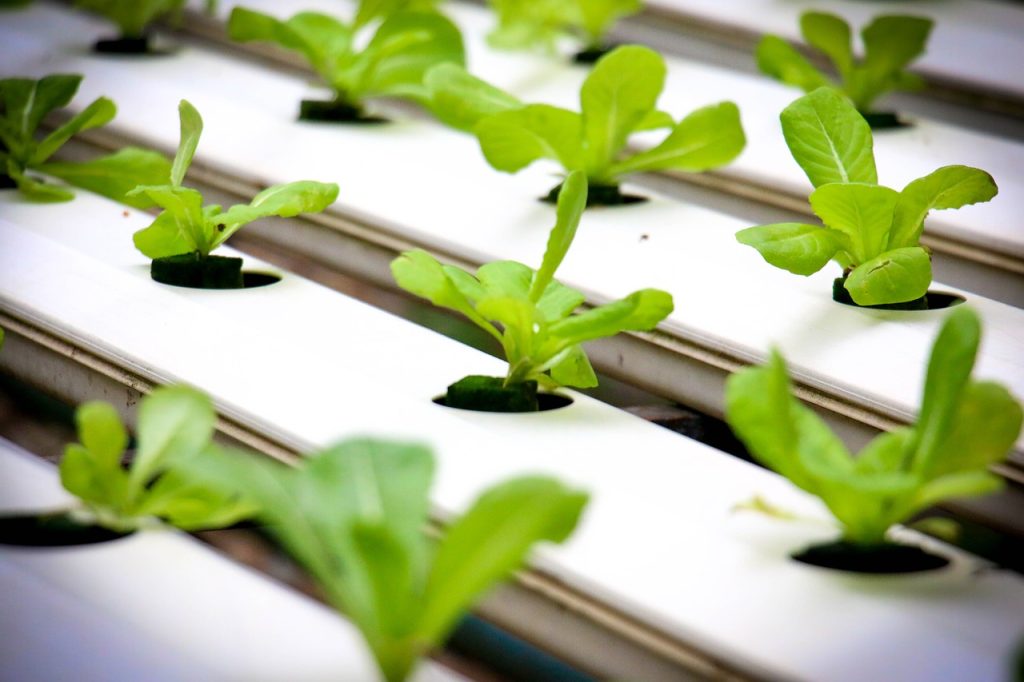
- Lettuce: Grows quickly and can tolerate lower light.
- Spinach: Thrives in cooler temperatures and needs minimal space.
Herbs
- Basil: A popular herb that flourishes indoors.
- Chives: Easy to grow, adding a fresh flavor to meals.
Small Vegetables
- Radishes: Fast-growing and don’t require large pots.
- Cherry Tomatoes: Compact varieties can do well in containers with enough light.
Step-by-Step Guide to Growing Vegetables Indoors
Now that you have the basics down let’s go through a step-by-step guide to setting up your indoor vegetable garden.
1. Plan Your Garden Layout
Before you start planting, consider what vegetables you want to grow and how much space you have available. Sketch a layout to visualize where each container will go.
2. Prepare Your Containers
- Ensure each container has drainage holes.
- Fill the containers with potting soil, leaving about an inch of space from the top.
3. Planting Seeds or Seedlings
- Seeds: Follow the instructions on the seed packets for planting depth.
- Seedlings: Gently separate them and plant them at the same depth as they were in their original containers.
4. Watering
After planting, give your seeds and seedlings a gentle watering. Allow excess water to drain out. An important tip is to let the topsoil dry out slightly between waterings – overwatering can lead to root rot.
5. Provide Adequate Light
Set your grow lights to illuminate the plants for 12-16 hours daily, positioning them about six inches above your plants.
6. Fertilizing
After a few weeks, start to fertilize your plants with a balanced, water-soluble fertilizer. Remember to follow the instructions on the fertilizer package to avoid over-fertilization.
7. Monitor Growth
Keep an eye on your plants as they grow, checking for signs of pests or nutrient deficiency. If you notice yellowing leaves, it may be time to adjust your watering or fertilizing routine.
Common Indoor Gardening Challenges
Even though growing vegetables indoors can be a joyful experience, sometimes challenges arise. Here are a few issues you might encounter and how to tackle them.
Pests
Indoor plants can still attract pests like aphids or spider mites. Check your plants regularly and consider using neem oil or insecticidal soap if you find an infestation.
Disease
Fungal diseases may occur due to excess moisture. Ensure there’s good air circulation around your plants and water at the base rather than from above to minimize the risk.
Low Light
If your plants begin to stretch towards the light (a sign they’re not getting enough), consider adjusting the position of your grow lights or supplementing with additional lights.
Harvesting Your Indoor Vegetables
Once your plants start producing, the excitement truly begins! Knowing when and how to harvest is equally important to ensure a continuous yield.
Timing Your Harvest
Each type of vegetable has its own ideal harvest time. For leafy greens, you can begin harvesting once they are big enough to eat, cutting only what you need. For root vegetables like radishes, check the size before pulling them up, usually between three to four weeks after planting.
Techniques
- Gentle Hand: Use scissors for cutting greens to avoid damaging the plant.
- Pulling Roots: For root vegetables, grip the base and pull gently, loosening the soil if necessary.
Maintaining Your Indoor Garden
Regular maintenance is key to a successful indoor vegetable garden. Take a few moments each week to check on your plants, provide water, and prune any dead leaves.
Cleaning Regularly
Keep your plant area clean by removing debris and dead leaves, which can attract pests and diseases.
Rotate Crops
Every few months, consider rotating the types of vegetables you’re growing. This practice can help reduce disease risk and keep your soil healthy.
Expanding Your Indoor Gardening Skills
As you gain experience, you may want to broaden your indoor gardening skills. Here are some tips to help you level up:
Experiment with Hydroponics
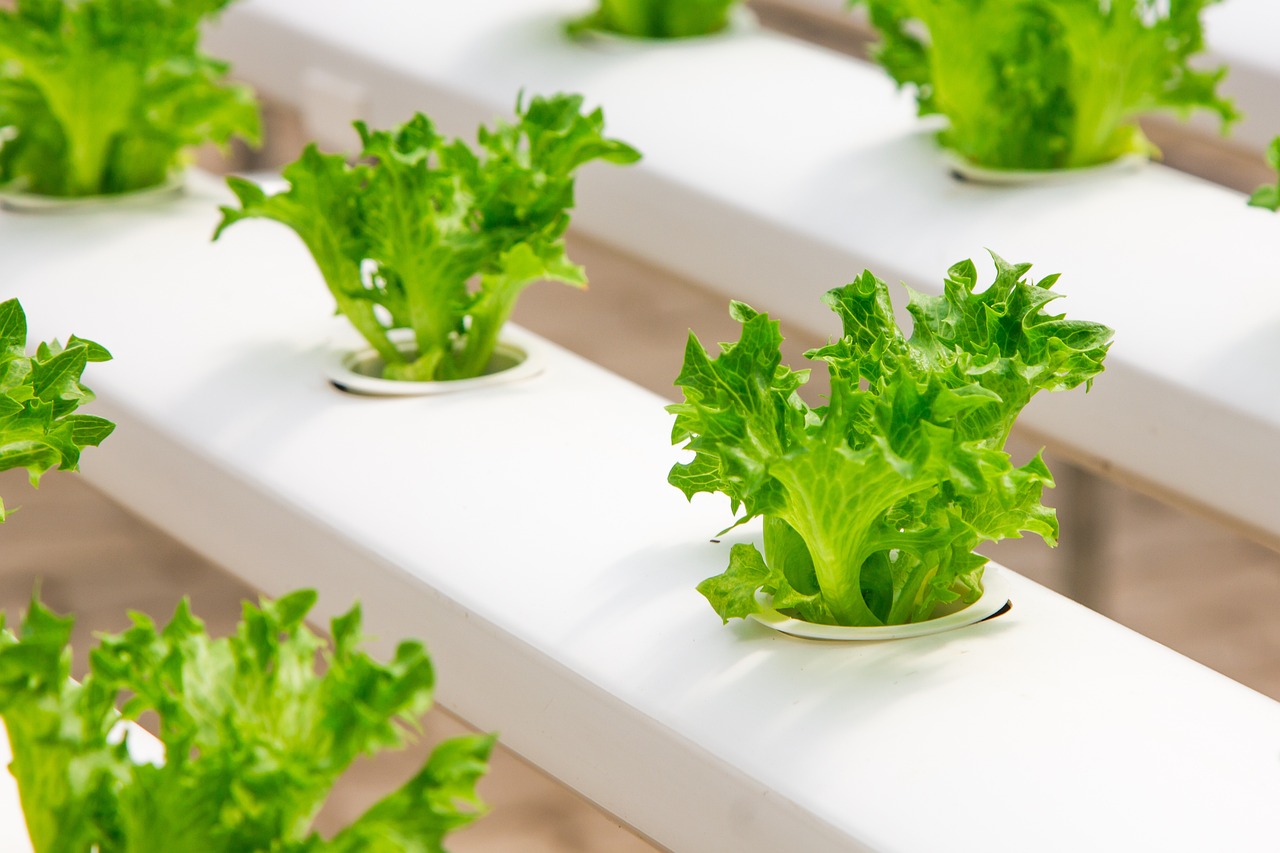
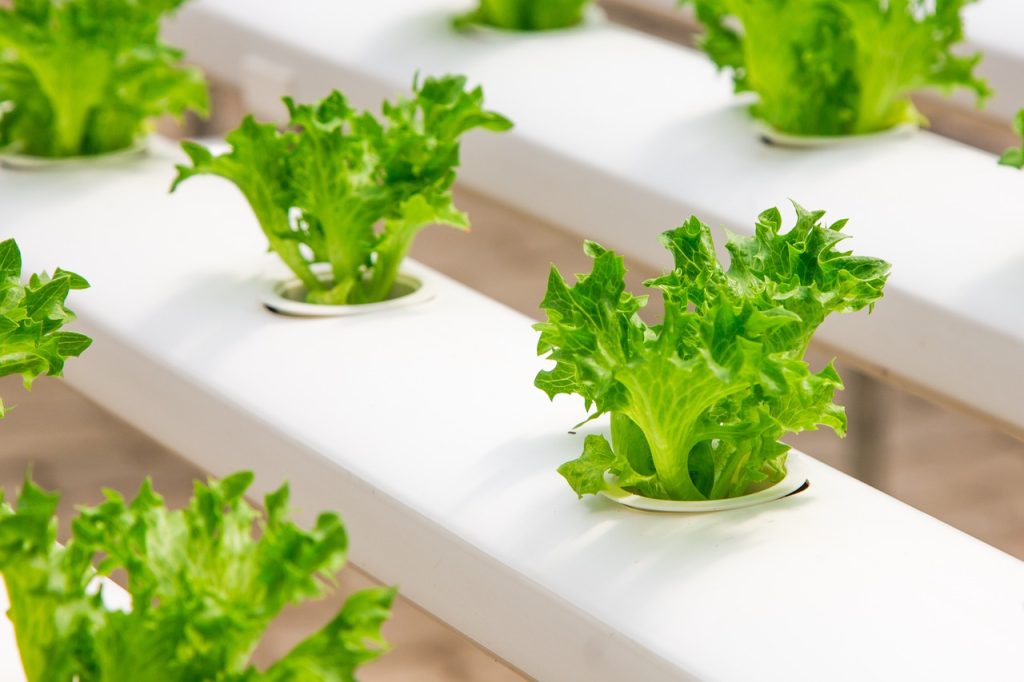
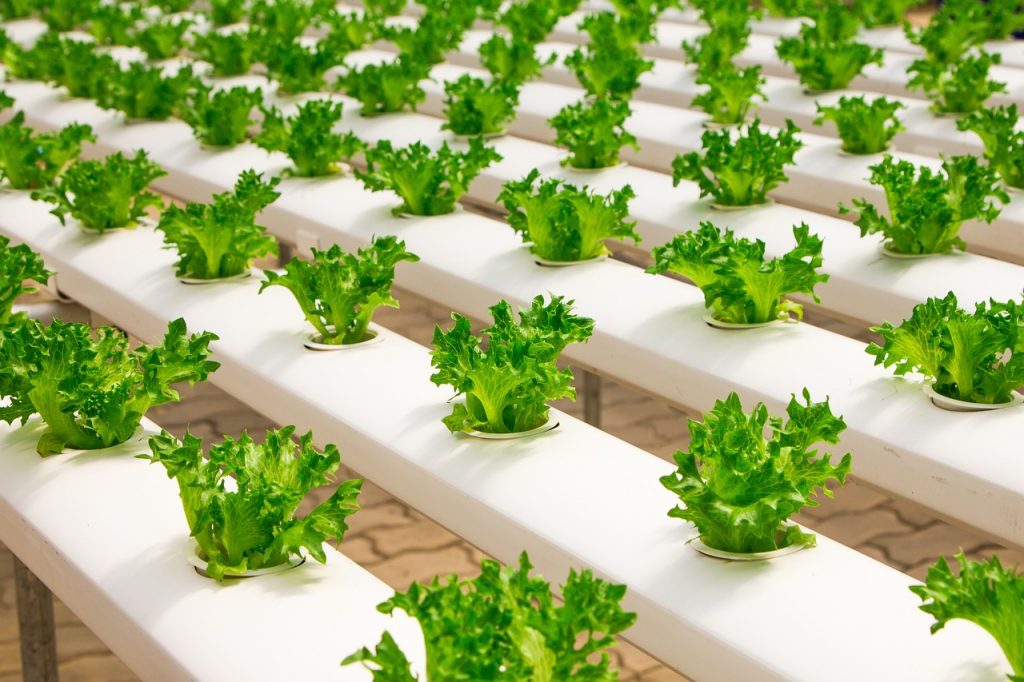
Hydroponic systems allow you to grow vegetables without soil. They use nutrient-rich water instead, potentially resulting in faster growth rates and larger yields.
Learn About Companion Planting
Certain plants can benefit from growing together. For instance, basil and tomatoes do well together, and you can use concepts of companion planting to improve yields and deter pests.
Enjoying the Fruits of Your Labor
Finally, always take time to appreciate your indoor garden. Enjoy the fresh flavors that come from growing your own vegetables, and consider sharing your harvest with friends and family.
Growing vegetables indoors may seem daunting at first, but with a little dedication and the right knowledge, it can be a fun and fruitful endeavor. Whether you’re a beginner or looking to sharpen your green thumb, you now have the foundation to cultivate a thriving indoor vegetable garden. Happy gardening!