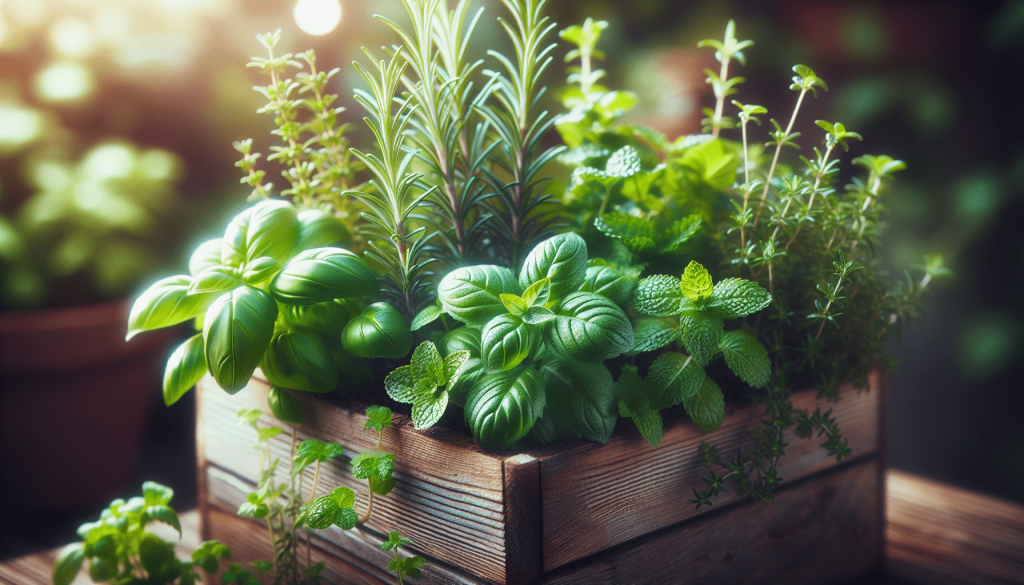
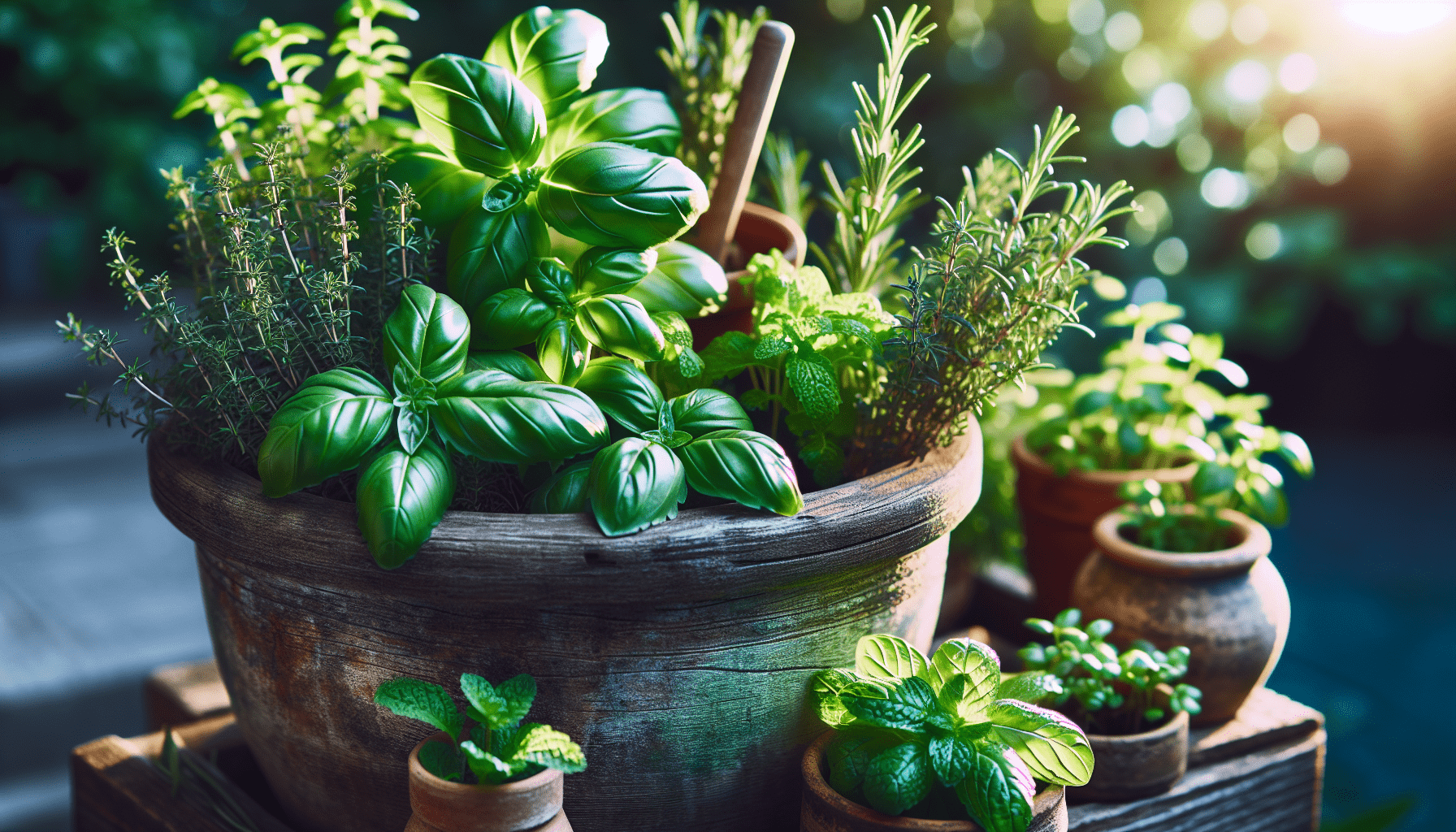
Have you ever thought about transforming your kitchen into a fragrant herb garden? Growing herbs at home can be a rewarding experience that adds flavor to your meals and a touch of greenery to your living space. Let’s get started on this journey together!
Why Grow Herbs at Home?
Growing your own herbs comes with a plethora of benefits. You not only enjoy fresh flavors in your dishes, but you also gain access to numerous health benefits, and it’s a wonderful way to reconnect with nature.
Freshness at Your Fingertips
There’s nothing quite like the taste of fresh herbs in your cooking. Imagine being able to snip a few leaves right from your pantry or garden whenever a recipe calls for them! Fresh herbs enhance flavors and provide an aroma that dried herbs simply cannot match.
Health Benefits
Herbs like basil, parsley, and thyme are packed with essential vitamins and antioxidants. Incorporating fresh herbs into your diet can contribute to a healthier lifestyle.
Stress Relief and Satisfaction
Gardening, even on a small scale, can be therapeutic. Tending to your plants provides a sense of responsibility and achievement. Additionally, the act of nurturing something can reduce stress and promote mindfulness.
Choosing the Right Herbs
Selecting the right herbs for your culinary adventures is the first step. Not all herbs are created equal in terms of flavor, growth needs, and practical use in the kitchen.
Popular Herbs to Grow at Home
Here’s a brief look at some of the most popular herbs you might consider growing:
| Herb | Flavor Profile | Common Uses | Growth Requirements |
|---|---|---|---|
| Basil | Sweet, slightly spicy | Pesto, salads, sauces | Warm, sunny spot |
| Parsley | Fresh, mild | Garnish, salads, soups | Moderate sunlight |
| Cilantro | Citrusy, slightly peppery | Salsas, salads, curries | Warm, well-drained soil |
| Rosemary | Pine-like, fragrant | Roasting, marinades | Full sun, drought-resistant |
| Thyme | Earthy, slightly minty | Soups, meats, vegetables | Well-drained soil, full sun |
Consider Your Cooking Habits
Before you choose, think about your culinary needs. Do you enjoy Italian dishes? Basil and oregano might be your best bets. If you lean towards Asian cuisine, cilantro and lemongrass could be ideal.
Where to Grow Your Herbs
Determining the right location for your herb garden is crucial. Whether you have ample outdoor space or just a sunny windowsill, you can make it work.
Outdoor Options
If you have a backyard or balcony, consider the following:
- Garden Bed: Create a dedicated garden bed for herbs. This allows you more space to grow a variety of herbs together.
- Pots and Containers: If you lack space, pots can be placed on patios or steps. They are portable, allowing you to move them to catch the best sunlight.
Indoor Growing
Indoor herb gardening is becoming increasingly popular, especially for those with limited outdoor space.
- Windowsill Garden: A sunny windowsill can be an ideal spot for growing herbs. Most herbs require at least 6-8 hours of sunlight daily.
- Hydroponics: Consider hydroponic systems for a soil-less approach. These systems are smart and efficient, allowing herbs to flourish indoors.
Preparing for Planting
Before getting your hands dirty, take a moment to prepare. This stage sets the foundation for healthy herb growth.
Choosing the Right Soil
Selecting quality potting soil is important. Look for organic potting mixes that are well-draining and nutrient-rich. You can also consider creating your own mix with:
- 1 part compost
- 1 part peat moss or coconut coir
- 1 part perlite or vermiculite
Setting Up Containers
If you’re using pots, make sure they have drainage holes at the bottom. This prevents overwatering and allows excess moisture to escape.
Planting Your Herbs
When the time comes to plant, take it slow and enjoy the process! There are two main methods for starting your herb garden: sowing seeds and planting seedlings.
Growing from Seeds
If you decide to start from seeds, follow these steps:
- Soak Seeds: Consider soaking seeds in water for a few hours to help germination.
- Fill Pots: Fill your seedling trays or pots with the prepared potting mix.
- Sow: Plant seeds according to package directions, generally about 2-3 times deeper than their size.
- Water Gently: Water the seeds gently to keep the soil moist but not soaked.
Using Seedlings
If you prefer a head-start, purchasing seedlings is a great option. Here’s what to do:
- Select Healthy Plants: Look for strong, vibrant seedlings without flowers or yellowing leaves.
- Transplant: Carefully remove seedlings from their containers and plant them in your prepared pots.
- Water: Make sure to give them a generous drink after transplanting.
Caring for Your Herbs
Once your herbs are planted, they need care to thrive. This involves regular attention to their hydration, sunlight, and feeding needs.
Watering Your Herbs
The amount of water your herbs need depends on their type and growing conditions.
- Check Moisture: Stick your finger into the soil; if it’s dry an inch down, it’s time to water. Herbs generally prefer to dry out a little between waterings.
- Avoid Overwatering: Overwatering can lead to root rot, so ensure the soil drains well.
Light Requirements
Ensure your herbs receive adequate light, as this is crucial for their growth.
- Outdoor Herbs: Aim for 6-8 hours of sunlight. Be mindful of any shading from trees or buildings.
- Indoor Herbs: Rotate pots weekly to ensure even exposure to light.
Fertilizing
Using a balanced fertilizer can provide your herbs with essential nutrients. Here’s a simple routine:
- Frequency: Fertilize once a month during the growing season (spring and summer).
- Type: Choose a diluted liquid fertilizer or an organic option, like fish emulsion or compost tea.
Pruning and Harvesting Your Herbs
One of the best parts of growing herbs is the ability to harvest them for your meals. Regular pruning encourages new growth and a fuller plant.
When to Harvest
Generally, you can start harvesting herbs when they’re about 6 inches tall. However, the timing can vary:
- Basils: Wait until the plant has produced several sets of leaves.
- Cilantro: Harvest once the plant reaches around 8 inches tall.
How to Prune
To harvest, follow these tips:
- Use Clean Scissors: Make sure to use clean shears to prevent disease from spreading.
- Cut Above Nodes: Cut stems above a leaf node to encourage new growth. Aim to take one-third of the plant at a time.
Common Pest and Disease Issues
Even the best gardeners encounter pests and diseases. Being observant helps you catch these issues early.
Identifying Pests
Common garden pests include:
- Aphids: Small and often found on the underside of leaves; they suck the sap of the plant.
- Spider Mites: Tiny and often difficult to see, look for webbing on your plants.
- Whiteflies: Small, white, moth-like insects that can cluster on the underside of leaves.
Treatment Options
If you notice pests, take action immediately:
- Soap Spray: A mixture of water and mild soap can help control aphids and mites.
- Neem Oil: This organic pesticide is effective against various pests.
Disease Management
Diseases such as powdery mildew or root rot can occur if the environmental conditions aren’t optimal.
- Powdery Mildew: This white fungal growth can often be treated with a mixture of water and baking soda.
- Root Rot: To prevent this, ensure proper drainage, and do not overwater.
Keeping Your Herb Garden Thriving Year-Round
Herbs can be grown year-round with proper care and planning, especially if you use both indoor and outdoor spaces effectively.
Transitioning Outdoors to Indoors
If you want to grow herbs indoors during the winter months, consider these steps:
- Repotting: Move herbs indoors when temperatures drop, especially those that can’t tolerate frost, like basil and rosemary.
- Lighting: You might need to supplement natural light with grow lights to ensure they get enough.
Preserving Your Herbs
If you find yourself with more herbs than you can use, preservation is key! Here are some methods to try:
- Drying: Tie herbs in small bundles and hang them upside down in a cool, dark, well-ventilated area.
- Freezing: Chop herbs and mix them with olive oil in ice cube trays. Once frozen, store the cubes in a plastic bag in the freezer.
Cooking with Your Harvest
Finally, the best way to celebrate your successful herb garden is by incorporating your fresh herbs into your dishes:
- Flavor Boost: Use fresh herbs in dressings, marinades, and sauces to elevate your meals.
- Garnish: Fresh herbs such as parsley or cilantro can brighten any dish when used as a garnish.
Conclusion
Starting a herb garden at home is both fun and fulfilling. Whether you choose to grow in pots on your window sill or create a dedicated garden bed outside, the rewards are immense. From enhancing your meals with fresh flavors to enjoying the therapeutic benefits of gardening, you truly can’t go wrong.
So, what herbs will you grow first? Embrace the freshness, and start cultivating your little green paradise!