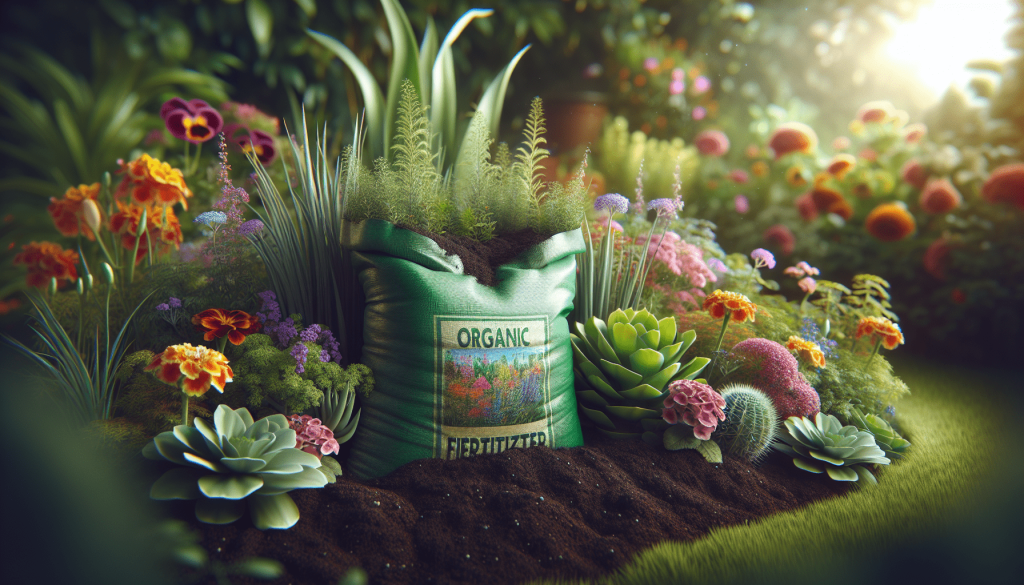
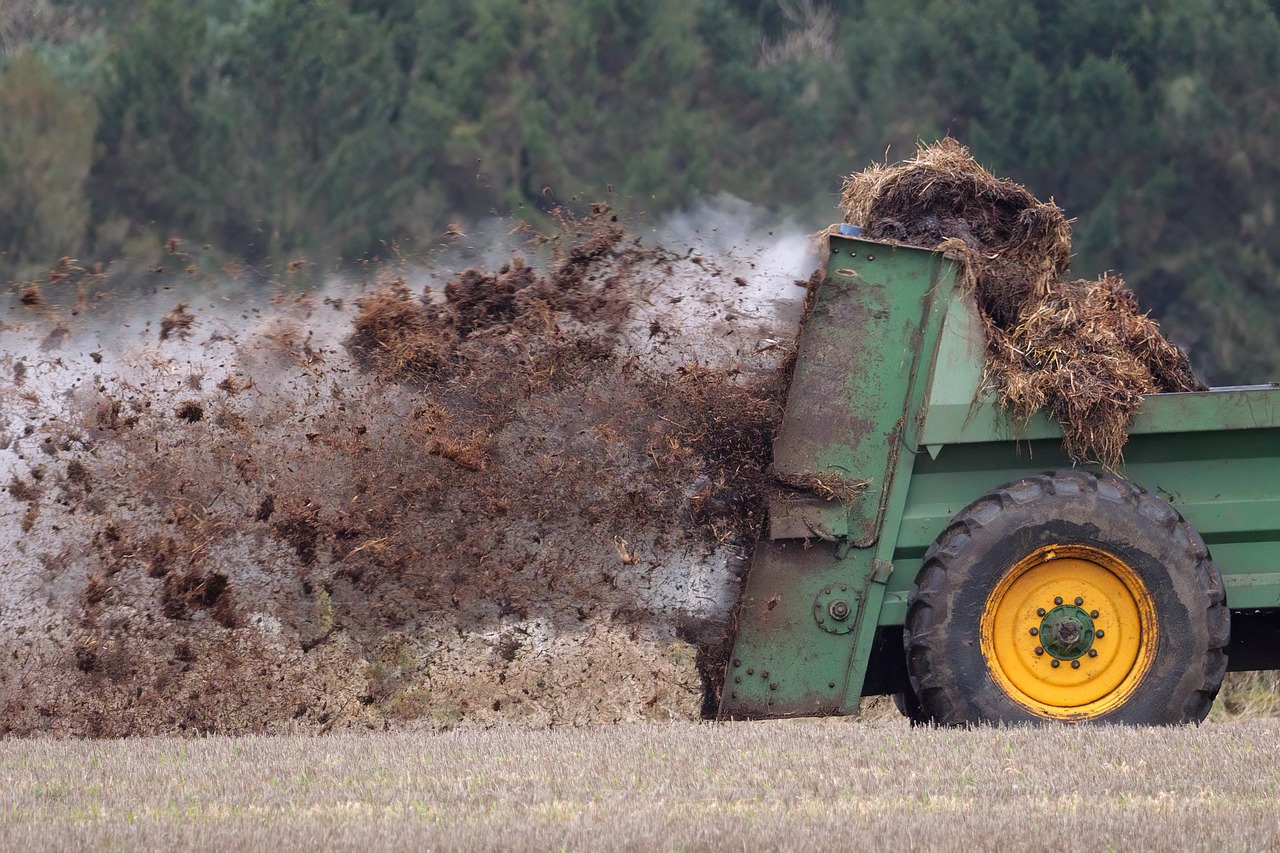
What if the secret to a thriving garden lies in the fertilizer you choose? Understanding the different types of fertilizers and their specific benefits can be a game changer for any gardening enthusiast like you. Let’s dig deeper into the world of fertilizers and how you can pick the right one for your beautiful garden.
Understanding Fertilizer Basics
Before making any decisions about fertilizers, it’s important to understand what they are and why they matter. Fertilizers are substances that provide essential nutrients to plants. They mainly contain macronutrients like nitrogen (N), phosphorus (P), and potassium (K), often abbreviated as NPK.
Why Nutrients Matter
Plants need nutrients to grow strong and healthy. Different plants require different levels of these nutrients, and deficiencies can result in poor growth, yellowing leaves, and reduced yields. By choosing a fertilizer that matches your garden’s specific needs, you help ensure that your plants thrive.
Types of Fertilizers
There are two primary categories of fertilizers: organic and synthetic. Each type has its own benefits and considerations.
Organic Fertilizers
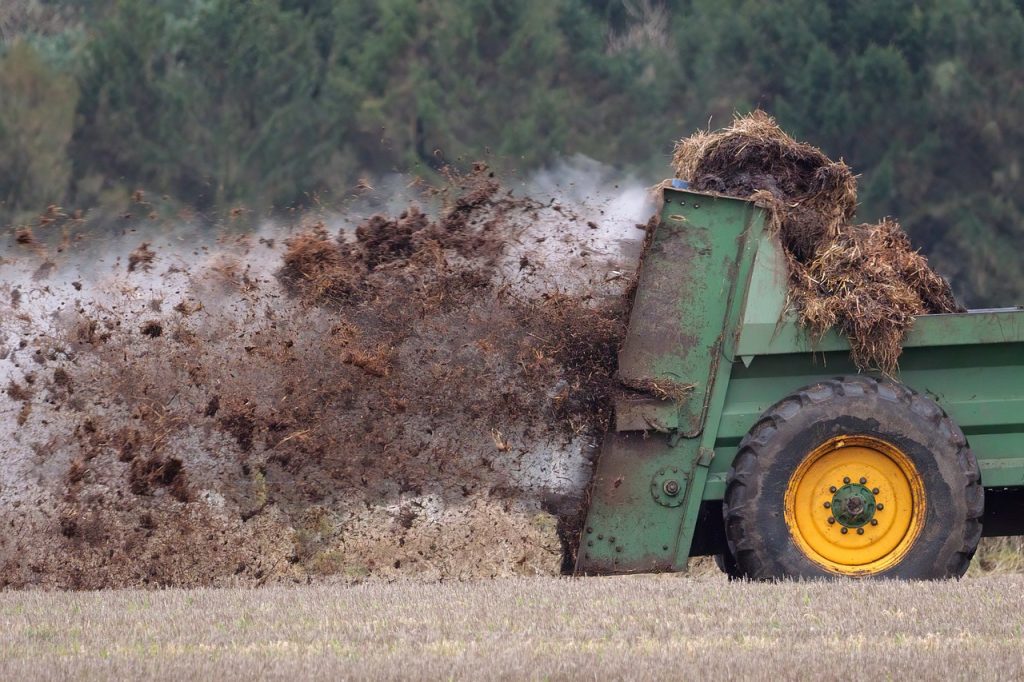
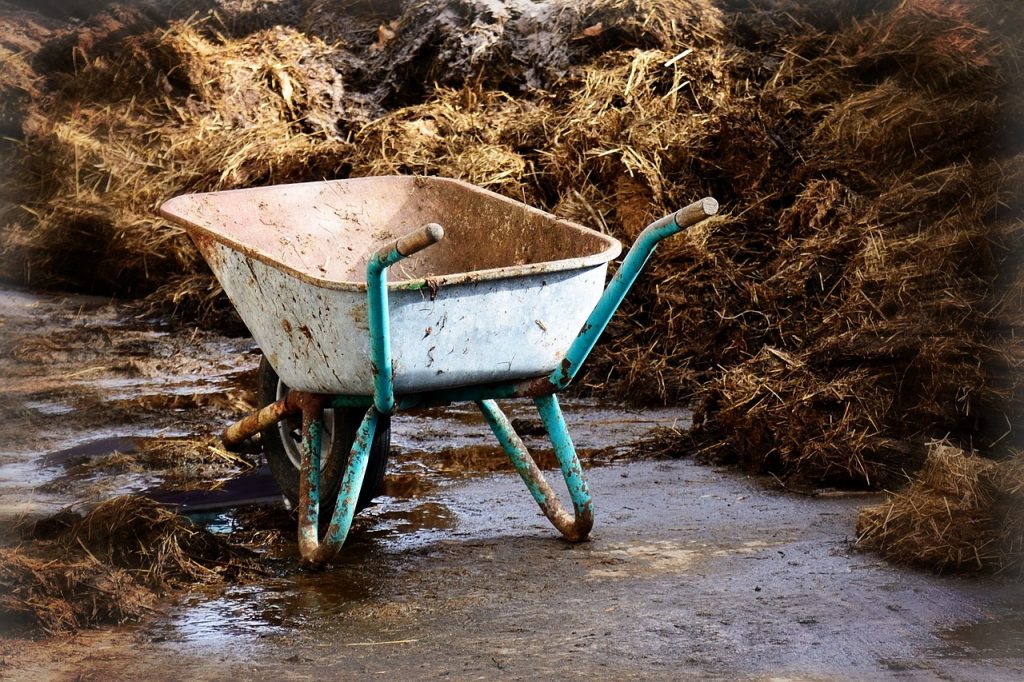
Organic fertilizers are made from natural materials, such as decomposed plants, animal manure, or bone meal. They enrich the soil structure and improve soil health over time.
Benefits of Organic Fertilizers
- Soil Health: Organic fertilizers improve soil structure, enhance microbial activity, and promote a healthy ecosystem.
- Sustainable Options: They are derived from renewable resources and usually have a lower environmental impact.
- Slow Release: Nutrients are released slowly, providing a steady supply to plants over time.
Examples of Organic Fertilizers
| Type | Source | Nutrients Provided |
|---|---|---|
| Compost | Decomposed organic matter | N, P, K, micronutrients |
| Manure | Animal waste | N, P, K (varies by animal type) |
| Bone Meal | Ground animal bones | High in phosphorus |
| Fish Emulsion | Fish scraps or by-products | N, trace minerals |
Synthetic Fertilizers
Synthetic fertilizers are chemically manufactured to provide specific nutrient ratios. They are often fast-acting and can be applied in smaller quantities than organic options.
Benefits of Synthetic Fertilizers
- Immediate Result: They provide nutrients quickly, making them ideal for rapid growth phases.
- Precise Nutrient Ratios: You can select fertilizers based on specific nutrient needs due to the wide variety available.
- Cost-Effective: They usually have a lower upfront cost compared to organic fertilizers.
Examples of Synthetic Fertilizers
| Type | Nutrient Composition | Common Use |
|---|---|---|
| Urea | 46-0-0 | High-nitrogen needs |
| Triple Superphosphate | 0-46-0 | Boosting flowering or root development |
| Potassium Sulfate | 0-0-50 | Improving fruit quality and disease resistance |
Determining Nutrient Needs
Now that you know about the types of fertilizers available, it’s time to determine the nutrient needs of your garden. This process often begins with soil testing, which can offer valuable insight into what your soil may lack.
Soil Testing: Why It’s Important
Testing your soil gives you a clear picture of its nutrient composition and pH level. This information is crucial for understanding what fertilizers you might need.
- Check with Local Extension Services: Many local agricultural extension offices offer affordable soil testing.
- Use a Soil Test Kit: These are available at garden centers and allow you to perform basic tests at home.
Interpreting Soil Test Results
Once you receive your soil test results, you may see terms like pH, N, P, and K levels. Here’s how to interpret what you find:
- pH Level: Indicates the acidity or alkalinity of the soil. Most plants thrive in a pH between 6.0 and 7.0.
- NPK Levels: These numbers represent the concentrations of nitrogen, phosphorus, and potassium in your soil.
Choosing the Right Fertilizer for Your Plants
Each plant has unique nutritional needs. Understanding these needs will guide you in selecting the right fertilizer.
For Vegetables
Vegetable gardens often need a balanced fertilizer to support different growth stages.
- Nitrogen helps with green leafy growth.
- Phosphorus aids in root development and flowering.
- Potassium boosts overall plant health and disease resistance.
Common Vegetable Fertilizer Types
| Vegetable Type | Ideal NPK Ratio |
|---|---|
| Leafy Greens (e.g., lettuce) | 10-10-10 or higher nitrogen |
| Root Vegetables (e.g., carrots) | 5-10-10, higher phosphorus |
| Fruiting Vegetables (e.g., tomatoes) | 5-10-10 for early, 10-10-10 later |
For Flowers
Most flowers benefit from a fertilizer that has a higher phosphorus content to encourage blooming.
| Flower Type | Ideal NPK Ratio |
|---|---|
| Annual Flowers | 15-30-15 |
| Perennials | 5-10-5 |
| Bulbs (e.g., tulips) | 10-20-20 |
For Lawn Care
Fertilizers for lawns often contain high nitrogen to promote lush green growth.
| Grass Type | Ideal NPK Ratio |
|---|---|
| Cool-Season Grasses | 4-1-2 |
| Warm-Season Grasses | 3-1-2 |
Application Methods
Once you’ve chosen your fertilizer, the next step is applying it correctly to maximize its benefits.
Granular Fertilizers
Granular fertilizers are applied as small pellets that dissolve in the soil, releasing nutrients over time.
- How to Apply: Spread granules evenly on the soil surface, then water them in to help with absorption.
- Best Time: Apply before planting or in early spring for established plants.
Liquid Fertilizers
Liquid fertilizers are quickly absorbed and can be sprayed or watered in.
- How to Apply: Mix with water according to package instructions and either water the plants directly or use a spray bottle.
- Best Time: Ideal during the growing season, particularly after heavy rainfall.
Slow-Release Fertilizers
Slow-release fertilizers provide a gradual supply of nutrients. They are especially handy for busy gardeners.
- How to Apply: Incorporate into the soil at planting or sprinkle on top of established plants.
- Best Time: Any time during the growing season, as they continue to release nutrients over several weeks.
Timing Your Fertilizer Use
Timing is crucial when applying fertilizer. Different plants have varying nutrient needs throughout their growth stages.
Spring: The Best Time to Fertilize
For most gardens, spring is the optimal time to fertilize, providing an essential nutrient boost as plants wake from dormancy.
Considerations:
- Early Spring: Apply slow-release fertilizers to give plants a steady supply of nutrients.
- Mid-Spring: Use liquid fertilizers for a quick nutrient supply as flowering begins.
Summer: Careful Monitoring Needed
In summer, plants may require additional nutrients, especially if they are flowering or fruiting.
Considerations:
- Watch for Deficiencies: Keep an eye on plant growth. If you notice yellowing leaves or other signs of nutrient shortages, an additional application may be necessary.
- Watering: When applying any fertilizers during this period, ensure to water adequately.
Fall: Preparing for Winter
As the growing season winds down, some gardeners apply a final round of fertilizer to prepare plants for winter.
Considerations:
- Use a lower nitrogen ratio: A mix like 5-10-10 is effective, assisting root development while avoiding excessive top growth before winter.
Common Fertilizer Mistakes to Avoid
There are several pitfalls you might encounter when using fertilizers that can hinder your garden’s success.
Over-Fertilizing
Applying too much fertilizer can lead to nutrient burn and damage plants. It can also create imbalances in the soil, harming beneficial microbes.
Tips to Avoid This:
- Follow Instructions: Always adhere to the recommended amounts on the fertilizer packaging.
- Check Soil Needs: Use soil testing to inform how much fertilizer your garden truly requires.
Incorrect Timing
Fertilizing at the wrong time can reduce its effectiveness and harm plants.
Tips to Avoid This:
- Plan Accordingly: Factor in the growth phases of your plants, as well as local climate conditions.
- Monitor Weather: Avoid fertilizing before a heavy rain, which can wash away nutrients.
Ignoring Soil Health
Over-reliance on fertilizers can lead you to neglect the overall health of your soil.
Tips to Avoid This:
- Incorporate Organic Matter: Regularly add compost or organic matter to your soil to improve its structure.
- Rotate Crops: Rotate your plants each season to prevent nutrient depletion.
Conclusion
Choosing the right fertilizer is an essential part of gardening that can determine your plants’ success. Remember that every garden has its unique needs depending on soil quality, plant types, and environmental conditions. By understanding the basics of fertilizers, soil testing, and the specific requirements of your plants, you can cultivate a flourishing garden that brings you joy season after season. Happy gardening!