
What if you could transform your small balcony into a vibrant garden oasis? Imagine stepping out into a lush, green space filled with fragrant flowers, delicious herbs, and even vegetables, all within the confines of your urban living space. Balcony gardening might not be as daunting as you think, and there are plenty of tips and tricks to help you get started on your green thumb journey.
Understanding Your Space
Assess Your Balcony
Before you begin planning your garden, it’s essential to assess the specifics of your balcony. Consider the size, shape, and any limitations that might affect your gardening efforts. Are there any structural elements, such as a railing or walls, that could impact light or wind? Understanding these factors will help you make informed choices about what to plant.
Taking measurements can be incredibly helpful. Jot down the dimensions of your balcony, and note the areas that receive the most sunlight throughout the day. This information will guide you in selecting the right plants and arranging them optimally.
Sunlight and Shade Conditions
Sunlight is a crucial factor in successful gardening. Most edible plants and flowers require at least six hours of sunlight each day. However, if your balcony is shaded for part of the day, don’t worry! There are plenty of shade-loving plants that can thrive in lower light conditions.
You’ll want to observe the patterns in your space for about a week to see how the sunlight moves. Note which areas are bright and which are shaded during different times of the day. Based on this analysis, you can choose the right plants for your specific conditions.
Choosing the Right Plants
Edible Plants
If you are excited about growing your own food, consider planting herbs, vegetables, or even fruits. Here’s a quick list of some popular options:
| Plant Type | Examples | Sun Needs |
|---|---|---|
| Herbs | Basil, Parsley, Mint | Full sun to part shade |
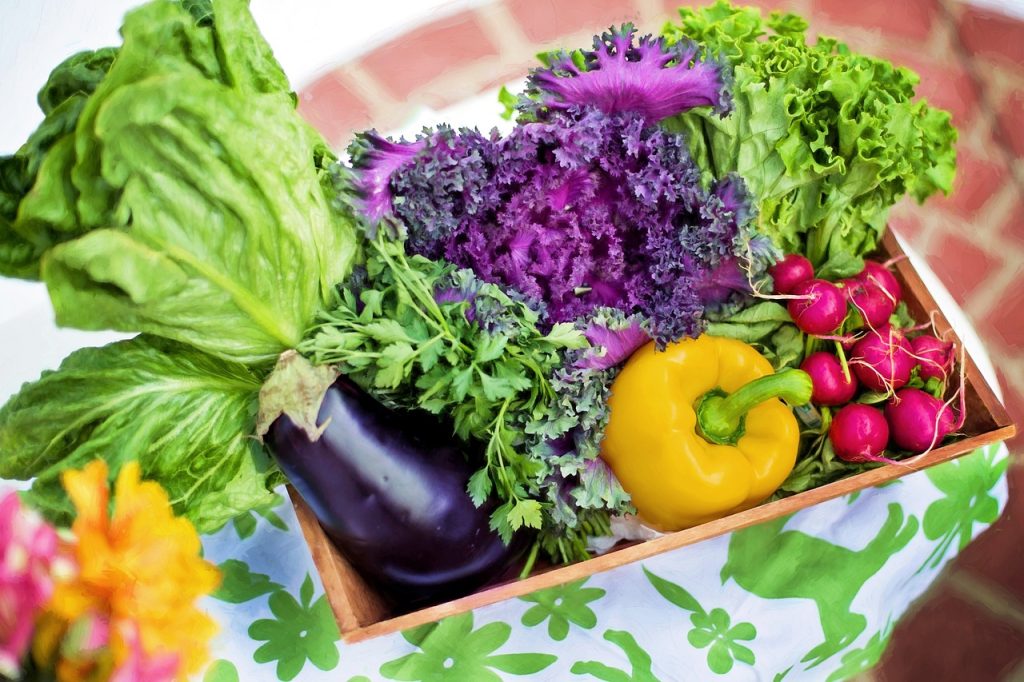
| Vegetables | Lettuce, Spinach, Radishes | Full sun |
| Fruits | Strawberries, Tomatoes | Full sun |
Herbs are particularly well-suited for small spaces, as most can thrive in containers. They add flavor to your meals and are relatively easy to care for.
Ornamental Plants
If you’re more interested in aesthetics than edibles, ornamental plants can help create a stunning display. Here’s a similar breakdown:
| Plant Type | Examples | Sun Needs |
|---|---|---|
| Flowers | Petunias, Geraniums | Full sun |
| Foliage Plants | Ferns, Calatheas | Part to full shade |
| Climbing Plants | Vines, Jasmine | Full sun to part shade |
Consider the colors, sizes, and textures of the plants you choose. A mix of flowers and foliage can add depth and interest to your garden.
Container Selection
Types of Containers
The containers you choose for your balcony garden are just as important as the plants themselves. They come in a variety of styles, materials, and sizes. Here are some common options:
- Plastic Pots: Lightweight and often cheaper, these pots are great for beginners.
- Clay Pots: Offer breathability and are heavier, which can be beneficial on windy balconies.
- Fabric Grow Bags: Excellent for growing vegetables as they provide good drainage and aeration.
- Hanging Baskets: Perfect for vertical gardening to maximize space.
When selecting containers, ensure they have adequate drainage holes to prevent waterlogging, which can harm plant roots.
Sizing Your Containers
Container size is critical for plant health. Generally, the larger the container, the more soil it can hold, which means better moisture retention and more room for roots to grow. Here’s a simple guide to help you decide:
| Plant Type | Container Size |
|---|---|
| Herbs | 6-8 inches |
| Vegetables | 12-14 inches |
| Small Fruits | 14-16 inches |
| Flowering Plants | 10-14 inches |
Decorative Elements
Don’t forget to personalize your balcony! You can add decorative pots, trellises, or even garden lights to enhance the ambiance. Consider your style and what will make your garden feel welcoming and cozy.
Soil and Fertilizer
Choosing Soil
Having the right soil is essential for a healthy garden. A good potting mix, specifically designed for container gardening, is your best option. These mixes often contain a blend of ingredients that provide nutrients while ensuring good drainage.
Fertilization
Plants in containers quickly use up the nutrients in the soil, so regular fertilization is key. Here’s a breakdown of what you need:
| Type | Use | Frequency |
|---|---|---|
| Liquid Fertilizer | Fast acting, easy to use | Every 2-4 weeks |
| Slow-release Fertilizer | Gradual nutrient release | Every 4-6 months |
Make sure to follow the instructions on the fertilizer packaging and adjust based on the specific needs of your plants.
Watering Techniques
Understanding Water Needs
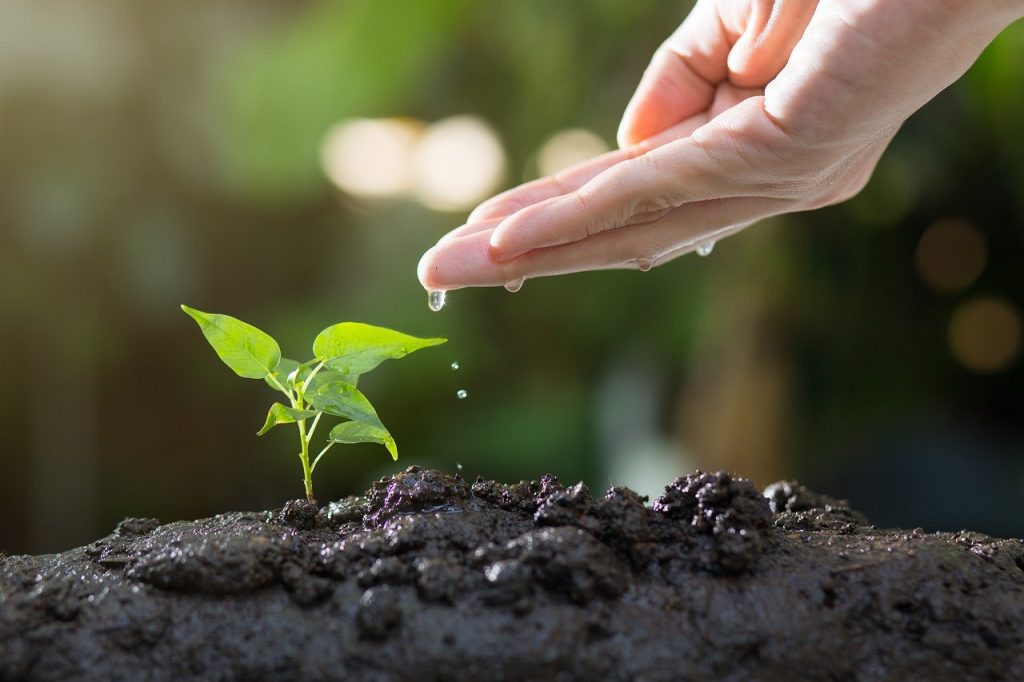
Balcony gardens can dry out quickly, especially during hot summer days. However, overwatering can be just as harmful as underwatering. The watering needs of your plants can vary significantly based on the types you have, the size of your containers, and the weather conditions.
Effective Watering Methods
Here are some handy tips to ensure your plants receive the right amount of moisture:
- Check the Soil: Insert your finger about an inch into the soil; if it feels dry, it’s time to water.
- Water Early or Late: Watering in the morning or late afternoon can reduce evaporation loss.
- Use Self-Watering Planters: Consider self-watering containers for easier maintenance.
Watering Schedule
Creating a consistent watering schedule is crucial. As a guideline:
| Season | Frequency |
|---|---|
| Spring | 2-3 times a week |
| Summer | 4-5 times a week |
| Fall | 1-2 times a week |
| Winter | Once a week |
Always adjust based on the specific needs of your plants.
Pest Management
Recognizing Common Pests
Even a small balcony garden can attract a variety of pests. Here are some common ones to watch out for:
- Aphids: Small insects that cluster on new growth; look for sticky residue on leaves.
- Spider Mites: Tiny, spider-like pests that cause yellowing leaves.
- Whiteflies: Small white moths that can infest plants and leave sticky residue.
Natural Remedies
To keep your plants healthy without harmful chemicals, try these natural pest control methods:
- Neem Oil: A natural pesticide that repels pests without harming beneficial insects.
- Insecticidal Soap: Effective against soft-bodied insects and gentle on plants.
- Companion Planting: Certain plants can repel pests. For instance, planting marigolds with vegetables can deter aphids.
Prevention Strategies
Preventing pests from taking over your balcony garden is much easier than combating an infestation. You can:
- Keep an eye on your plants regularly for early detection.
- Ensure healthy plants through proper watering and fertilization.
- Remove any dead leaves or debris that may attract pests.
Seasonal Planting
Choosing the Right Season
Understanding the seasons is vital for successful balcony gardening. The types of plants you can grow will vary based on the time of year. Here’s a quick guide:
| Season | Best Plants |
|---|---|
| Spring | Lettuce, Radishes |
| Summer | Tomatoes, Basil |
| Fall | Kale, Spinach |
| Winter | Garlic, Onions |
Extending the Growing Season
If you want to maximize your gardening potential, consider using season extenders like row covers and cold frames. These simple structures can help protect your plants from frost and extend the growing season in colder climates.
Design and Layout
Planning Your Garden Layout
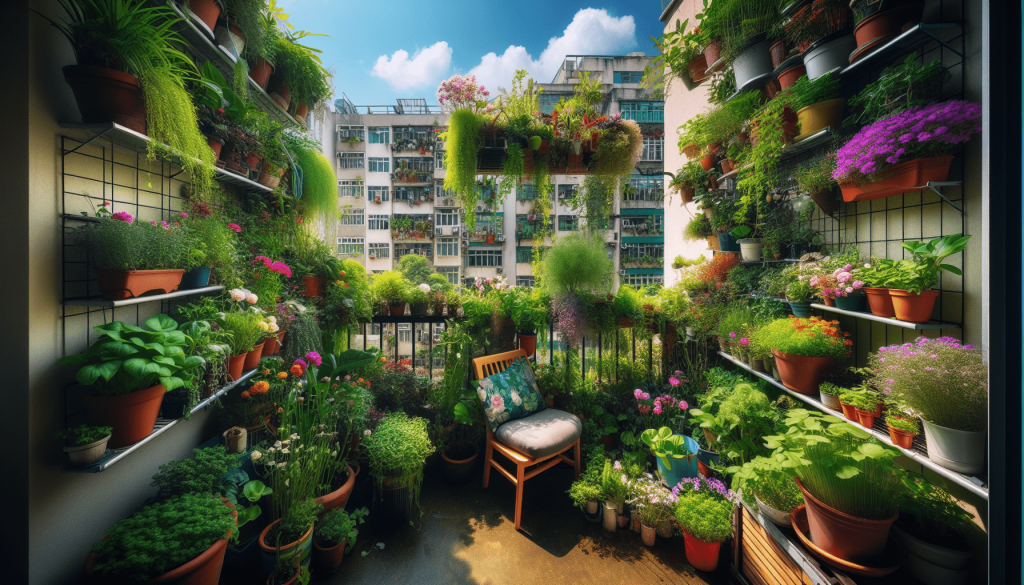
The arrangement of your plants can greatly impact their growth and your enjoyment of the space. Think vertical to maximize your limited area. Use shelves, hanging planters, and wall planters to create depth.
Creating a Focal Point
Creating a focal point can enhance the visual appeal of your balcony garden. Consider features like a decorative fountain, a striking plant, or even colorful furniture to draw the eye. This allows you to enjoy your garden even when you are not tending to the plants.
Tips for Year-Round Gardening
Overwintering Plants
If you live in a colder climate, you might need to bring certain plants indoors during the winter. Diagnosing which plants can handle the chill and which should come inside will be a vital part of your care plan.
- Tender Plants: Many herbs and tropical plants, like basil and geraniums, can be brought indoors to continue growing.
- Hardy Plants: Certain perennials and some vegetables can be left outside if mulched properly.
Indoor Gardening Ideas
If your balcony is too cold for certain seasons, you can consider indoor gardening as an alternative. Some plants thrive indoors with the right light and care:
- Herbs: Basil, mint, and cilantro can grow well on a sunny kitchen windowsill.
- Houseplants: Peace lilies and pothos add beauty and can thrive in low light.
Community and Networking
Joining Local Gardening Groups
Connecting with others can provide you with inspiration and support. Look for local gardening clubs or online forums where you can share experiences, ask questions, and learn from fellow gardeners. You might even find trade opportunities for plants and seeds!
Participating in Community Gardening
If you find that your balcony space is limited, participating in a community garden can be a great way to indulge your gardening passion. You’ll have access to larger plots of land and the chance to collaborate with others in your area. Many community gardens offer events that can help build a close-knit gardening community.
Enjoying the Fruits of Your Labor
Harvesting and Using Your Produce
Nothing compares to the satisfaction of harvesting your own fruits, vegetables, or herbs. When you gather your produce, make sure you know when each plant is at its peak for harvesting.
- Herbs: Pick leaves frequently to encourage new growth and prevent flowering.
- Vegetables: Harvest them as soon as they reach maturity for the best flavor.
- Fruits: Collect fruit like tomatoes or strawberries when they develop their full color.
Sharing and Celebrating
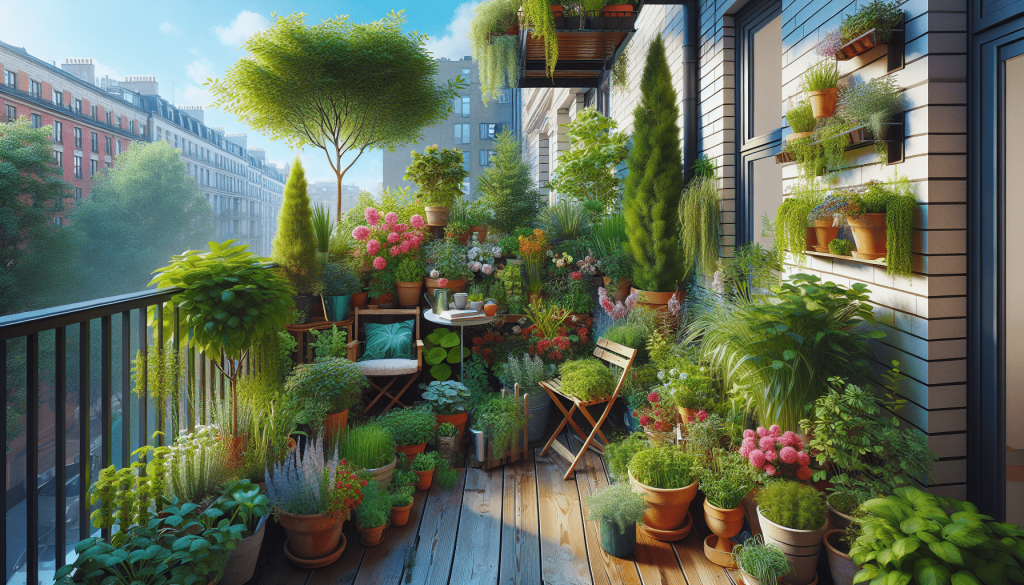
Sharing the bounty of your balcony garden can be incredibly rewarding. Consider hosting a small gathering with friends and family where you can serve dishes made from your homegrown crops. It’s a wonderful way to celebrate your hard work and inspire others to start their own gardening adventures!
This journey into balcony gardening not only beautifies your living space but also improves your quality of life. Your little corner can become a green retreat, a source of fresh produce, and a delightful hobby that takes you into the world of nature, even amid the hustle and bustle of urban life.