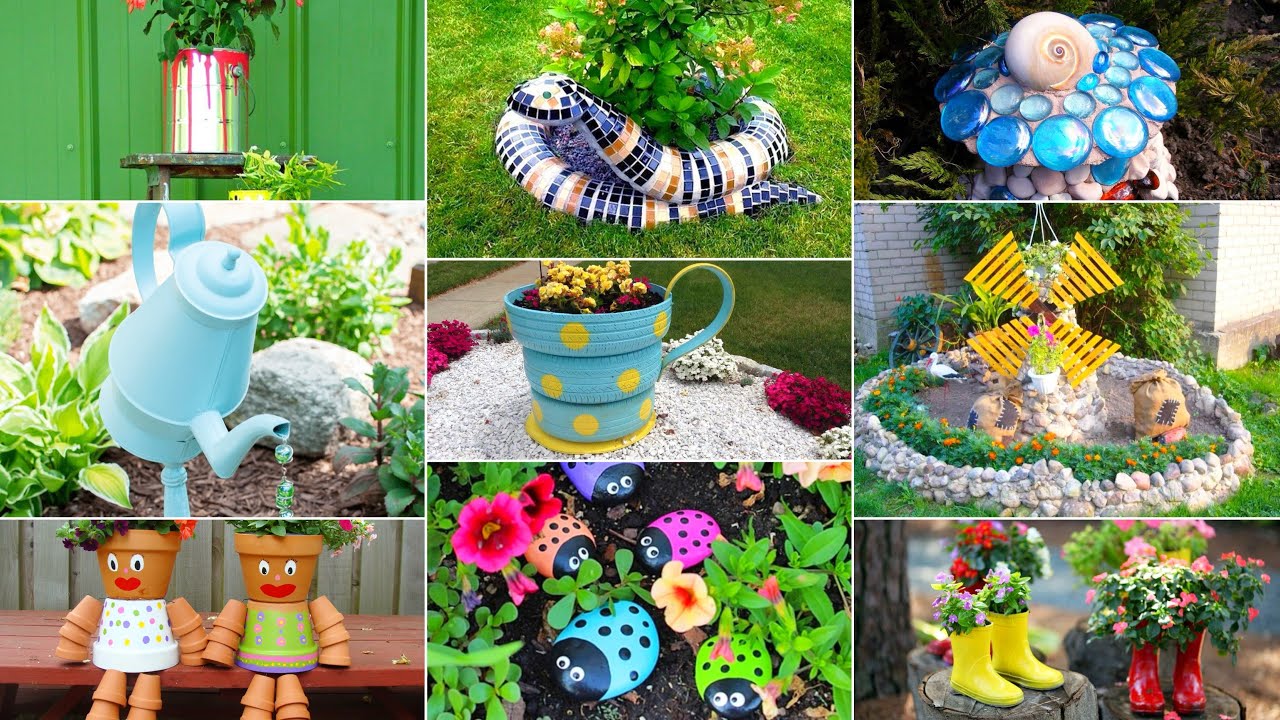
Have you ever thought about how to enhance the beauty of your outdoor space? Gardening offers a plethora of opportunities not only to beautify your surroundings but also to express your creativity. DIY garden projects can transform your yard into a sanctuary where you can relax, entertain, and enjoy nature. Let’s explore some fantastic projects you can tackle to elevate your garden.
Understanding Your Outdoor Space
Before you jump into any projects, it’s essential to understand your outdoor space. Take a moment to observe your garden, noting areas that need improvement or elements that could use a touch of creativity. Think about the style you want to achieve—are you leaning towards a rustic charm, a modern aesthetic, or perhaps a tranquil retreat?
Assessing Your Needs
Consider how you plan to use your garden. Is it primarily for relaxation, entertainment, or growing your own food? This assessment will guide your DIY projects.
- Relaxation: You might want some seating areas or peaceful water features.
- Entertainment: Perhaps a patio or outdoor kitchen would suit your needs.
- Growing Food: Raised vegetable beds or herb gardens could be the focus.
Creating a Beautiful Flower Bed
One of the most rewarding DIY projects is creating a stunning flower bed. Not only does it enhance your garden’s visual appeal, but it also attracts beneficial insects and birds.
Choosing the Right Flowers
Selecting the right flowers is crucial for a vibrant flower bed. Consider factors like climate, soil type, and sunlight. Some popular options include:
| Flower | Sunlight Needs | Blooming Season |
|---|---|---|
| Marigold | Full sun | Summer to Fall |
| Petunia | Full sun | Spring to Frost |
| Shasta Daisy | Full sun | Summer |
| Foxglove | Partial shade | Late Spring to Summer |
Preparing the Bed
To create a flower bed, follow these steps:
- Choose the Location: Pick a spot that receives adequate sunlight.
- Clear the Area: Remove any weeds or grass.
- Enrich the Soil: Mix compost into your soil to improve fertility.
- Plant Your Flowers: Follow the spacing guidelines on the seed packets.
- Water Regularly: Keep the soil moist but not soggy.
Building Raised Garden Beds
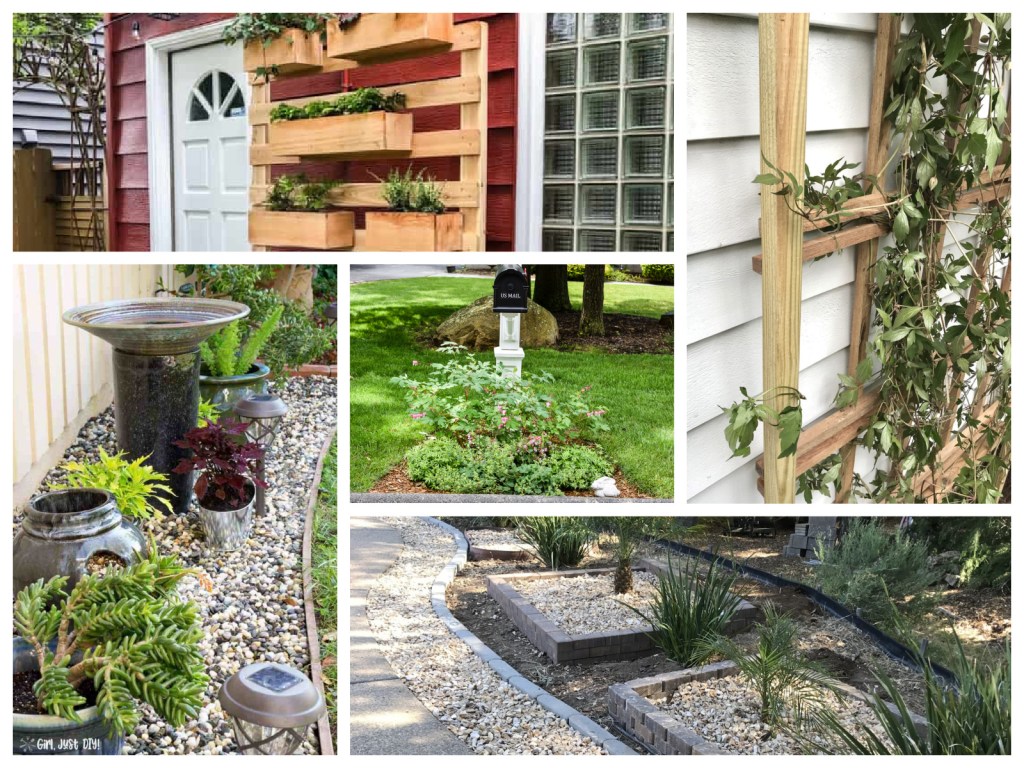
If you dream of growing your own vegetables or flowers, raised garden beds are a fantastic project. They not only provide excellent drainage but also improve the soil quality.
Planning Your Raised Bed
Before you start building, you need to plan your design. Consider dimensions, materials, and placement.
- Dimensions: A standard height for raised beds is 12-24 inches.
- Materials: Cedar and redwood are popular choices due to their durability and resistance to rot.
Step-by-Step Guide to Building
- Select a Location: Choose a sunny spot away from large trees.
- Gather Materials: You’ll need wood (cedar or redwood), screws, and a level.
- Cut the Wood: Measure and cut the wood to your desired dimensions.
- Assemble the Bed: Screw the corners together and ensure the structure is level.
- Fill with Soil: Mix topsoil, compost, and organic matter for a nutrient-rich blend.
Installing a Garden Pathway
Garden pathways add structure to your yard and make it easier to navigate. They also provide a fantastic way to showcase your beautiful plants.
Choosing Pathway Materials
You have several options for materials, each with its own aesthetic.
| Material | Pros | Cons |
|---|---|---|
| Gravel | Inexpensive, great drainage | Can shift out of place |
| Pavers | Durable, customizable | Requires more effort |
| Wood Chips | Natural look, biodegradable | Needs replenishing |
Steps to Create a Pathway
- Plan the Route: Decide where your pathway will lead.
- Prepare the Ground: Clear the area of grass and debris.
- Lay the Foundation: If using gravel or pavers, create a base with landscaping fabric.
- Install the Material: Lay down your chosen material, ensuring even spacing.
- Edging: Consider installing edging to define the boundaries.
Adding a Water Feature
Creating a water feature can add tranquility to your garden. The sound of flowing water creates a serene ambiance and attracts wildlife.
Choosing Your Water Feature
Think about what type of water feature suits your garden style:
- Fountains: Great for small spaces; they come in various designs.
- Ponds: Perfect for larger areas; they can host fish and aquatic plants.
- Birdbaths: Simple and effective for attracting birds.
Steps to Install a Fountain
- Select a Location: Choose a spot visible from your home.
- Pick a Fountain: Select one based on size and style.
- Prepare the Area: Clear the ground and create a level base.
- Install the Fountain: Follow the manufacturer’s instructions for setup.
- Add Plants: Surround the fountain with plants to enhance its beauty.
Creating Outdoor Seating Areas
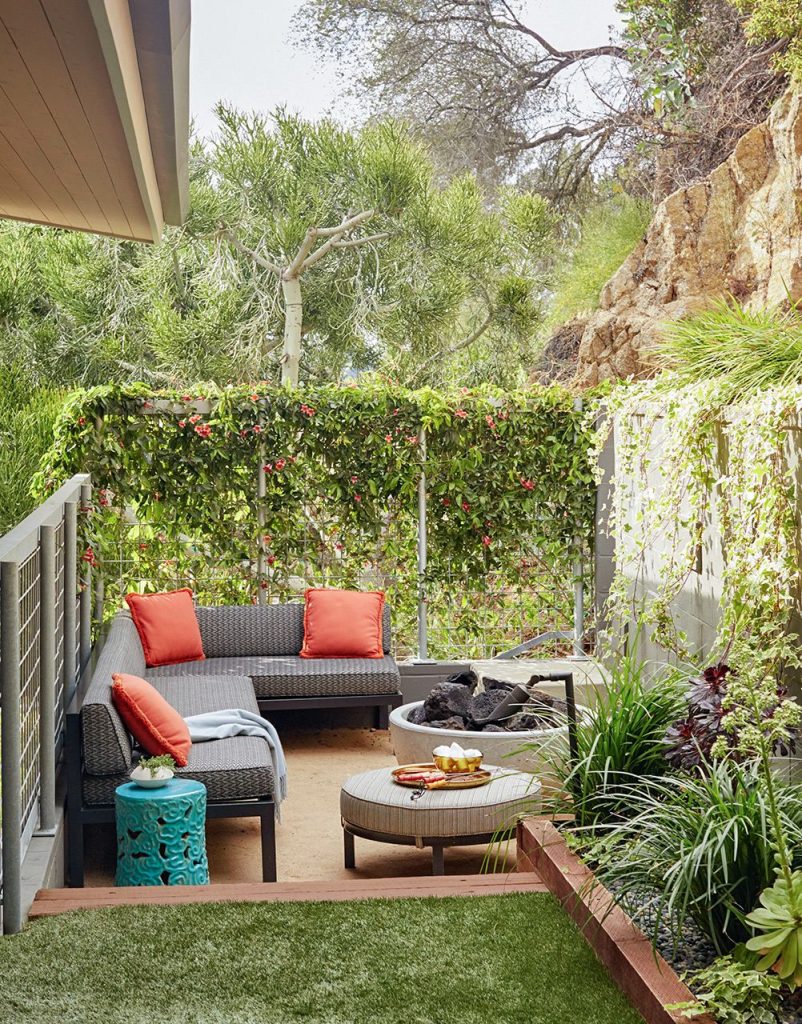
Building seating areas in your garden can offer comfortable spots for relaxation and gatherings. It creates inviting spaces to enjoy your outdoor haven.
Choosing Your Seating Style
There are numerous designs to consider, depending on your available space and style preference:
| Seating Style | Material | Best For |
|---|---|---|
| Wooden Benches | Wood | Classic, rustic look |
| Adirondack Chairs | Wood or Plastic | Casual, comfortable seating |
| Stone Seats | Stone | Permanent, natural appearance |
Steps to Build a Simple Bench
- Select the Location: Find a flat area with a nice view.
- Gather Materials: You’ll need planks of wood, screws, and tools.
- Cut the Wood: Cut wood to create the seat and the legs.
- Assemble the Bench: Securely screw the legs to the seat.
- Finishing Touches: Sand down rough edges to prevent splinters.
Incorporating Edible Plants
Adding edible plants can enhance your garden’s beauty while providing fresh produce. Consider planting herbs, vegetables, or fruit-bearing plants.
Choosing Edibles for Your Garden
When selecting what to grow, think about your culinary preferences. Here are some great options:
| Edible Plant | Sunlight Needs | Harvest Season |
|---|---|---|
| Basil | Full sun | Summer |
| Tomatoes | Full sun | Late summer |
| Strawberries | Full sun | Spring to Summer |
| Lettuce | Partial shade | Spring to Fall |
Steps to Start an Edible Garden
- Select a Sunny Location: Ensure plenty of natural light.
- Prepare the Soil: Enrich with compost and organic matter.
- Plant Your Selection: Arrange plants based on sunlight and spacing needs.
- Water Regularly: Keep the soil moist during growing seasons.
- Watch for Pests: Keep an eye on your plants and manage pests organically when necessary.
Building Vertical Gardens
Vertical gardens are an excellent way to maximize space, especially in smaller yards. They promote plant growth while adding visual interest to walls or fences.
Types of Vertical Gardens
There are several methods to create vertical gardens:
- Trellis Systems: Use lattice or trellis for climbing plants.
- Pocket Planters: Fabric planters that can be hung on walls.
- Living Walls: More complex structures that can house a variety of plants.
Steps to Create a Simple Vertical Garden
- Choose Your Structure: Consider a trellis or wall-mounted planters.
- Select Plants: Opt for plants that thrive in a vertical setting, like beans or climbing flowers.
- Install the Structure: Secure your trellis or planters to a strong wall or fence.
- Planting: Follow the recommended spacing for each plant.
- Water and Maintain: Regularly check the plants and ensure they receive adequate water.
Creating a Compost Bin
Starting a compost bin is a fantastic way to reduce waste and create nutrient-rich soil for your garden. It’s an eco-friendly project that benefits your plants.
Choosing Your Compost Method
There are a few options for composting methods:
| Method | Pros | Cons |
|---|---|---|
| Bin Composting | Enclosed, tidy, faster decomposition | Limited space |
| Pile Composting | Simple, no structure required | Less visually appealing |
| Vermicomposting | Great for small spaces, efficient | Requires worms |
Steps to Build a Simple Compost Bin
- Select a Location: Choose a dry, shaded area.
- Gather Materials: Use wood pallets or a ready-made bin.
- Assemble the Bin: Stack or build a rectangular shape, leaving gaps for airflow.
- Start Composting: Add a mix of green (nitrogen-rich) and brown (carbon-rich) materials.
- Turn Your Compost: Mix every few weeks to encourage decomposition.
Installing Outdoor Lighting
Outdoor lighting can elevate the beauty of your garden while providing illumination for evening gatherings.
Types of Outdoor Lighting
Consider these popular lighting options:
- Solar Lights: Energy-efficient and easy to install.
- String Lights: Create a festive ambiance over picnic tables or seating areas.
- Path Lights: Illuminate walkways for safety and aesthetics.
Steps to Install Garden Lighting
- Determine Needs: Identify areas that require lighting for safety or decoration.
- Select Fixtures: Choose styles that match your garden aesthetics.
- Plan Layout: Sketch a layout showing where each fixture will go.
- Install Fixtures: Follow the instructions for your lighting and ensure proper placement.
- Test Lights: Turn on your lighting to ensure everything works correctly.
Creating a Wildlife-Friendly Garden
Encouraging wildlife into your garden enhances the ecosystem and creates a lively environment. You can make simple changes to attract birds, butterflies, and beneficial insects.
Designing for Wildlife
Think about what elements will attract various species:
| Feature | Attracts |
|---|---|
| Native Plants | Local pollinators, birds |
| Birdhouses | Nesting birds |
| Water Sources | Drinking and bathing spots |
| Bee Hotels | Solitary bees |
Steps to Encourage Wildlife
- Plant Native Species: Choose local plants that provide food and shelter.
- Install Birdhouses: Place them in sheltered areas away from predators.
- Add Water Features: Consider birdbaths or small ponds.
- Avoid Pesticides: Reducing chemicals promotes healthy insect populations.
Maintaining Your Garden
Once your garden projects are complete, regular maintenance is essential to preserve their beauty.
General Maintenance Tips
- Watering: Ensure consistent moisture, especially during dry spells.
- Weeding: Regularly remove weeds to reduce competition for nutrients.
- Pruning: Trim plants when necessary to encourage healthy growth.
- Fertilization: Apply organic fertilizers during growing seasons.
Seasonal Gardening Tasks
| Season | Tasks |
|---|---|
| Spring | Plant seeds, prepare soil |
| Summer | Water regularly, monitor pests |
| Fall | Harvest crops, prepare for winter |
| Winter | Clean up, plan for next year |
Maintaining your garden can be just as fulfilling as creating it. With regular care, your DIY projects will continue to thrive and beautify your outdoor space for years to come.
By taking on these DIY garden projects, you’re not only enhancing the aesthetic appeal of your outdoor area but also creating a personal sanctuary where you can unwind, connect with nature, and cultivate a sense of pride in your accomplishments. So gather your materials, roll up your sleeves, and enjoy the fruits of your labor!