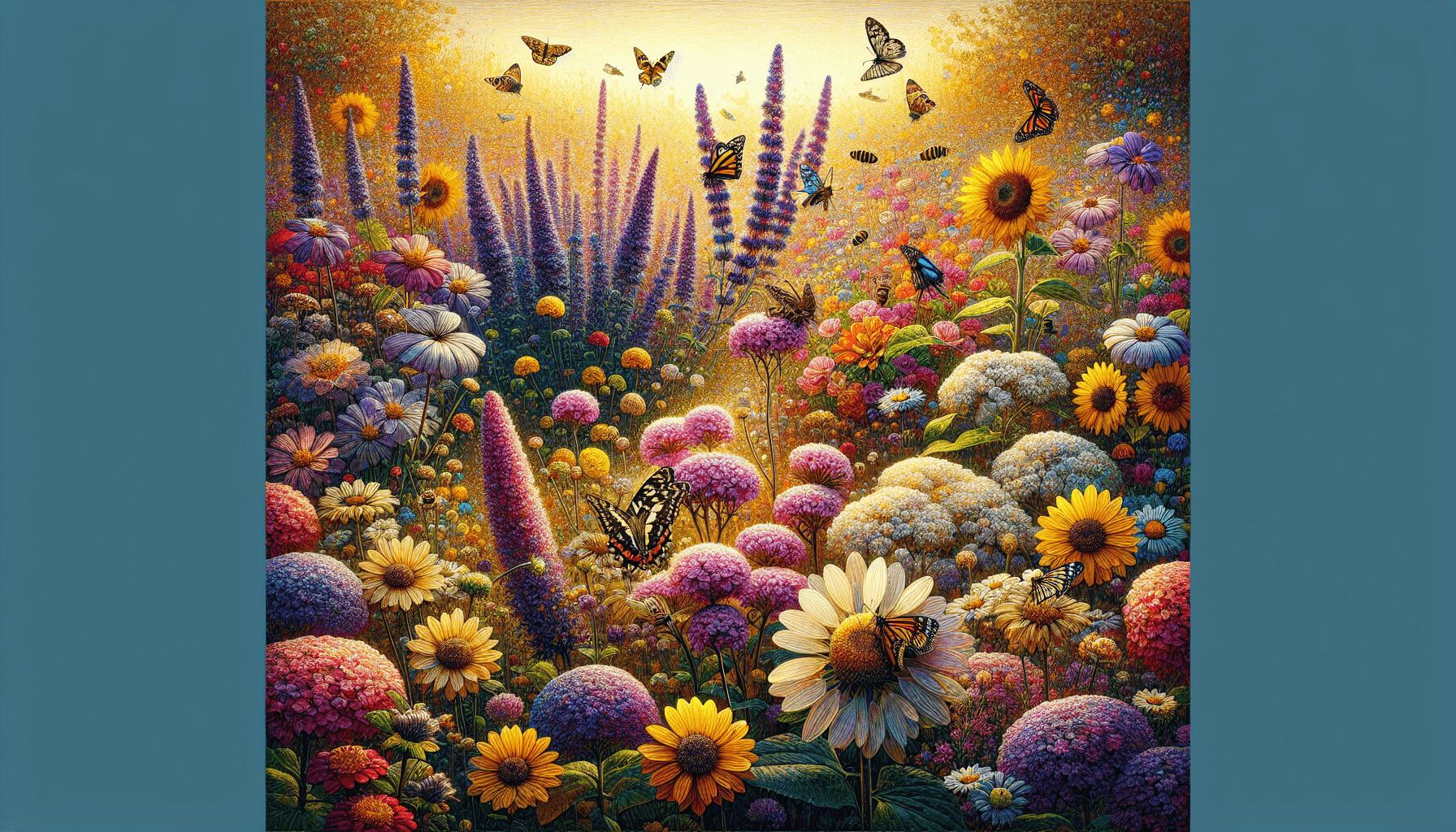
Have you ever wondered how to create a garden that not only blooms beautifully but also attracts the buzzing helpers of nature? If so, you’re in for a treat. Attracting pollinators to your garden can transform it into a lively ecosystem. Let’s uncover some effective ways to invite bees, butterflies, and other pollinators to your green space.
Understanding Pollinators
Before diving into the best practices for attracting pollinators, it’s important to understand who these helpers are and why they’re essential for your garden.
Who Are Pollinators?
Pollinators are animals, primarily insects, that facilitate the transfer of pollen from one flower to another, thus enabling fertilization. Common pollinators include:
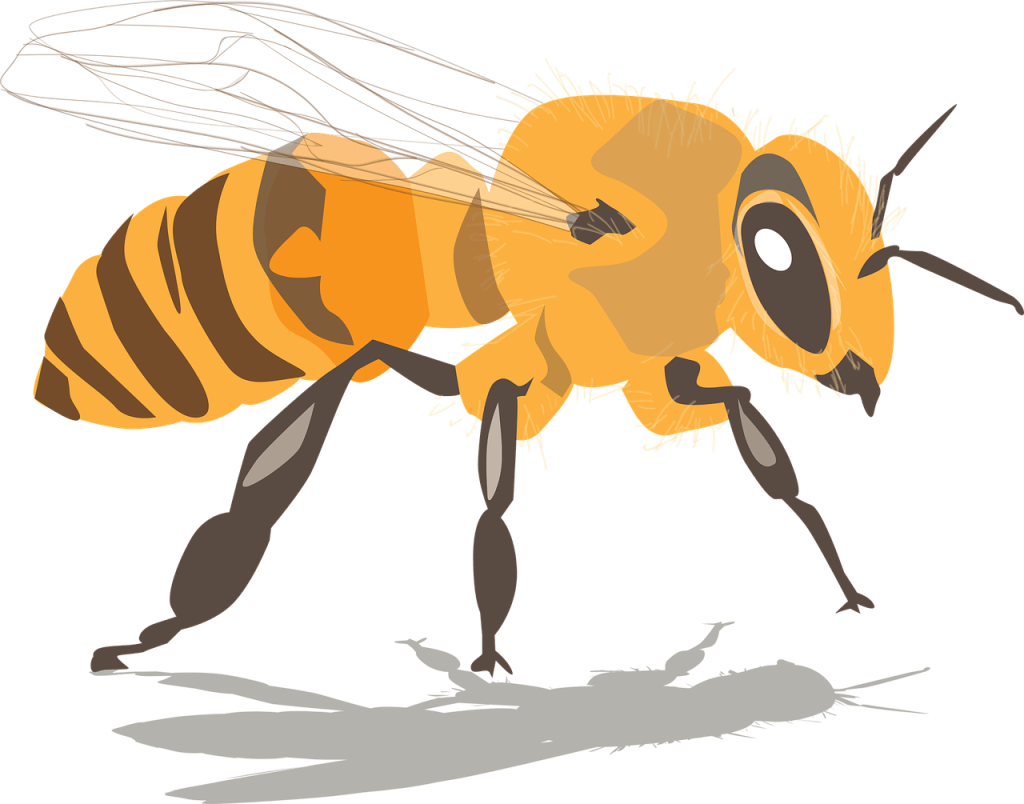
- Bees: These are the most efficient pollinators, visiting flowers for nectar and inadvertently transferring pollen.
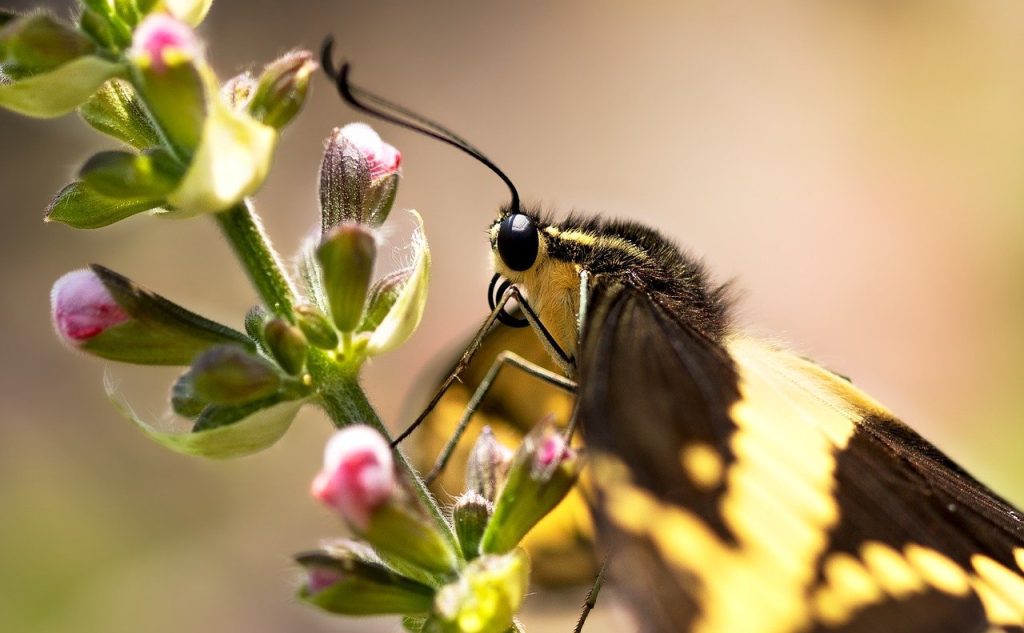
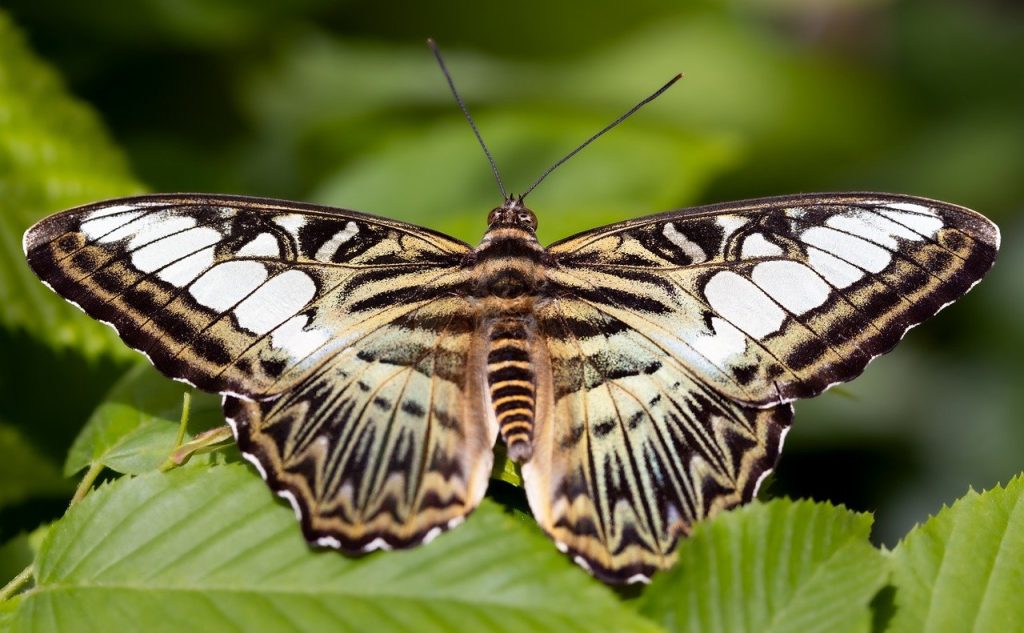
- Butterflies: With their vibrant colors, they not only add beauty to your garden but also play a key role in pollination.
- Hummingbirds: These birds love nectar-rich flowers and are excellent at pollinating them as they flit from plant to plant.
- Bats: Some species of bats are important nocturnal pollinators, especially for plants that bloom at night.
Why Are Pollinators Important?
Pollinators are crucial for the health of ecosystems and agriculture. They contribute to the reproduction of over 75% of flowering plants, including many fruits, vegetables, and nuts that you enjoy. Without these diligent pollinators, our food supply would be significantly affected. Plus, they help maintain plant diversity, which is vital for wildlife.
Choosing the Right Plants
Selecting the right plants is one of the simplest ways to attract pollinators to your garden. Here’s what you need to consider.
Native Plants
Native plants are adapted to your local environment and are more likely to support local pollinators. They thrive without excessive care and are more resistant to pests and diseases. Here are some examples of native plants:
| Region | Native Plants |
|---|---|
| North America | Coneflower, Milkweed, Aster |
| Europe | Lavender, Foxglove, Sage |
| Australia | Kangaroo Paw, Grevillea |
Variety of Flowers
Planting a variety of flower shapes, sizes, and colors helps attract different types of pollinators. For instance:
- Tube-shaped flowers like honeysuckle attract hummingbirds.
- Flat-topped flowers such as yarrow are favored by butterflies.
- Dense clusters like goldenrod appeal to bees.
Blooming Seasons
Ensure that your garden has a continuous bloom from spring to fall. By carefully selecting plants that bloom at different times, you can provide food for pollinators throughout the growing season. Here’s a simple table to plan your garden:
| Season | Flowers to Plant |
|---|---|
| Spring | Crocus, Daffodil |
| Summer | Sunflower, Bee Balm |
| Fall | Aster, Goldenrod |
Create a Pollinator-Friendly Habitat
Just planting flowers isn’t enough; you also need to ensure a suitable habitat for these creatures.
Provide Shelter
Pollinators need safe places to nest. You can create habitats by:
- Leaving some areas of your garden untouched or allowing them to grow wild.
- Providing wood piles or leaves for solitary bees to nest.
- Installing bee hotels for solitary bees, which provide them with nesting sites.
Water Sources
Pollinators also need water. A shallow dish filled with water and some stones for landing spots can work wonders. This simple addition can attract butterflies and bees looking for hydration.
Avoid Chemical Use
Pesticides can be harmful to pollinators. Consider these alternatives:
- Companion planting: Some plants naturally repel pests.
- Natural predators: Encourage birds and beneficial insects that can control pest populations.
Garden Design and Layout
The arrangement of plants in your garden can greatly influence the attractiveness to pollinators.
Grouping Plants
Plant flowers in clusters rather than scattering them throughout the garden. This makes it easier for pollinators to find food. A group of the same species can be more appealing to bees and butterflies.
Incorporate Vertical Elements
Adding vertical elements like trellises or arches supporting climbing plants can attract pollinators. Hummingbirds are often drawn to these structures, especially if they’re planted with nectar-rich vines like clematis or honeysuckle.
Sunlight Exposure
Most pollinators prefer sunny areas. Aim to position your flower beds in full sun, ensuring they receive at least six hours of sunlight daily. This is particularly important for attracting butterflies, which need warmth to be active.
Educating Yourself and Your Community
Sometimes, attracting pollinators goes beyond personal gardens. Community efforts can amplify your impact.
Learn About Local Pollinators
Understanding the specific types of pollinators in your area can help you tailor your garden accordingly. Consider joining local gardening groups or attending workshops to gain insights into native species.
Share Your Knowledge
Educate friends and family about the importance of pollinators and how they can help. Encourage them to plant pollinator gardens as well. A collective effort can lead to a healthier environment for everyone.
Participate in Community Gardens
If you have access to a community garden, getting involved can amplify your efforts to attract pollinators. Collaborate with fellow gardeners to create a space rich in diverse native plants.
Seasonal Maintenance
To keep your pollinator garden thriving, seasonal maintenance is crucial.
Spring Care
- Clean up any debris to encourage new growth.
- Prune back dead or overgrown plants to make way for new blooms.
Summer Care
- Water regularly, especially during dry spells. Consider drip irrigation to keep roots moist.
- Monitor the health of your plants and watch for pests. Remove any problematic plants to maintain balance.
Fall Care
- Leave some plants standing through the winter for pollinator habitats.
- Collect seeds from your plants to replant in the spring.
Winter Care
- If you live in colder climates, consider adding mulch to protect plant roots.
- Leave fallen leaves in garden areas for overwintering pollinators.
Additional Tips for Attracting Pollinators
Color Matters
Different pollinators are attracted to different colors. For instance:
- Bees are drawn to blue and purple hues.
- Butterflies tend to favor bright colors like yellow and red.
- Hummingbirds are particularly attracted to red.
Adding a mix of colors can help attract various species.
Scented Plants
Sweet-scented flowers can also lure in pollinators. Flowers like lavender, jasmine, and even herbs like mint and basil can attract bees and butterflies. Don’t hesitate to plant herbs, as they can benefit both pollinators and your kitchen.
Avoid Monoculture
Diverse gardens are healthier and more attractive to pollinators. Avoid large swaths of a single plant species, as they can create a food desert when not in bloom. A mixture encourages a rich variety of life.
Using Technology to Monitor Pollinator Activity
In today’s digital age, technology can help enhance your efforts.
Pollinator Apps
Various apps can help you identify local pollinators and track their activity. You can learn which species are frequenting your garden and what plants they prefer.
Citizen Science Projects
Joining citizen science projects, such as documenting pollinator sightings or patterns, can broaden your understanding and contribute to vital research on pollinator populations.
Conclusion
Creating a pollinator-friendly garden isn’t just beneficial for the environment; it can be a source of joy and pride for you as a gardener. By understanding the needs of pollinators, selecting the right plants, and providing a suitable habitat, you can play a vital role in supporting these essential creatures.
It takes effort, but the rewards come in the form of a vibrant, buzzing garden filled with life. Whether you’re watching butterflies dance or listening to bees buzzing, a pollinator garden can enrich your gardening experience while promoting biodiversity in your community.
So, what are you waiting for? Start implementing these tips today, and watch as your garden transforms into a haven for pollinators!