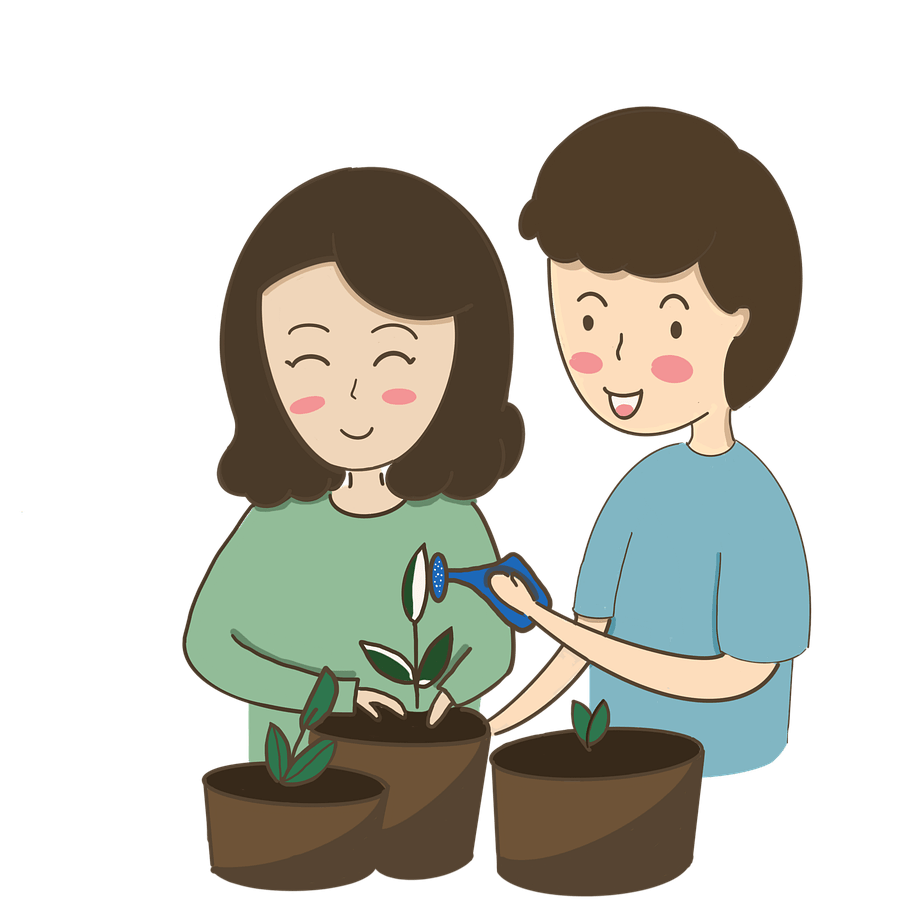
Have you ever thought about growing your own veggies or flowers, but felt limited by space? The good news is that you can create a thriving garden even in the smallest of areas. Container gardening is a fantastic solution for those of you with limited outdoor space, and it allows for creativity, convenience, and even some pretty tasty produce. Let’s get started!
What is Container Gardening?
Container gardening involves growing plants in pots or containers instead of in traditional garden beds. This method is perfect for small spaces such as balconies, patios, and even window sills. You have the flexibility to arrange your plants as you like, making it an exciting and personalized gardening experience.
Benefits of Container Gardening
Container gardening comes with several perks:
- Space Efficiency: Perfect for limited urban space.
- Portability: You can move containers around based on sunlight or weather.
- Accessibility: Ideal for those who may have difficulty bending down to care for plants.
- Control Over Soil: You can use specialized soil mixes for optimal growth.
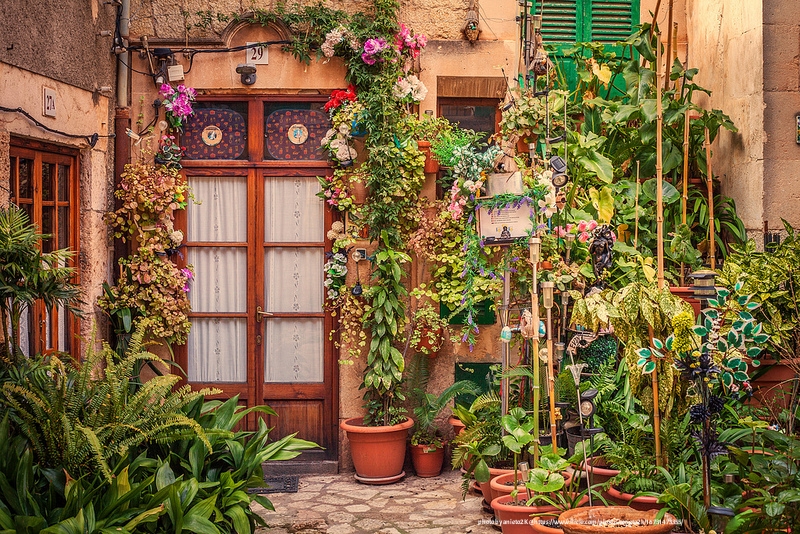
- Aesthetic Appeal: Containers can beautify any area with their colors and textures.
Choosing the Right Containers
When it comes to selecting containers, think about both function and style. Your choice can greatly affect your plants’ growth and your enjoyment.
Types of Containers to Consider
- Plastic Pots: Lightweight and easy to handle.
- Ceramic Pots: Attractive with a variety of designs but heavier.
- Wooden Planters: Great for rustic aesthetics but usually heavier and may require maintenance.
- Fabric Pots: Breathable and help with drainage, ideal for root health.
- Self-Watering Containers: Perfect for those who might forget to water regularly.
Size Matters
It’s crucial to choose the right size container for your plants. Small herbs can thrive in pots as small as 6 inches, while larger vegetables might need at least 12-18 inches in diameter. As a general rule of thumb, the bigger the plant, the bigger the container.
Choosing the Right Soil
Not all soil is created equal! Using high-quality potting soil is essential for container gardening success.
What to Look for in Potting Soil
- Drainage: Good potting soil should allow excess water to drain while retaining enough moisture for the roots.
- Nutrients: Look for a mix that includes fertilizers or organic matter like compost.
- Aeration: Soil should be light and fluffy, allowing air pockets for root health.
Selecting Plants for Your Container Garden
Choosing the right plants is like selecting the perfect guests for your party; you want a variety of characters yet harmonious together. Here are some ideas to get you started:
Herbs
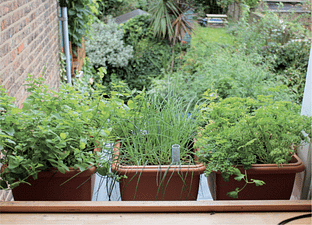
- Basil: Needs plenty of sunlight and is perfect for cooking!
- Mint: Grows rampant, so it’s best in a separate pot.
- Cilantro: Great for adding flavor to your dishes.
Vegetables
- Lettuce: Grows quickly and can be harvested multiple times.
- Tomatoes: Especially cherry tomatoes, are suitable for containers.
- Peppers: Varieties like jalapeños or bell peppers work well.
Flowers
- Petunias: Colorful and hardy, these brighten up any space.
- Marigolds: Excellent for pest control and easy to grow.
- Geraniums: Great for adding a pop of color with minimal care.
Sunlight Requirements
Different plants have different sunlight needs. Understanding this is critical for the health and productivity of your container garden.
Light Categories
- Full Sun (6-8 hours of sunlight): Choose plants like tomatoes, peppers, and most herbs.
- Partial Sun (4-6 hours): Many leafy greens and root vegetables thrive here.
- Shade (Less than 4 hours): Great for ferns, impatiens, and certain herbs like parsley.
Watering Your Container Garden
Consistency is key when it comes to watering your plants. Container gardens can dry out quicker than in-ground gardens, so regular attention is necessary.
General Guidelines
- Check Soil Moisture: Stick your finger about an inch into the soil. If it feels dry, it’s time to water.
- Water Thoroughly: Ensure water runs out of the drainage holes, promoting deep roots.
- Water Early or Late: Try to water in the morning or evening to reduce evaporation.
Fertilizing Your Plants
Even though you start with nutrient-rich potting soil, your plants will benefit from additional feeding as they grow.
Types of Fertilizers
- Granular Fertilizer: Slow-release options are convenient. Just sprinkle on top of the soil.
- Liquid Fertilizer: Great for quick nutrient boosts; follow the instructions carefully.
- Organic Options: Compost tea or fish emulsion provides a nutrient-rich alternative.
Pest and Disease Management
Just like any garden, your container garden can face challenges from pests and diseases. Keep an eye out for any signs of trouble!
Common Pests
- Aphids: Small insects that suck sap from plants. Use insecticidal soap or rinse them off with water.
- Spider Mites: Tiny pests that create webbing. Keep humidity high or use neem oil.
- Slugs and Snails: Can create havoc overnight. Handpick them or use barriers like crushed eggshells.
Seasonal Considerations
Understanding seasonal changes can help organize your container gardening activities throughout the year.
Spring Planting
Kick off your garden with cool-season crops. Think lettuce, spinach, and pansies. As the weather warms, add in tomatoes and peppers.
Summer Maintenance
Regular watering and fertilizing are essential during hotter months. You may also need to increase your pest control efforts during this time.
Fall Harvesting
By early fall, you can start harvesting your summer crops. This is also a great time to plant cool-season vegetables like kale and turnips.
Winter Care
For regions with harsh winters, consider bringing your containers inside or using frost covers. You could also explore growing indoors with grow lights!
Grouping Your Containers
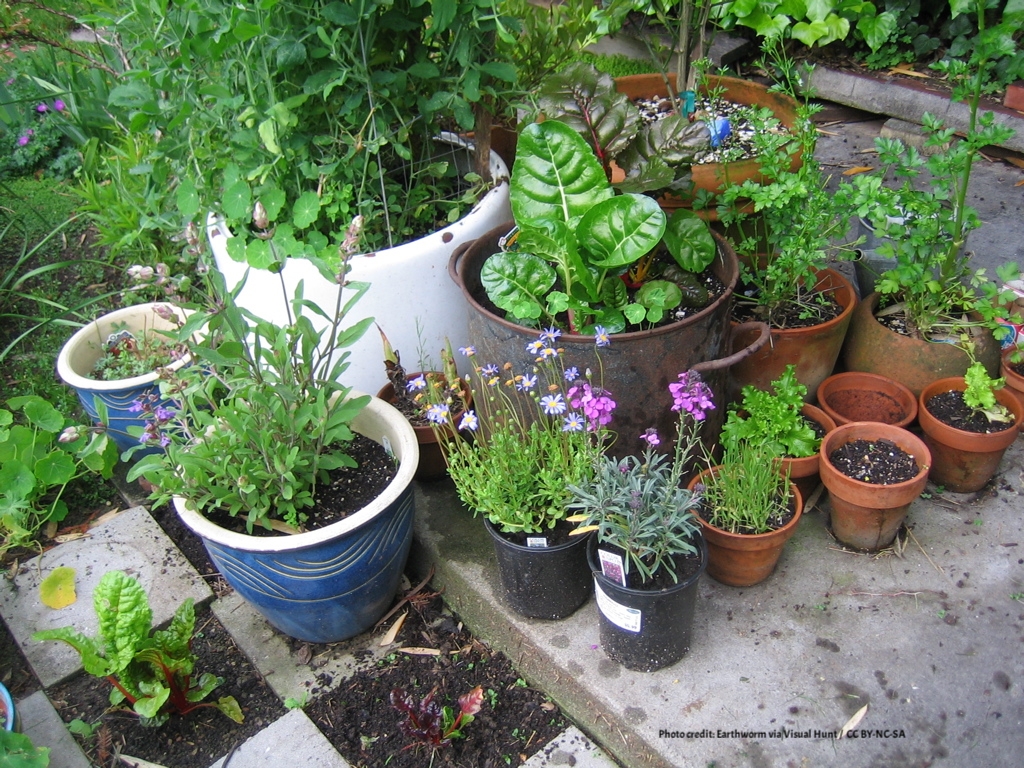
Arranging your containers can create a visually appealing setup while also benefiting the plants.
Considerations for Grouping
- Height Variation: Use taller plants at the back or center.
- Color Cohesion: Plan for complementary colors and textures.
- Sunlight Needs: Group plants with similar sunlight requirements.
Maintenance Tips for Your Container Garden
Like any relationship, your container garden requires ongoing care! Here are a few easy tips to keep everything in balance.
Regular Check-Ins
Spend a few moments each week examining your plants. Look out for any signs of distress, like yellowing leaves or stunted growth.
Clean and Refresh
Every few months, consider refreshing the top layer of your potting soil or switching out plants for the season. This keeps everything looking fresh and promotes plant health.
Creative Container Ideas
Tap into your creativity and think outside the box. You don’t always need traditional pots to enjoy container gardening!
Upcycled and Repurposed Containers
- Old Buckets: Perfect for rustic decor.
- Wooden Crates: They offer a charming industrial flair.
- Tin Cans: Decorate them for a quirky touch; just remember to poke holes for drainage.
Vertical Gardening
If space is a concern, consider going vertical! Use shelving units, hanging pots, or wall-mounted planters to maximize growth.
Community and Sharing
You don’t have to go through this journey alone! Community gardening or sharing tips with friends can enhance your experience.
Joining Local Groups
Look for local gardening clubs or online communities where you can exchange ideas, participate in workshops, and even swap plants.
Plant Swaps
Host or join a plant swap event where you can trade excess plants or seeds. It’s a great way to diversify your garden and meet fellow gardening enthusiasts.
Troubleshooting Common Issues
Even with tender care, container gardens can encounter challenges. Let’s tackle some common issues you may face.
Yellowing Leaves
This often indicates overwatering, nutrient deficiencies, or pest problems. Take a close look at your care routine and ensure proper drainage.
Stunted Growth
If your plants appear to be growing slowly, check for root-bound conditions or nutrient issues. You may need to re-pot or adjust your fertilizing schedule.
Soil Drying Out Too Quickly
Consider adding mulch or using a moisture-retentive potting mix to help retain moisture in hot, dry conditions.
Conclusion
Now that you’ve learned all the ins and outs of container gardening for small spaces, it’s time to put that knowledge to use! Remember, every container garden is unique and should reflect your personal style and preferences. You have the creativity and capability to produce beautiful flowers or delicious vegetables, no matter how limited your gardening space may be. So, gather your supplies, pick out your favorite plants, and let your container garden flourish!