What if you could nurture life right in your backyard? Gardening can be a rewarding and fulfilling hobby that brings not only beauty and vibrant colors to your outdoor space but also provides fresh produce for your table. If you’re curious about how to get started with gardening, you’ve come to the right place. This guide will walk you through everything you need to know as a beginner, taking you from dreaming of lush plants to cultivating your very own garden.
Understanding the Basics of Gardening
Before you dig into the soil and start planting, it’s important to have a solid understanding of what gardening involves. Gardening isn’t just about planting seeds; it’s about caring for plants, understanding their needs, and creating a vibrant ecosystem.
Why Garden?
Gardening offers numerous benefits. It can enhance your mental well-being, provide physical exercise, and even contribute to a healthier diet through homegrown fruits and vegetables.
- Mental Health: Spending time outdoors and engaging in nurturing activities can reduce stress and anxiety.
- Physical Activity: Gardening involves various physical tasks, from digging to watering, which can provide a great workout.
- Fresh Produce: Nothing beats the taste of freshly picked fruits and vegetables.
Types of Gardening
There are various styles of gardening, and it’s good to know what might align best with your interests and space.
| Type of Gardening | Description |
|---|---|
| Vegetable Gardening | Focused on growing edible plants such as vegetables and herbs. |
| Flower Gardening | Primarily involves growing flowers for aesthetics and decoration. |
| Container Gardening | Suitable for limited spaces involving pots and containers for plants. |
| Raised Bed Gardening | Involves planting in soil that is elevated, making it easier to maintain. |
| Hydroponic Gardening | Growing plants without soil, using nutrient-rich water instead. |
Choosing Your Garden Space
When starting your gardening journey, the first step is to choose the right location. Your garden’s success largely depends on where you decide to plant.
Sunlight Requirements
Plants need sunlight to thrive, but the amount required can vary. Generally, most vegetables and flowers prefer full sun, which means at least six to eight hours of direct sunlight daily.
- Full Sun: 6-8 hours of direct sunlight.
- Partial Sun: 4-6 hours of sunlight.
- Shade: Less than 4 hours of sunlight.
Check the sunlight patterns in your yard and decide which plants will do best in different areas based on your observations.
Soil Quality
The quality of your soil can make or break your gardening efforts. Good soil provides essential nutrients, retains moisture, and ensures proper drainage. To assess your soil:
- Texture: Loamy soil is ideal, as it retains moisture but drains well. Sandy soil drains quickly, while clay can hold too much water.
- Nutrient Content: You can test your soil using a home kit or send a sample to a lab for analysis.
Consider adding organic matter like compost to enrich your soil, which improves structure and nutrient availability.
Selecting the Right Plants
Choosing plants that suit your gardening style and your local climate is crucial.
Hardiness Zones
Your climate significantly impacts what you can grow. The USDA Plant Hardiness Zone Map divides the United States into zones based on average annual minimum temperatures. You can find your zone online to guide your plant selection.
Starting with Seeds or Plants
You can start your garden either with seeds or young plants (transplants).
- Seeds: Starting from seeds is cost-effective and allows for a wider variety of choices. However, they require more time and care initially.
- Transplants: These young plants are easier for beginners and give you a head start since they have already begun growing.
Choosing Easy-to-Grow Plants
If you’re new to gardening, consider starting with some beginner-friendly plants. Here are a few that are relatively low-maintenance:
| Type | Plant Options | Easy Maintenance Tips |
|---|---|---|
| Vegetables | Lettuce, Radishes | Water regularly and thin to prevent crowding. |
| Herbs | Basil, Mint | Keep them in well-draining pots and pinch back for growth. |
| Flowers | Marigolds, Zinnias | Deadhead for more blooms and provide enough sunlight. |
Planning Your Garden Layout
After selecting your plants, it’s time to plan your garden layout. This involves considering how much space each plant needs and how to maximize growth.
Row vs. Square Foot Gardening
You can choose between traditional row gardening or square foot gardening.
-
Row Gardening: This method involves planting in long rows, which is common for larger spaces and tends to be easier to manage if you have access to garden tools.
-
Square Foot Gardening: In this method, a raised bed is divided into smaller squares, allowing you to plant different types of plants in a compact area. This is efficient in space use and encourages variety.
Companion Planting
Some plants work well together, while others may compete for resources. Companion planting can increase yields, deter pests, and improve flavor.
- Good Companions: Basil and tomatoes help each other grow; marigolds can deter many insects.
- Avoid Planting: Onions and beans do not grow well when placed together.
Essential Gardening Tools
Having the right tools can significantly impact your gardening experience. Here are some must-have tools:
| Tool | Purpose |
|---|---|
| Hand Trowel | For digging, planting, and transplanting. |
| Pruning Shears | To trim plants and harvest vegetables. |
| Watering Can | For watering your plants efficiently. |
| Rake | To level soil and gather debris. |
| Garden Gloves | Protect your hands from dirt and injury. |
Investing in quality tools will make tasks easier and ensure your garden thrives.
Caring for Your Garden
Once your garden is in place, the real ongoing work begins. You need to nurture, protect, and maintain your plants.
Watering
Proper watering is essential but varies by plant type, weather conditions, and soil type. A few guidelines include:
- Early Morning: Watering in the early morning helps reduce evaporation.
- Deep Watering: It’s better to water deeply and less frequently rather than shallow watering every day. This encourages deeper root growth.
- Soil Check: Stick a finger into the soil; if the top inch feels dry, it’s time to water.
Weeding
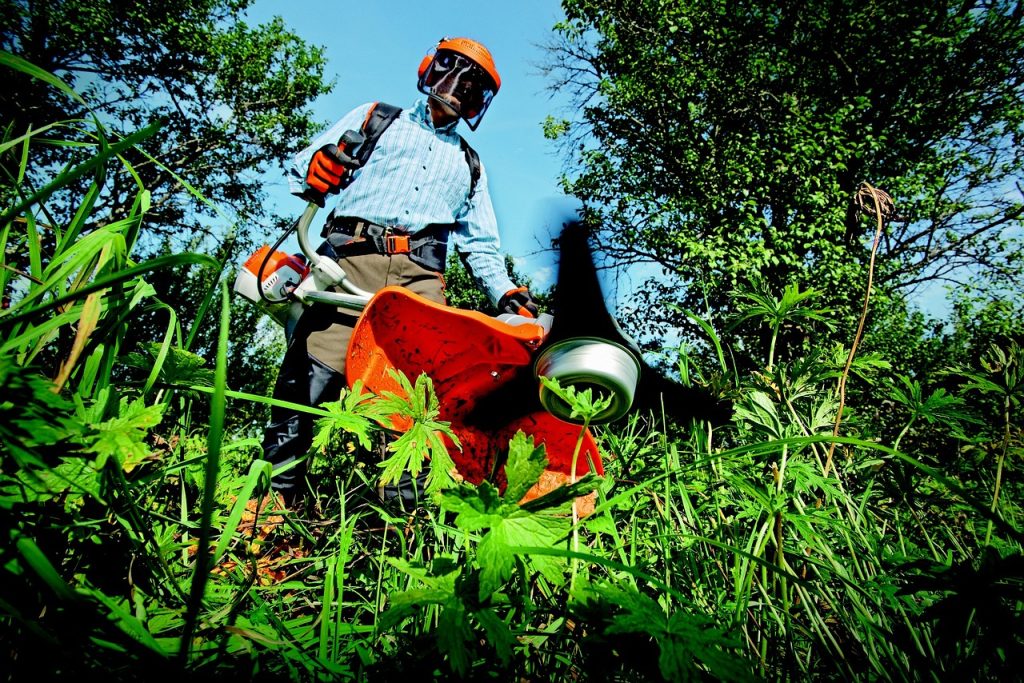
Weeds can compete with your plants for nutrients and water. Regular check-ins will help you catch them early. Here are a few tips:
- Mulching: Applying a layer of mulch can suppress weed growth.
- Hand-Weeding: Pull weeds by hand while the soil is moist, as it is easier to remove the entire root.
Fertilizing
As plants grow, they often need additional nutrients. Fertilization can come in many forms:
- Organic Fertilizers: Compost, fish emulsion, or well-rotted manure can add nutrients safely and sustainably.
- Chemical Fertilizers: These are available in various formulas but should be used according to package instructions to avoid over-fertilizing.
Pest and Disease Management
Garden pests and diseases can hamper your gardening efforts. Learning to identify and manage problems early on can save your garden.
Common Pests
Some common pests include aphids, beetles, and slugs. Here’s how to manage them:
- Aphids: Spray them off with a strong stream of water or use insecticidal soap.
- Beetles: Handpick them or use traps to reduce their numbers.
- Slugs: Diatomaceous earth sprinkled around plants can deter them.
Fungal Diseases
Fungal diseases, such as powdery mildew or blight, can destroy your plants. To prevent and manage these diseases:
- Good Air Circulation: Avoid overcrowding plants to encourage airflow.
- Proper Watering Techniques: Water at the base of the plants rather than overhead to keep leaves dry.
Harvesting Your Plants
After all the hard work, the most rewarding moment comes when it’s time to harvest.
When to Harvest
Knowing when to harvest can vary by plant. Generally:
- Vegetables: Harvest them when they reach full size but still tender. Many vegetables are best picked young.
- Fruits: They should be fully colored and slightly soft to the touch.
How to Harvest
Be gentle when harvesting to avoid damaging plants. Use clean hands or tools and prune fruits or vegetables at their stems.
Continuously Learning and Improving
Gardening is a journey, and every season brings new challenges and learning opportunities. Here’s how to remain engaged:
Keep a Garden Journal
Documenting what you plant, care for, and harvest helps track what works best for your garden. Be sure to note changes in weather and pest activity.
Join Community Groups
Connecting with local gardeners can offer great advice and shared experiences. Look for community gardens or online gardening forums where you can ask questions or share successes.
Experiment with New Varieties
Don’t hesitate to try new plants or gardening techniques season after season. Gardening is about creativity and finding what suits your preferences best.
Conclusion
Starting your gardening journey doesn’t have to feel overwhelming. With the right knowledge, tools, and a bit of patience, you can cultivate a beautiful and productive garden. Remember to enjoy the process and witness the miracles of nature unfold in your backyard. Each plant you nurture and each harvest you gather adds to the joy of gardening, making it a fulfilling experience that connects you with nature and your food supply. Happy gardening!