
Have you ever wondered how to create a beautiful garden without spending all your free time on maintenance? Wouldn’t it be great if there were flowers and plants that thrived with minimal care?
Understanding Low-Maintenance Gardens
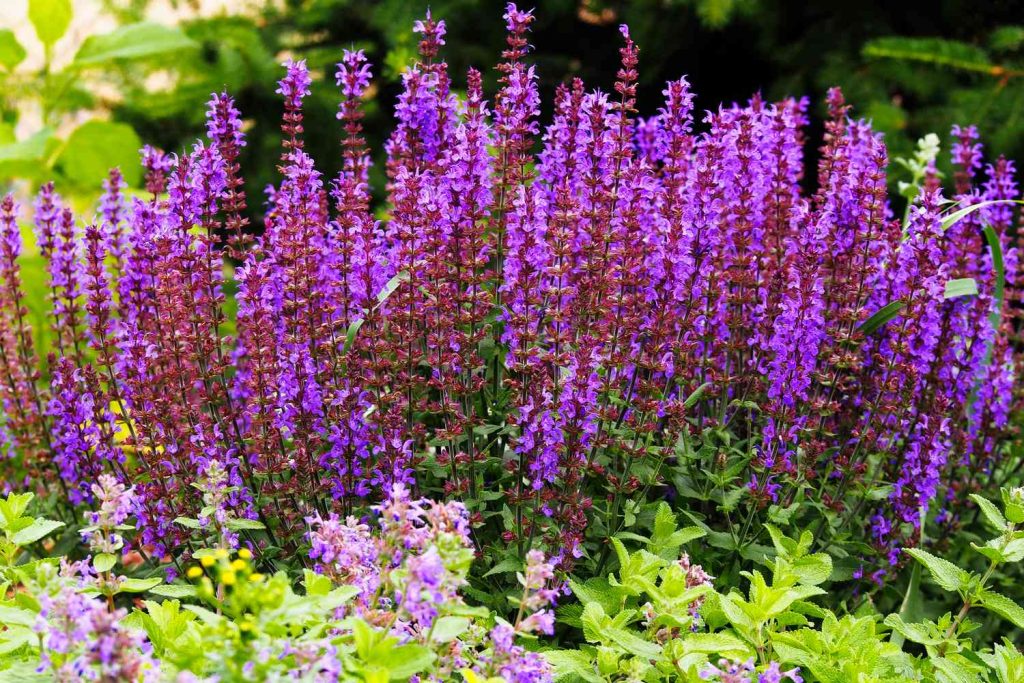
A low-maintenance garden is not just a dream; it’s a reality that many gardeners wish to achieve. By choosing the right plants, you can enjoy a stunning outdoor space without the constant upkeep. The key to success lies in selecting perennials that can withstand your local environment while requiring less water, pruning, and fertilization.
What Are Perennials?
Perennials are plants that live for more than two years. Unlike annuals, which must be replanted each year, perennials return season after season, often becoming more robust and beautiful over time. They provide a fantastic foundation for a low-maintenance garden because they often adapt easily to their surroundings.
Benefits of Perennials in Low-Maintenance Gardens
Choosing perennials offers several advantages. Firstly, they can save you time and money in the long run since you won’t need to replant every year. Secondly, many perennials are drought-resistant, meaning you’ll spend less time watering. Lastly, these plants can provide consistent beauty and interest in your garden.
Choosing the Right Perennials
When selecting perennials for a low-maintenance garden, consider your local climate, soil type, and the sun/shade conditions of your space. Here are some recommended perennials that thrive with minimal care.
1. Daylilies (Hemerocallis)
Daylilies are robust, adaptable plants that bloom profusely with little effort. Their colorful blooms last just a day, but they continually produce new flowers throughout the growing season.
Care Tips
- Plant in well-drained soil.
- Water during dry spells, but they’re drought-tolerant once established.
- Remove spent flowers to promote more blooms.
2. Sedum (Sedum spp.)
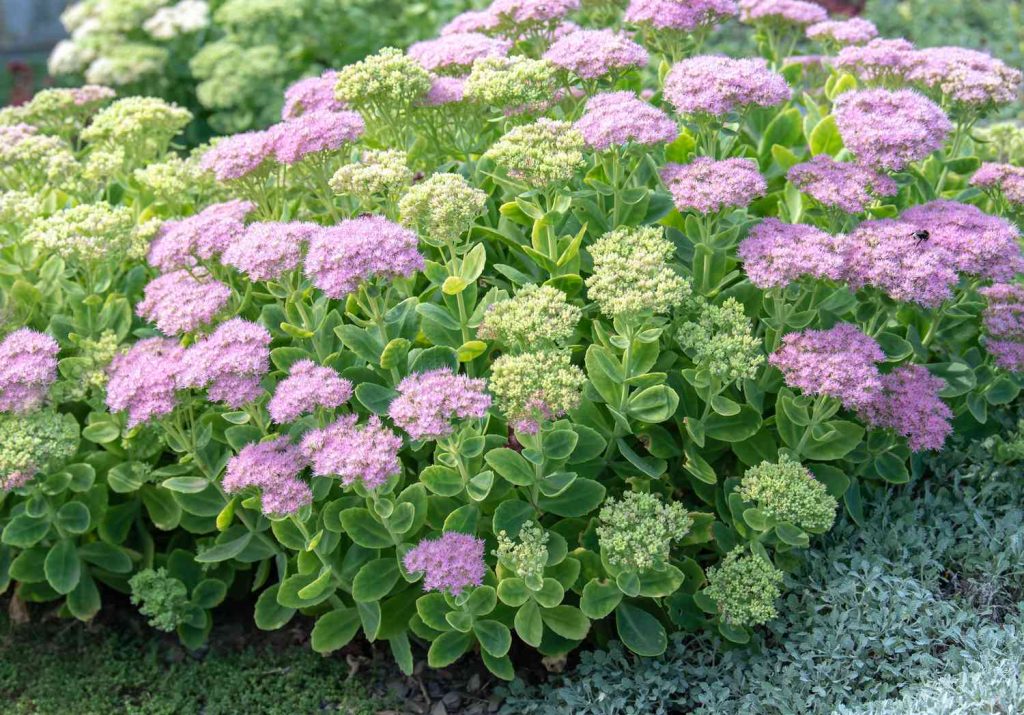
Sedum, also known as stonecrop, is a succulent that thrives in poor soils and needs minimal water. With vibrant colors and varied heights, these resilient plants are perfect for rock gardens or borders.
Care Tips
- Plant in full sun with good drainage.
- Avoid overwatering; they thrive on neglect.
- Divide every few years for better growth.
3. Black-Eyed Susan (Rudbeckia)
With their sunny, golden-yellow petals and dark centers, Black-Eyed Susans add a cheerful vibe to any garden. They bloom from summer to fall, attracting pollinators like bees and butterflies.
Care Tips
- Grow in full sun and well-drained soil.
- Tolerate drought but prefer moderate watering.
- Deadhead spent blooms to encourage more flowers.
4. Lavender (Lavandula)
Lavender not only produces beautiful flowers but also emits a delightful fragrance that can enhance your garden experience. It’s perfect for creating borders or enhancing pathways.
Care Tips
- Plant in full sun and sandy, well-draining soil.
- Water sparingly once established as they’re drought-tolerant.
- Prune lightly after blooming to maintain shape.
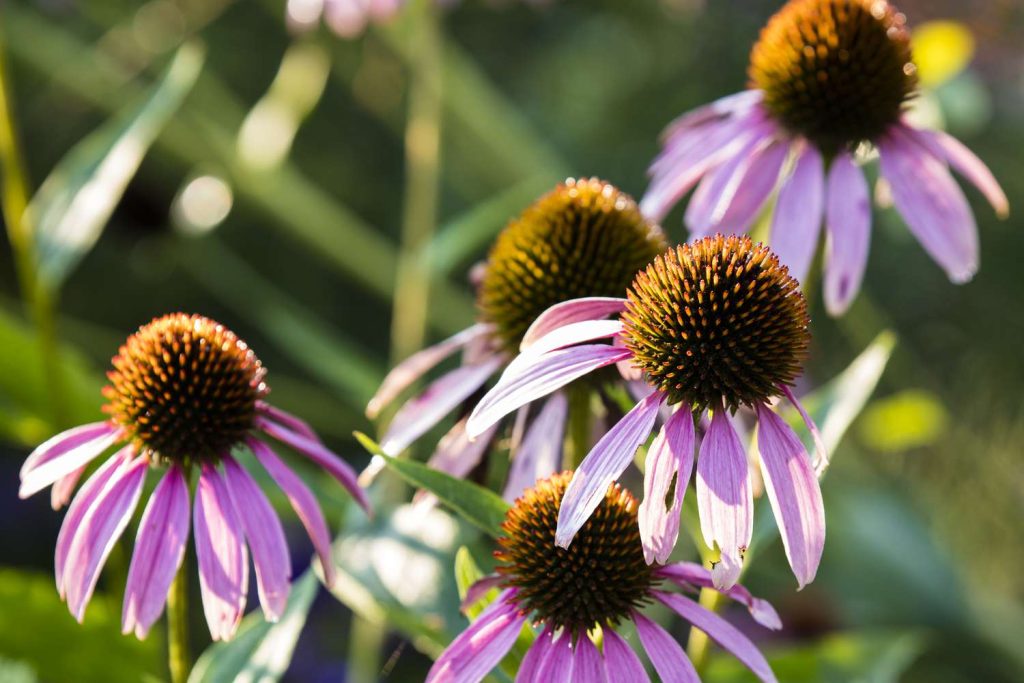
5. Coneflower (Echinacea)
Coneflowers are truly stunning perennials known for their rose-pink petals and prominent brown centers. They are hardy and thrive in various conditions.
Care Tips
- Prefer full sun and well-drained soil.
- They’re drought-resistant but appreciate some watering during prolonged dry spells.
- Divide them every few years to promote growth.
6. Pulmonaria (Lungwort)
Pulmonaria stands out for its attractive foliage and early spring flowers. It can tolerate shade and is perfect for adding color to those hard-to-fill spots in your garden.
Care Tips
- Thrive in partial to full shade and moist, well-drained soil.
- Water regularly but avoid standing water.
- Dividing every few years helps manage growth.
7. Phlox (Phlox paniculata)
Phlox is a perennial that offers vibrant colors and a wonderful fragrance. They attract butterflies and hummingbirds, adding a lively aspect to your garden.
Care Tips
- Plant in sunny to partially shady areas.
- Keep the soil consistently moist.
- Remove spent flowers for prolonged blooming.
Incorporating Low-Maintenance Perennials in Your Design
Once you’ve selected the right perennials, it’s time to plan their placement in your garden. Here are a few design principles to keep in mind when incorporating these plants.
Grouping by Similar Needs
Group your perennials based on their water and sunlight needs to simplify maintenance. For instance, combine drought-tolerant plants in a dry area and moisture-loving plants together in a wetter spot.
Layering Plants
To add depth and interest, layer your plants by height. Place taller perennials like coneflowers and phlox at the back of borders, while shorter varieties like daylilies and sedums can fill in the front.
Consider Seasonal Interest
Select a mix of perennials with varying bloom times. This way, your garden remains lively throughout the growing season. For example, you can start with lungwort’s early spring flowers and transition through summer blooms like daylilies to fall displays of asters.
Create a Focal Point
Identify a focal point in your garden, such as a statue or a trellis, and design your perennial planting around this feature. This not only creates visual interest but also helps draw the eye and add character.
Maintenance Tips for Your Low-Maintenance Garden
While these perennials require less attention than other plants, they still need some care to keep them thriving. Here are a few maintenance tips.
Watering
Establish a good watering routine, especially for newly planted perennials. Ensure they receive adequate moisture during their first year but gradually encourage deeper rooting by reducing water frequency as they mature.
Mulching
Adding a layer of mulch around your perennials can significantly reduce weeds and help retain moisture in the soil. It also gives your garden a clean and tidy appearance.
Fertilizing
Many low-maintenance perennials don’t require much fertilization. A simple application of a balanced fertilizer in early spring can provide them with the nutrients they need. Avoid over-fertilizing, as this can lead to excessive growth that may require more maintenance.
Pruning
Most perennials need minimal pruning. Deadheading spent flowers and removing any damaged leaves will keep your plants looking their best. A light trim in late fall or early spring can also help prepare them for the new growth season.
Pest and Disease Management
While perennials are often hardy, keeping an eye out for pests and diseases will help maintain the health of your garden. Common issues include aphids, powdery mildew, and root rot. Implementing good cultural practices and choosing disease-resistant varieties can mitigate these concerns.
Creating a Sustainable Low-Maintenance Garden
Building a low-maintenance garden doesn’t just benefit you; it can also be good for the environment. Here are some ways to incorporate sustainability into your gardening practices.
Native Plants
Consider incorporating native perennials that are already well-adapted to your local climate. These plants generally require less water and are more resistant to pests and diseases, providing a self-sustaining ecosystem for local wildlife.
Rain Gardens
If you have areas prone to pooling water, a rain garden filled with moisture-loving perennials can help capture and filter rainwater. This practice not only reduces runoff but also enhances biodiversity.
Composting
Creating a compost pile and using compost in your garden can improve soil health and reduce the need for synthetic fertilizers. Having rich, organic soil encourages robust growth in perennials.
Conclusion: Enjoying Your Low-Maintenance Garden
Creating a low-maintenance garden filled with beautiful perennials is entirely achievable. By choosing the right plants and incorporating sustainable practices, you can have a blooming oasis that requires minimal effort. Imagine spending leisurely afternoons in your garden, enjoying the vibrant colors and delightful fragrances rather than toiling away with constant upkeep.
With a bit of planning and consideration, you can create a garden tailored to your lifestyle, allowing you to indulge in nature’s beauty without compromising your time and energy. Take the leap into easy gardening, and your green space will flourish—both in its beauty and in your peace of mind.