Have you ever thought about how much fun gardening can be for kids? It’s not just a way to get your hands dirty; it’s an opportunity to learn, explore, and connect with nature. Whether you have a backyard, a balcony, or just a sunny window, gardening can be a delightful experience for children of all ages.
The Benefits of Gardening for Kids
Gardening offers an array of wonderful benefits for kids that extend far beyond just planting seeds. Engaging with plants can enhance their physical, emotional, and cognitive development.
Physical Benefits
Gardening is an excellent way for kids to get physical activity. From digging holes to planting seeds to watering plants, every task involves movement. This kind of activity helps build strength, coordination, and flexibility, making it a wholesome exercise that keeps kids active.
Emotional Benefits
Spending time in nature has a calming effect, which can be particularly beneficial for children who may experience anxiety or stress. Watching plants grow and caring for them instills a sense of responsibility and accomplishment. It can also ignite their creativity as they design their gardening spaces and imagine the vibrant outcomes.
Cognitive Benefits
Gardening also promotes learning. Kids can learn about biology as they study the life cycles of plants, photosynthesis, and the role of insects in nature. This hands-on activity fosters curiosity and critical thinking. Plus, gardening often involves math skills—measuring spaces, counting seeds, and keeping track of growth—which makes it a great way to sneak in some educational fun.
Getting Started with Gardening
So, how can you set the stage for a successful gardening venture? Here are some tips to get you started on the right foot.
Choosing the Right Location
Finding the perfect spot for your garden is crucial. Look for an area that receives adequate sunlight, preferably around 6-8 hours a day, and that’s easily accessible for little hands. If you don’t have much space outdoors, remember that container gardening can also work wonders.
Picking the Right Time
Timing is everything in gardening. Spring is generally the best time for planting most vegetables and flowers. However, you can start planning your garden anytime, even in winter! This preparation can involve reading about plants or drawing layouts for garden design.
Gathering Supplies
Before you start digging, make sure you have the right tools and materials. Here’s a simple list of what you might need:
| Item | Purpose |
|---|---|
| Trowel | For digging and planting seeds |
| Hand rake | To loosen soil |
| Watering can | For watering plants |
| Seeds or seedlings | To grow plants |
| Gardening gloves | To protect little hands |
| Labels | To mark different plants |
| Compost or soil | For healthy plant growth |
Fun Gardening Activities for Kids
Involving kids in fun gardening activities is a fantastic way to keep them engaged and excited about nature. Here are some enjoyable ideas:
Seed Starting
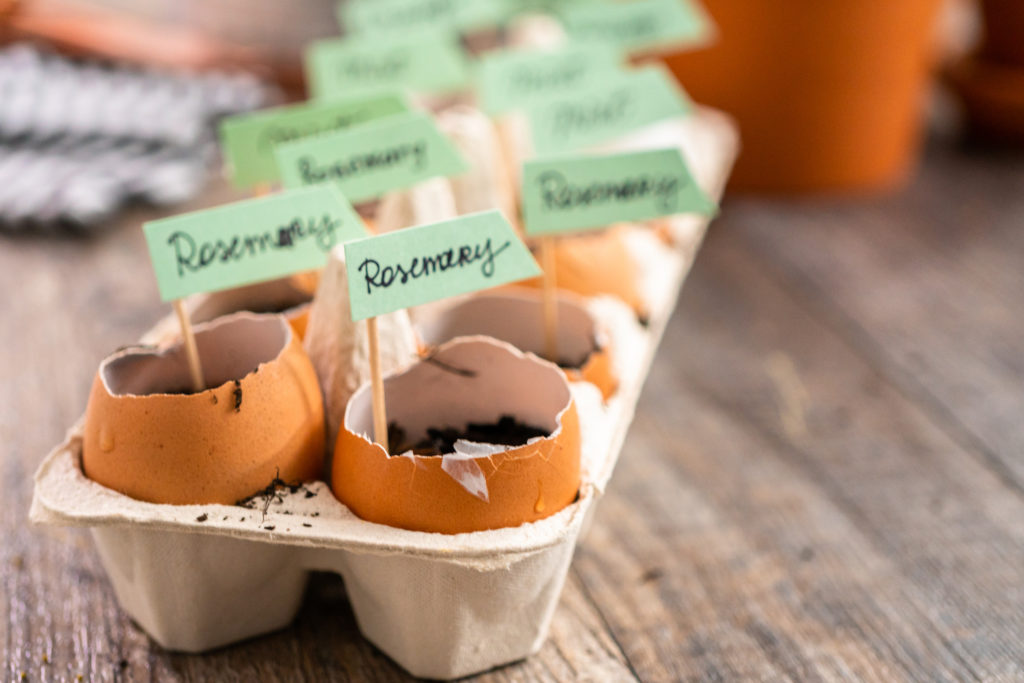
Starting seeds indoors is stimulating and educational. You and your kids can plant seeds in small pots and observe their growth. This activity teaches patience while introducing the concept of germination.
- Fill small pots with potting soil.
- Plant a seed according to the instructions on the package.
- Water gently and place them in a sunny location.
- Make a chart to track their growth progress.
Creating a Garden Journal
Encourage your kids to create a garden journal. They can document the plants they’ve grown, their observations, and the changes they’ve seen over time. This cultivates writing skills and helps them reflect on their gardening journey.
- Include drawings, pressed flowers, or photographs.
- Write about what worked well and what didn’t.
- Have kids set goals for what they want to grow next.
Planting a Rainbow Garden
One exciting project is to create a rainbow garden, choosing plants that represent each color of the rainbow. This activity not only beautifies your yard but also teaches children about color.
- Choose seeds or plants such as red tomatoes, orange marigolds, yellow sunflowers, green bell peppers, blue lupines, indigo petunias, and violet pansies.
- As kids plant, discuss the colors and how they contribute to a vibrant garden.
Nature Scavenger Hunt
Turn gardening into an adventure with a nature scavenger hunt. Create a list of common garden items and see how many your kids can find. This encourages exploration and observation.
| Item to Find | Description |
|---|---|
| Different types of leaves | Observe shape and texture |
| Insects | Identify types and colors |
| Seeds | Collect various shapes |
| Flowers | Note colors and fragrances |
Easy-to-Grow Plants for Kids
Choosing plants that are easy to grow is key to keeping children motivated and excited. Here’s a list of some fantastic plants that are perfect for little gardeners.
Vegetables
-
Radishes: These grow quickly and are ready to harvest in about 3-4 weeks. The taste encourages kids to try new veggies!
-
Carrots: Planting carrot seeds is fun, and as they grow, kids will be eager to dig them up.
-
Cherry Tomatoes: These sweet, bite-sized fruits are deliciously rewarding. They can be grown in containers, making them perfect for any space.
Herbs
-
Basil: Growing basil is simple, and kids can enjoy using it in the kitchen! It grows quickly in good sunlight.
-
Chives: These are easy to grow, and their mild onion flavor makes them a fantastic addition to all kinds of dishes.
-
Mint: Known for its fragrant leaves, mint is fun to grow and can be used in snacks and drinks.
Flowers
-
Sunflowers: Kids love watching these tall flowers grow, and they can even collect seeds to plant next year.
-
Marigolds: These bright flowers are easy to care for and attract beneficial insects to the garden.
-
Zinnias: These colorful blooms grow quickly and are perfect for cutting and bringing indoors.
Teaching Responsibility through Gardening
Gardening is an excellent way to teach kids about responsibility. They learn that plants need regular care, which can translate to other areas of their lives.
Watering and Maintenance
Set up a watering schedule. Let your child take charge of watering the plants on certain days. This routine reinforces responsibility as they see how watering affects plant growth. It also emphasizes the importance of consistency.
Weeding
Teaching kids to identify weeds versus plants is crucial. Make weeding a game by timing how fast they can clear a section of the garden. Recognizing weeds not only helps plants thrive but also teaches decision-making skills.
Composting
Introduce kids to composting and the concept of recycling. Create a compost bin to make use of kitchen scraps, like fruit and vegetable peels. Kids can learn the value of eco-friendly practices and see how compost leads to healthier plants.
Safety First in the Garden
Safety is essential when gardening with kids. Here are some key points to keep in mind.
Tools
Always supervise children when using tools. Encourage them to use child-sized tools, which are safer and more comfortable for their hands.
Sunscreen and Hydration
Ensure kids wear sunscreen and stay hydrated while working outdoors. Teach them to take breaks and find shaded areas to rest.
Pest Control
Discuss safe methods for controlling pests. Instruct children not to touch any insects without knowing if they’re safe, and to avoid using chemical pesticides whenever possible.
Celebrating the Harvest
After all the hard work, celebrating the harvest is a fantastic way to wrap up the gardening season. Here are some enjoyable ways to acknowledge your achievements.
Family Cooking Night
If you’ve grown vegetables or herbs, invite the family for a cooking night. Use your harvest as the main ingredient for a special meal. Kids will take pride in what they’ve grown and learn about where their food comes from.
Garden Party
Host a small garden party. Invite friends and family to admire your efforts, showcasing your hard work and the vibrant flowers and plants you’ve nurtured.
Creating Dried Flower Bouquets
If you’ve grown flowers, consider making dried bouquets. This shows kids how to appreciate the beauty of what they’ve grown even after the season is done.
Continuing the Gardening Journey
Gardening doesn’t have to end with a single season. Encourage children to think about how they can continue their gardening journey year-round.
Indoor Gardening
Try growing indoor plants during the winter months. Herbs like basil and chives can be grown indoors with proper lighting.
Seasonal Gardening
Plan a new garden for each season. Different crops and flowers signify changes in the year and provide continuous learning opportunities.
Community Gardens
Consider getting involved in a local community garden. This not only expands gardening knowledge but also introduces kids to teamwork and community spirit.
Conclusion
Gardening for kids is an enriching journey filled with fun, learning, and personal growth. By nurturing plants, children develop a strong connection to nature and learn critical life skills along the way. From choosing the right plants to celebrating their harvest, every step is an opportunity for discovery and joy. So, are you ready to grab those gardening gloves and let the gardening adventures begin?