What do you love most about gardening? Is it the thrill of watching seeds sprout, the joy of harvesting fresh vegetables, or perhaps the relaxation that comes with nurturing plants? No matter what it is that draws you to this fulfilling hobby, understanding what to plant each season can significantly enhance your gardening experience. Let’s find the best seasonal gardening tips to ensure a thriving garden throughout the year.
Understanding Seasonal Gardening
Gardening can be as much a science as it is an art. Each season brings specific climate conditions that influence what you can successfully grow. By adapting your planting schedule to the seasons, you can maximize your garden’s yield and achieve a vibrant array of plants.
Spring: The Season of Awakening
As winter melts away, spring heralds a time of rejuvenation. This is when the soil warms up and the days start to get longer, creating ideal conditions for planting.
What to Plant in Spring
In spring, focus on planting:
| Plants | Notes |
|---|---|
| Cool-Season Vegetables | Such as lettuce, spinach, and peas thrive in cooler temperatures. |
| Herbs | Basil, cilantro, and parsley do well in spring and are great for seasoning your dishes. |
| Flowers | Pastel spring flowers like pansies and snapdragons add vibrant colors to your garden. |
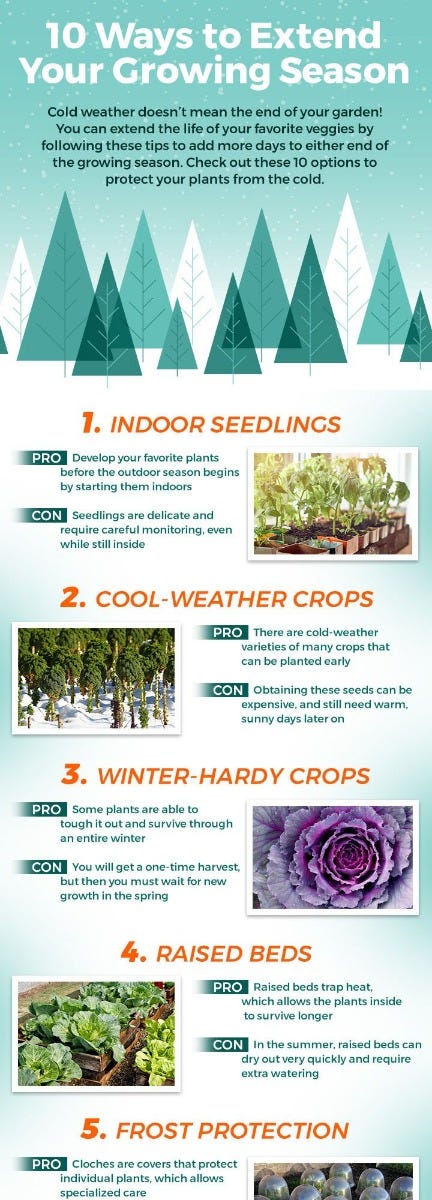
It’s important to keep an eye on the weather, as late frosts can still occur in early spring. To give your plants a cozy start, consider using row covers to provide protection during chilly nights.
Summer: The Time to Thrive
Once spring has fully sprung, summer becomes the season of growth. With warmer temperatures and longer sunlight hours, this is when you can see your hard work start to pay off.
What to Plant in Summer
During the summer, consider these options:
| Plants | Notes |
|---|---|
| Warm-Season Vegetables | Tomatoes, peppers, and squash flourish in the heat. |
| Herbs | Oregano, thyme, and rosemary love sunny spots. |
| Late-Summer Flowers | Sunflowers and zinnias can be planted for a lively garden. |
To keep your plants healthy during the hot months, don’t forget to water regularly and mulch around the base to help retain moisture. Also, prune any dead leaves to encourage better airflow.
Fall: The Harvest Season
As summer days start to fade, fall turns the garden into a bounty of colors and flavors. This is also a crucial time for planting certain crops that will continue growing as temperatures drop.
What to Plant in Fall
In fall, you can plant:
| Plants | Notes |
|---|---|
| Cool-Season Vegetables | Broccoli, cabbage, and kale can withstand cooler temperatures. |
| Garlic and Onions | Plant these in fall for a spring harvest. |
| Perennials | This is an ideal time for planting perennials to establish roots before winter. |
As the temperatures begin to drop, use protective measures such as frost cloths to shield any young plants. Also, this is a perfect time to clean up your garden by removing any dead foliage.
Winter: Planning and Preparing
When the frost settles in, gardening can seem like a stark endeavor. However, winter serves an essential role in gardening by giving you time to plan.
What to Focus on in Winter
During the colder months, focus on:
| Activities | Notes |
|---|---|
| Planning Your Garden Layout | Sketch out what you want to plant next season and where. |
| Soil Improvement | Use this time to enrich your soil with compost and organic materials. |
| Indoor Gardening | Start herbs or flowers indoors to get a head start for spring. |
Even though you may not be planting outside, your winter gardening efforts will pay off when the growing season returns.
Seasonal Gardening Tips for Success
Now that you’ve got a sense of what to plant in each season, let’s dig into some seasonal gardening tips that can help you see the best results from your efforts.
Timing is Everything
Understanding your local climate and planting zone is vital for timing your planting correctly. Consult a gardening calendar specific to your region to follow seasonal benchmarks accurately. This can save you time and frustration down the line.
Soil Health
Healthy soil leads to healthy plants. Ensure you are regularly testing the pH and nutrient levels of your soil, making amendments as necessary. Adding organic matter such as compost enriches the soil, promoting better growth across all seasons.
Choose the Right Plants
When picking plants, consider your climate and your garden’s sunlight conditions. Some plants require full sun while others thrive in shade. Keep this in mind to make the best selections for your garden’s unique environment.
Companion Planting
Certain plants can benefit from growing near each other, often enhancing flavor or repelling pests. Examples include:
| Companion Pairing | Benefits |
|---|---|
| Tomatoes and Basil | Basil can enhance the flavor of tomatoes while repelling pests. |
| Carrots and Onions | Onions can deter pests that harm carrots. |
| Marigolds and Most Vegetables | Marigolds repel nematodes and other harmful insects. |
Implementing companion planting can lead to healthier plants and increased yields.
Pest Management
Keep an eye on your garden for pests that can disrupt your plants’ growth. Try natural techniques first—like introducing beneficial insects or using organic repellents—before resorting to chemicals. Regularly inspecting your plants can help you catch any issues early.
Water Wisely
Proper watering is key, especially during the hotter months. Water your plants early in the morning or late in the afternoon to reduce evaporation. Ensuring deep watering helps your plants develop strong root systems.
Keep Learning
Gardening is an ongoing journey, and there’s always more to learn. Keep a gardening journal where you can note what you’ve planted and how it performed. Joining local gardening clubs or online communities can also provide valuable insights and tips from experienced gardeners.
Seasonal Gardening Checklist
To keep your seasonal gardening organized, consider the following checklist for each season:
Spring Checklist
- Test soil and amend when necessary
- Plant cool-season vegetables
- Start herbs indoors
- Prepare garden beds
Summer Checklist
- Water plants thoroughly and regularly
- Harvest vegetables and herbs
- Prune plants as needed
- Apply mulch around plants
Fall Checklist
- Plant fall crops and perennials
- Clean up garden debris
- Prepare beds for winter
- Plan next year’s garden layout
Winter Checklist
- Test soil for next season
- Amend soil and improve with compost
- Start indoor herbs or seedlings
- Research new plants or techniques
By following season-specific tips and planting guides, you can create a restorative and fruitful garden that reflects the beauty of each season. Embrace the changes each season brings, and remember that even in the quiet winter months, gardening brings joy and anticipation for what’s to come.
The Joy of Seasonal Gardening
There’s something wonderfully gratifying about seasonal gardening. It’s a cycle that teaches patience, creativity, and sustainable living. Each season brings its unique challenges and rewards, resulting in a dynamic space that continues to evolve. By planting with the seasons in mind, not only do you yield bountiful harvests, but you also cultivate resilience, beauty, and harmony in your outdoor space.
Don’t shy away from experimenting. Each garden is unique, reflecting your personal touch. The key is to get started and enjoy the journey—all while celebrating the fruits of your labor, one season at a time!
Happy gardening!