Are you thinking about starting your own vegetable garden? Whether you have a big backyard or a small balcony, growing your own vegetables can be both rewarding and fun. There’s something incredibly satisfying about planting seeds, nurturing them, and finally harvesting fresh produce that you’ve grown yourself. Let’s walk through the basics of vegetable gardening from seed to harvest, so you can start your gardening journey with confidence!
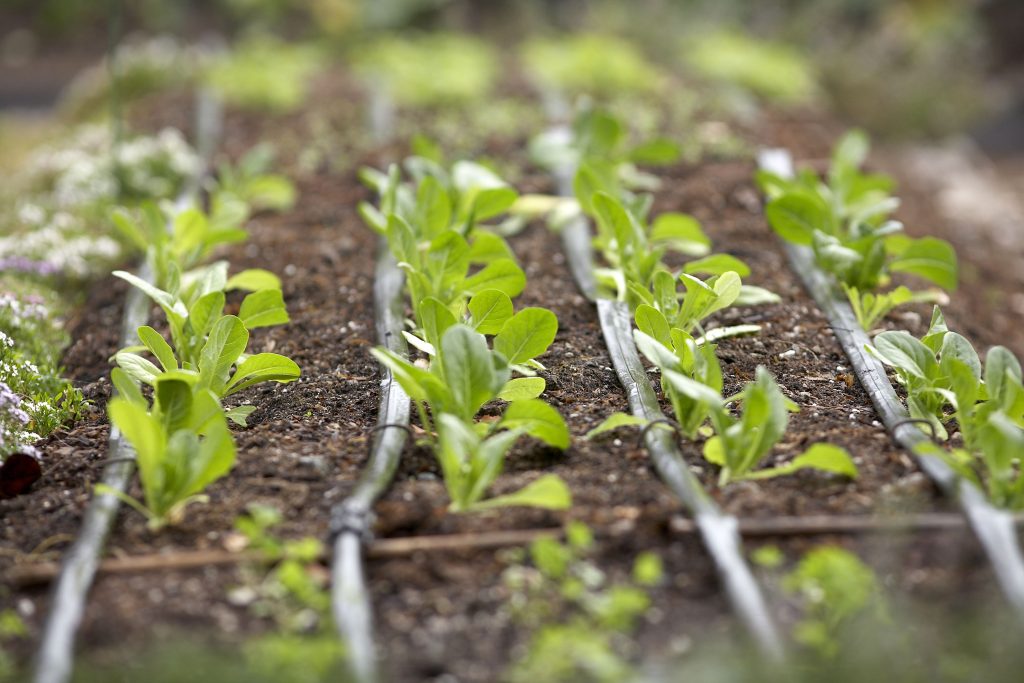
Getting Started: The Basics of Vegetable Gardening
Starting a vegetable garden may seem daunting, but it’s all about understanding the essentials and taking it step by step. Let’s look at what you need to know to get your garden off to a great start.
Understanding Your Space
The first thing to consider is the space you have available. Do you have a large garden, a small backyard, or perhaps just a few pots on your porch? Your space will dictate what you can grow.
- Garden Beds: If you have a large area, you can create designated garden beds. They allow you to organize your plants and make it easier to manage weeds and pests.
- Containers: If you have limited space, container gardening can be a perfect solution. Just about any pot can become a home for your vegetables as long as it has drainage holes.
Choosing the Right Location
Determining where to position your garden is crucial. Look for a spot that receives at least 6 to 8 hours of sunlight each day. Vegetables thrive in sunny conditions, and proper sunlight exposure will enhance their growth.
Knowing Your Soil
Healthy soil is the foundation of a fruitful garden. You want soil that is rich in nutrients, well-drained, and has a good structure.
- Testing Your Soil: Consider using a soil test kit to check for pH and nutrient levels. Most vegetables grow best in slightly acidic to neutral soil (pH 6.0 to 7.0).
- Improving Soil Quality: You might want to amend your soil with organic matter such as compost, which can help improve its fertility and structure.
Planning Your Garden: Selecting Vegetables
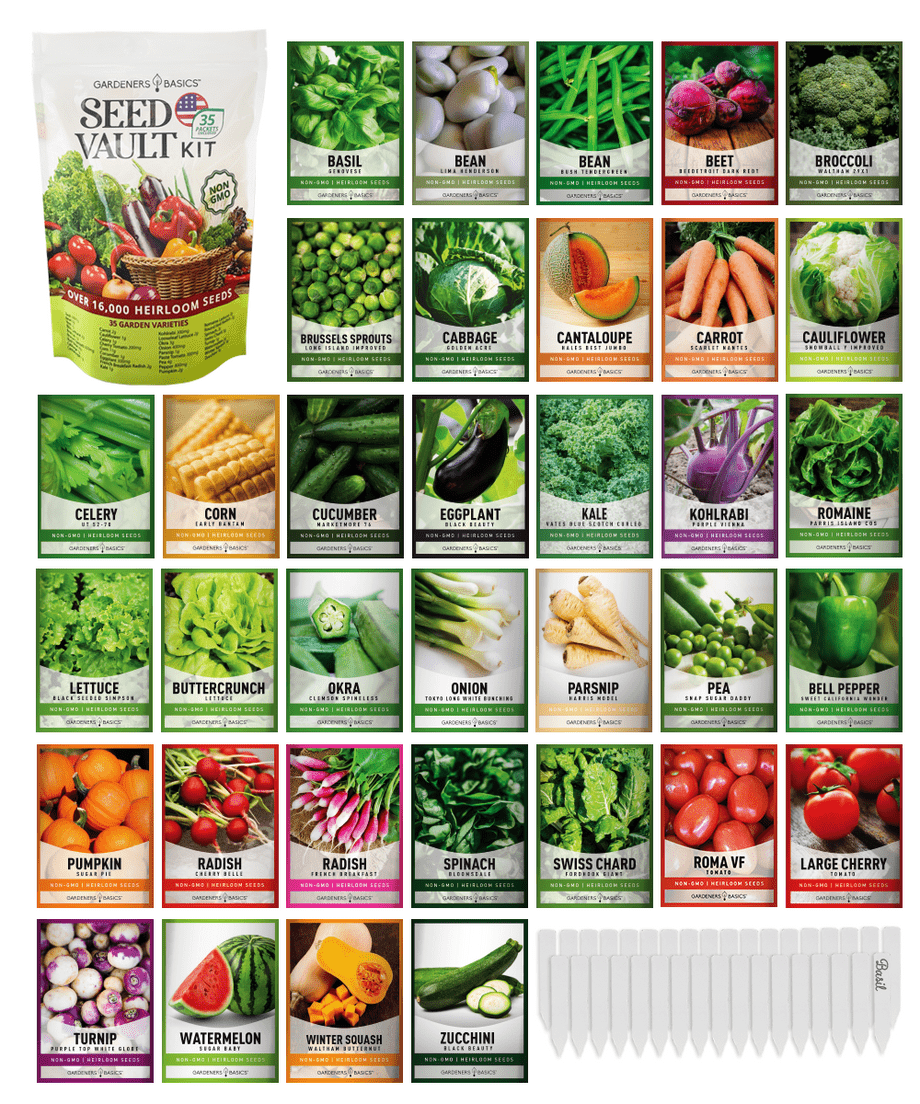
Now that you understand your space and soil, it’s time to decide what to grow. It’s important to choose vegetables that you and your family enjoy eating, as well as those that suit your climate and space.
Popular Vegetables for Beginners
If you’re new to gardening, you may want to start with these easy-to-grow vegetables:
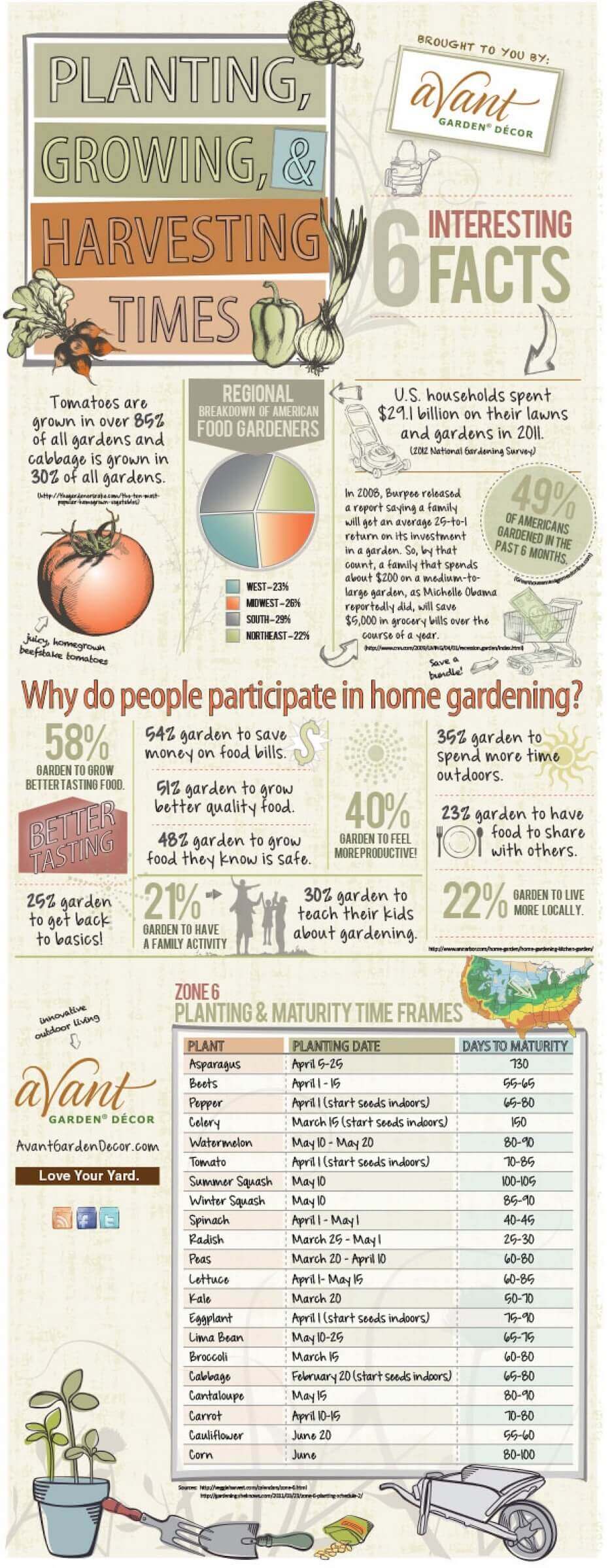
| Vegetable | Growing Season | Days to Harvest |
|---|---|---|
| Lettuce | Cool season | 30-80 |
| Radishes | Cool season | 20-30 |
| Zucchini | Warm season | 45-60 |
| Tomatoes | Warm season | 60-100 |
| Carrots | Cool season | 70-80 |
| Green Beans | Warm season | 50-60 |
Considering Your Climate
Different vegetables flourish in varying climates. Research your hardiness zone and choose vegetables that are appropriate for your area. This ensures that your plants will thrive throughout the growing season.
Preparing for Planting: Seeds vs. Seedlings
Once you’ve selected your vegetables, it’s time to decide whether to start from seeds or seedlings (young plants).
Starting from Seeds
Starting from seeds can be cost-effective and gives you a wide selection of varieties.
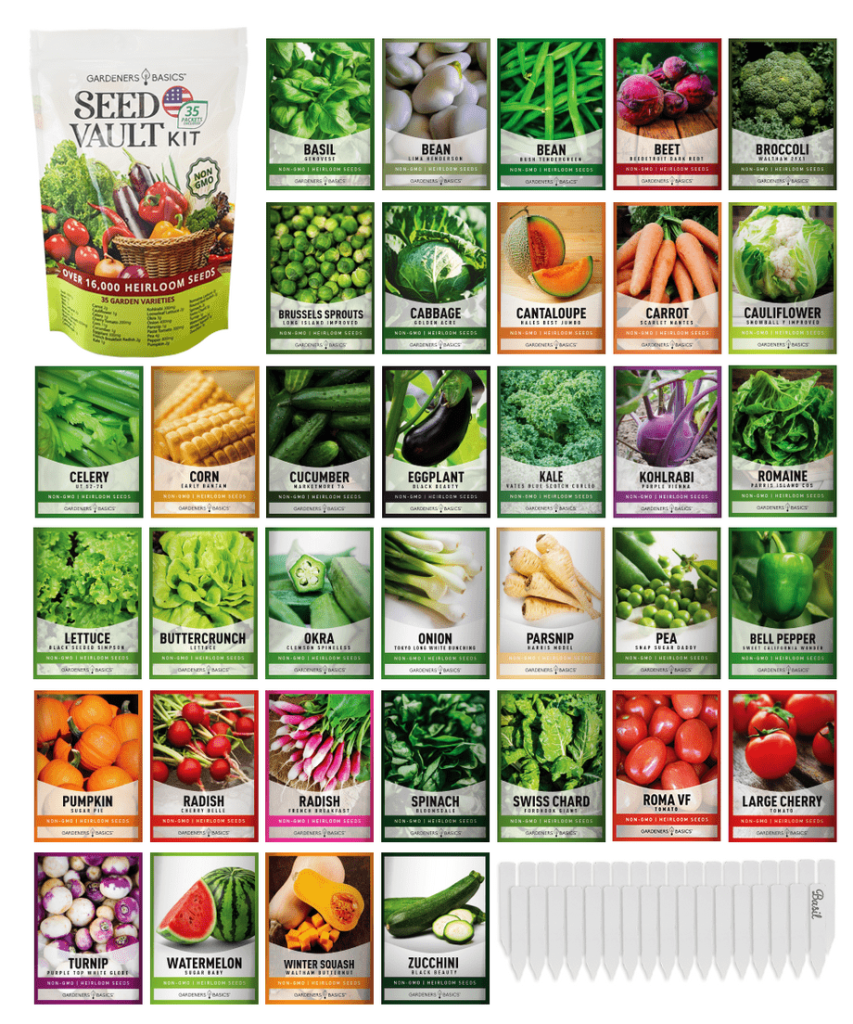
- Starting Indoors: If you live in a region with a short growing season, you might want to start seeds indoors a few weeks before the last frost. Use seed trays or peat pots with a good seed-starting mix.
- Transplanting Outdoors: Once your seedlings are big enough and the weather has warmed up, you can transplant them outdoors.
Purchasing Seedlings
Buying seedlings from a nursery can save you time and provide you with healthy plants. This method is especially helpful for beginners who are still uncertain about germinating seeds.
Planting Techniques: Spacing and Depth
With your seeds or seedlings ready, it’s time to plant! Correct spacing and planting depth are crucial for healthy growth.
Seed Depth and Spacing
Refer to the seed packet for specific instructions on planting depth and spacing. As a general rule:
- Seeds: Plant them at a depth that is about 2 to 3 times their width, and ensure you space them adequately to reduce competition for nutrients and sunlight.
- Seedlings: Transplant seedlings carefully, making sure their root balls are just below the soil surface.
Using Mulch
Applying mulch around your plants has several benefits:
- Retains moisture
- Keeps weeds at bay
- Regulates soil temperature
Choose organic mulches like straw, grass clippings, or shredded leaves for the best results.
Watering Your Garden: The Right Techniques
Watering is an essential aspect of gardening that can make or break your efforts. Understanding when and how to water can significantly influence your plants’ health.
When to Water
You want to keep the soil consistently moist but not soggy. Water your garden in the morning to reduce evaporation and give your plants a good start to the day.
How to Water
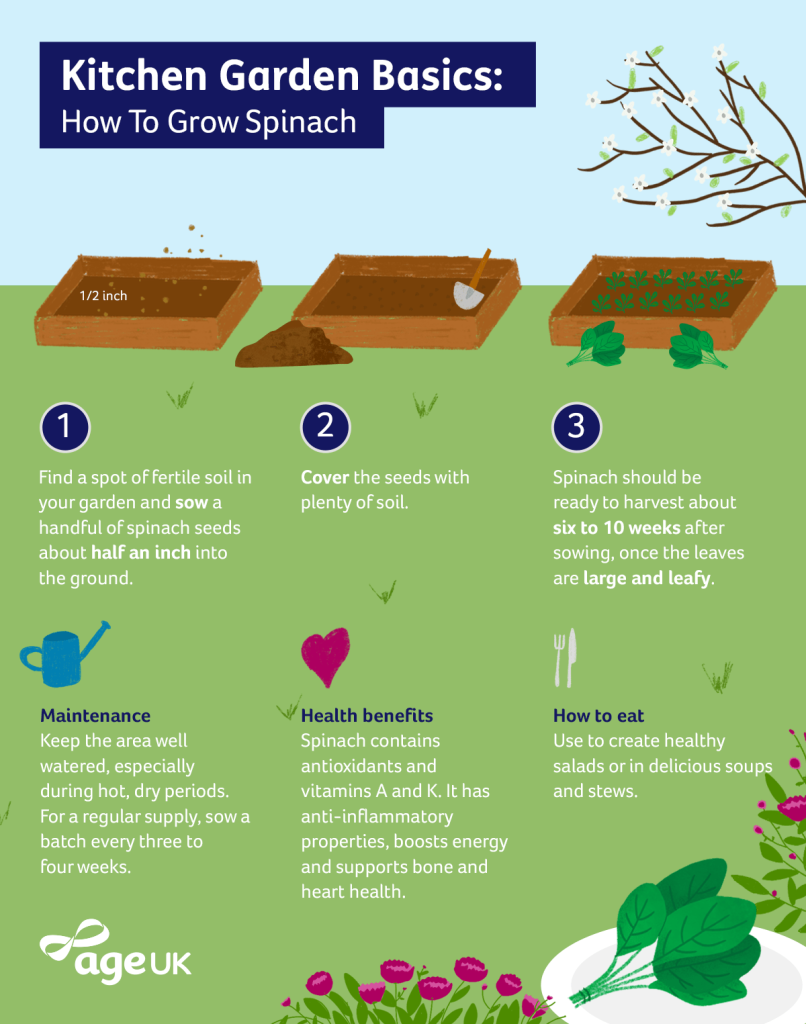
- Soaker Hoses: These provide a slow, steady flow of water and deliver it directly to the soil, minimizing evaporation.
- Watering Cans or Hoses: If you’re using these methods, water at the base of the plants, avoiding wetting the leaves, which can lead to disease.
Signs of Underwatering or Overwatering
Keep an eye on your plants. If the leaves are wilting or turning yellow, it might indicate issues with watering — either too much or too little.
Fertilizing: Feeding Your Plants
To encourage strong growth, you’ll need to fertilize your garden. Understanding the different types of fertilizers and when to use them is key.
Types of Fertilizers
- Granular Fertilizers: These are slow-release and can provide continued nutrients over time. Apply them according to package instructions.
- Liquid Fertilizers: These provide an immediate boost of nutrients. They can be applied every few weeks during the growing season.
When to Fertilize
Most vegetables benefit from fertilization every 4-6 weeks during the growing season, but always check the specific requirements for the vegetables you are growing.
Pest Control: Protecting Your Garden
Every gardener faces the challenge of pests. Learning to manage pests effectively helps protect your garden.
Preventive Measures
One way to combat pests is through prevention. Consider these techniques:
- Companion Planting: Some plants can naturally repel pests when grown together. For example, marigolds deter nematodes, and basil can repel flies and mosquitoes.
- Creating Habitats: Encourage beneficial insects like ladybugs and lacewings by providing habitats. These insects help control harmful pests naturally.
Organic Pest Control
If you do encounter pests, there are organic methods to address them:
- Neem Oil: This natural pesticide can help control a variety of pests without harming beneficial insects.
- Insecticidal Soap: A mild option for controlling soft-bodied insects like aphids.
Always remember to follow instructions carefully when using any pest control methods.
Weeding: Keeping Your Garden Clean
Weeds can be a nuisance, competing with your vegetables for nutrients and water. Regular weeding is essential to maintaining a healthy garden. Here’s how you can manage them effectively:
Manual Weeding
Weed by hand or use a hoe, especially when they are small. Try to remove the entire root to prevent regrowth. It’s best to weed after a rain when the soil is moist.
Mulch as a Weed Barrier
As mentioned earlier, applying mulch can help suppress weeds significantly. The layer of mulch will block sunlight, making it difficult for weeds to germinate.
Harvesting Your Vegetables: The Anticipated Reward
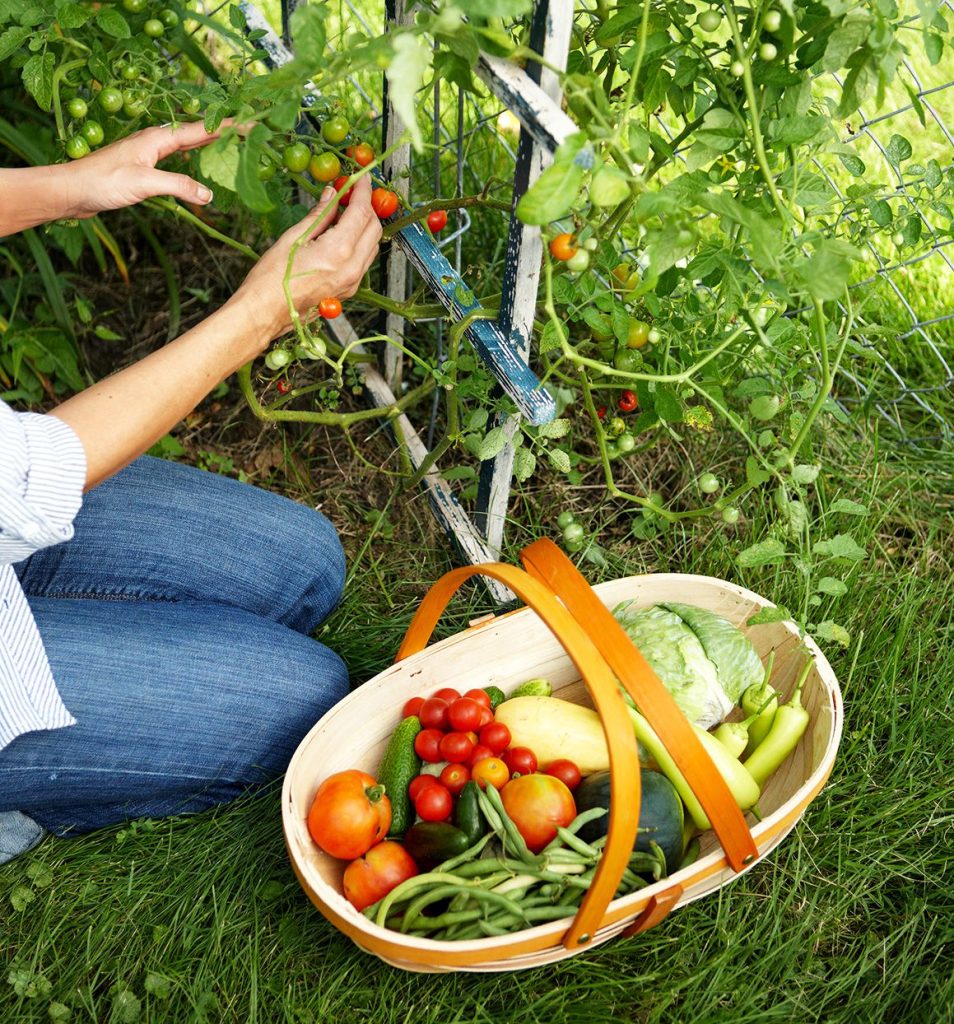
After all the hard work of planting, watering, fertilizing, and weeding, the moment you’ve been waiting for is finally here — it’s time to harvest your vegetables!
When to Harvest
Timing is essential when it comes to harvesting. Each vegetable has a specific maturity time. Refer to your seed packets for guidance.
- Don’t Wait Too Long: Harvesting at the right time ensures peak flavor and the best texture.
- Regular Harvesting: Frequent harvesting encourages plants like beans and zucchini to produce more.
How to Harvest
Use clean, sharp tools to avoid damaging your plants. Gently twist or cut the produce, and make sure to put your harvest in a cool, dry place right away to maintain freshness.
Post-Harvest Care
After you’ve harvested, you might wonder what to do next.
Storing Your Harvest
Proper storage will help your vegetables last longer. Some general tips include:
- Refrigerate: Leafy greens and certain vegetables like peppers and carrots should be kept in the refrigerator.
- Keep Dry: Ensure vegetables are dry before storing to prevent rot.
Composting
Don’t throw away plant remnants! Consider starting a compost pile to recycle your vegetable scraps and leftover plant materials. Compost enriches your garden soil, promoting healthier future crops.
Expanding Your Gardening Skills
If you’ve had success with your first vegetable garden, you may want to expand your skills and try new techniques next season.
Crop Rotation
This technique involves changing the types of vegetables planted in a particular area each year to improve soil health and reduce disease.
Growing Herbs and Flowers
Adding herbs can enhance your vegetable dishes, while flowers attract helpful pollinators to your garden. Plus, they can add beauty to your gardening space!
Joining a Community Garden
Consider joining a community garden or gardening club. This allows you to learn from other gardeners, share experiences, and even swap seeds.
Conclusion: Enjoy Your Gardening Journey
Embarking on your vegetable gardening journey is an exciting and fulfilling experience. While there will be challenges along the way, growing your own food is immensely rewarding. From plucking fresh vegetables from your garden to enjoying meals made with your harvest, the joy and satisfaction are well worth the effort.
Remember, gardening is a learning process. Each season brings new lessons and opportunities for improvement, so keep experimenting and enjoying the outdoors. Soon, you’ll not only master the basics but also develop your gardening style! Happy gardening!