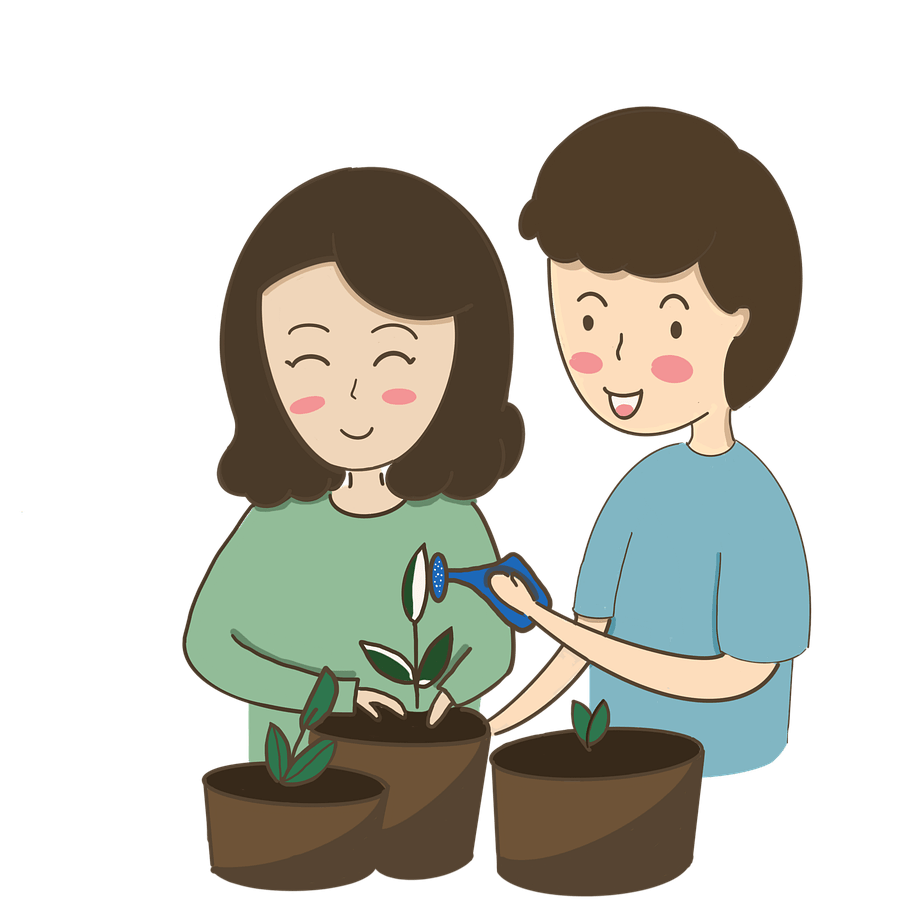
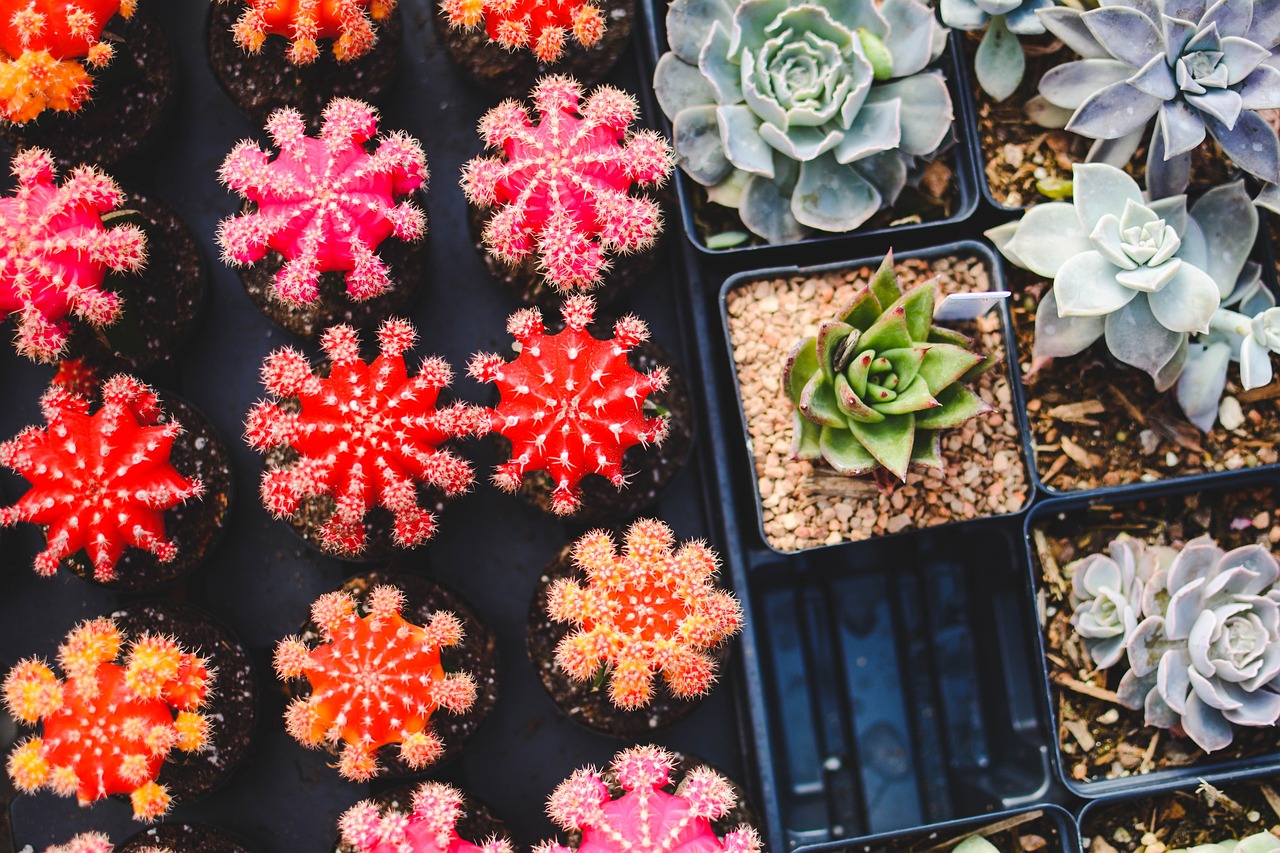
Have you ever wondered why your garden isn’t thriving as you hoped it would? You’re not alone—many gardening enthusiasts run into common mistakes that can hinder their plants’ growth. But don’t worry; you’re here to learn how to avoid these pitfalls and create a flourishing garden.
Understanding Common Gardening Mistakes
Gardening can be a joyful and rewarding hobby, but it comes with its fair share of challenges. Identifying mistakes you might be making is the first step toward achieving the vibrant garden you desire. Here, we’ll outline the top ten gardening mistakes and provide practical advice to help you steer clear of them.
1. Skipping Soil Testing
Soil is the foundation of any garden. Many gardeners skip the crucial step of soil testing, which can result in poor plant health. Testing your soil helps you understand its pH, nutrient levels, and composition.
How to Test Your Soil
You can use a home testing kit from gardening stores or send a sample to a local agricultural extension office. Here’s a simple table to help you understand what to look for:
| Soil Element | Ideal Range | Effect of Imbalance |
|---|---|---|
| pH | 6.0 – 7.5 | Nutrient deficiencies or toxicities |
| Nitrogen | Varies | Poor growth, yellow leaves |
| Phosphorus | Varies | Weak roots, poor fruiting |
| Potassium | Varies | Weak stems, poor disease resistance |
2. Overwatering or Underwatering
Finding the right balance in watering is crucial. Too much water can suffocate roots and lead to rot, while too little can cause wilting and eventual death.
Tips for Proper Watering
- Check Soil Moisture: Stick your finger into the soil; if the top inch is dry, it’s time to water.
- Water Deeply: When you do water, ensure you soak the roots and not just the surface.
- Adjust for Weather: More water may be needed during hot spells, while rainy periods will require less.
3. Planting at the Wrong Time
Timing can make or break your gardening success. Planting too early or too late can expose your plants to frost or harsh conditions they aren’t equipped to handle.
Best Practices for Timing
- Know Your Zone: Understand your USDA hardiness zone to choose appropriate planting times.
- Use a Calendar: Keep a gardening calendar that notes when to start seeds indoors and when to transplant outside.
4. Ignoring Sunlight Requirements
Plants thrive in different light conditions, yet many gardeners neglect to consider these needs. Placing shade-loving plants in direct sunlight can stress or kill them.
Finding the Right Spot
- Observe Light Patterns: Spend time in your garden to see where sunlight falls throughout the day.
- Read Plant Labels: Use plant tags as a guide for full sun, partial shade, or shade requirements.
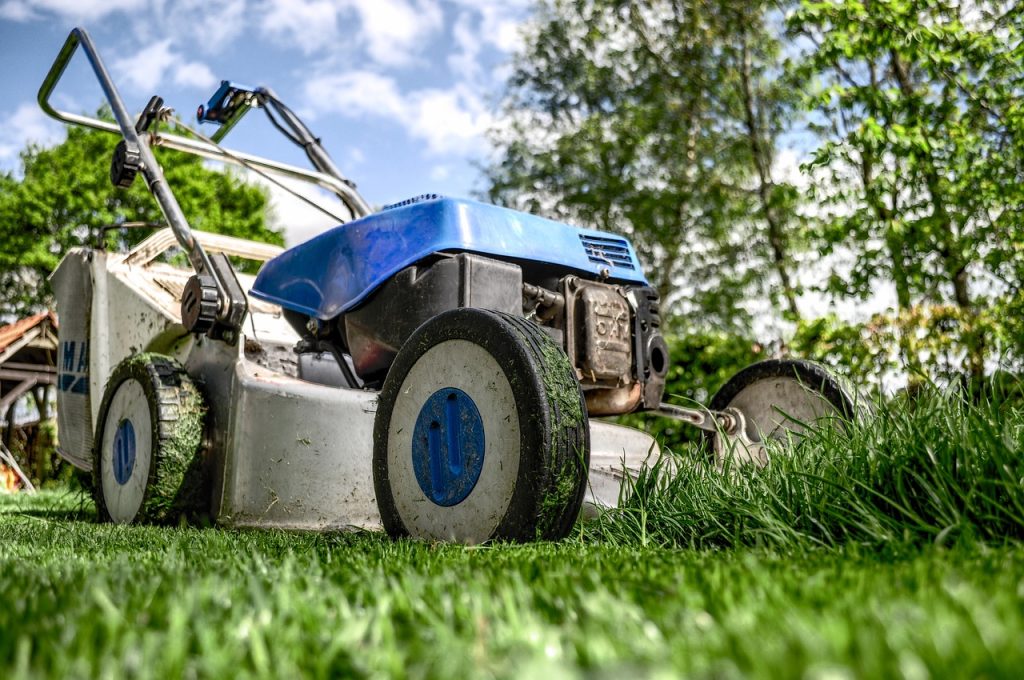
5. Not Maintaining Equipment
Your gardening tools play an important role in your success. Neglecting them can lead to poor performance and could even harm your plants.
How to Care for Your Tools
- Clean After Use: Dirt and residue can transfer diseases.
- Sharpen Blades: Dull tools make for messy cuts and can harm plants.
- Store Properly: Keep tools in a dry place to prevent rust.
6. Planting Too Closely
It can be tempting to pack your plants closely together to maximize space, but this leads to competition for nutrients, water, and light.
Importance of Spacing
Refer to the guidelines provided on seed packets and plant labels for the best practices concerning spacing.
| Plant Type | Recommended Spacing |
|---|---|
| Tomatoes | 24 – 36 inches |
| Carrots | 2 – 4 inches |
| Peppers | 18 inches |
| Lettuce | 12 – 18 inches |
7. Failing to Fertilize
While soil testing may show nutrient levels, many gardeners overlook the importance of fertilizing. New plants, especially vegetables, require additional nutrients to flourish.
Choosing the Right Fertilizer
- Organic vs. Synthetic: Both have pros and cons—choose what aligns with your gardening philosophy.
- Follow Directions: Adhere to the guidelines on the package to avoid over-fertilization, which can harm plants.
8. Not Using Mulch
Mulching is an essential yet often overlooked practice that can conserve moisture, suppress weeds, and improve soil quality. Many gardeners simply forget to use it.
Types of Mulch
- Organic Mulch: Bark chips, straw, and compost enrich the soil as they break down.
- Inorganic Mulch: Gravel or plastic can help with weed control but won’t improve soil health.
9. Ignoring Pest Control
Pests can wreak havoc on your hard work if not managed properly. Many gardeners wait too long to act or rely only on chemical solutions.
Integrated Pest Management (IPM)
A balanced approach will help you maintain a healthy garden with less risk. Here are useful strategies:
| Strategy | Description |
|---|---|
| Monitoring | Regularly check plants for any signs of pests |
| Natural Predators | Encourage beneficial insects like ladybugs |
| Chemical Control | Use as a last resort, choosing targeted pesticides |
10. Neglecting Regular Maintenance
Gardening is not a one-time effort. Regular maintenance like weeding, deadheading, and pruning is essential to keep your garden thriving.
Schedule Your Tasks
- Daily: Look for pests or diseases.
- Weekly: Water and check growth.
- Monthly: Fertilize and clean tools.
Conclusion
By being mindful of these common gardening mistakes, you can cultivate a flourishing space filled with vibrant plants and bountiful harvests. Your garden is a reflection of your care and attention, so take the time to plan and maintain it well. Happy gardening!