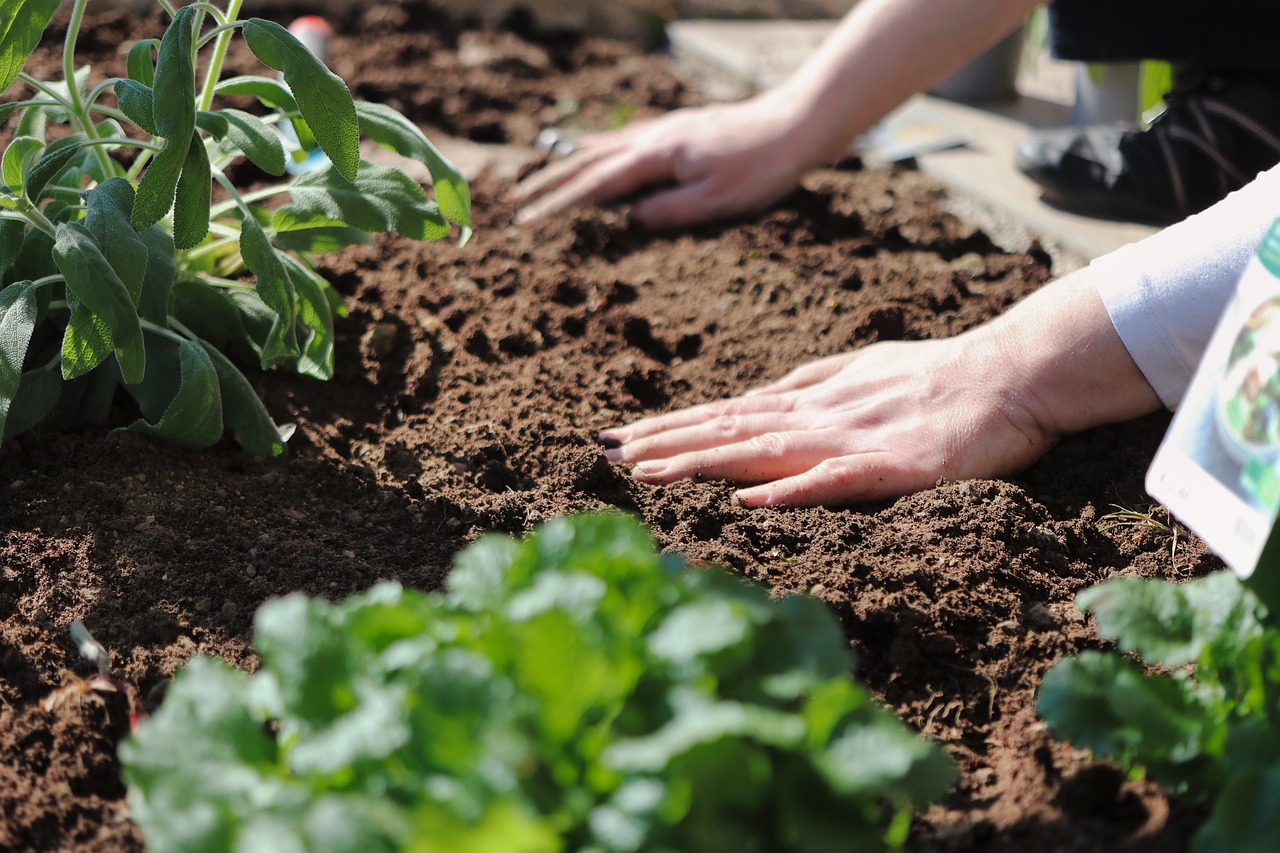
What if I told you that the secret to a thriving garden lies beneath your feet? Soil health is the cornerstone of any successful gardening venture, and understanding it can significantly improve the success of your plants. Let’s take a journey through the fundamentals of soil health and learn how you can cultivate your garden’s foundation.
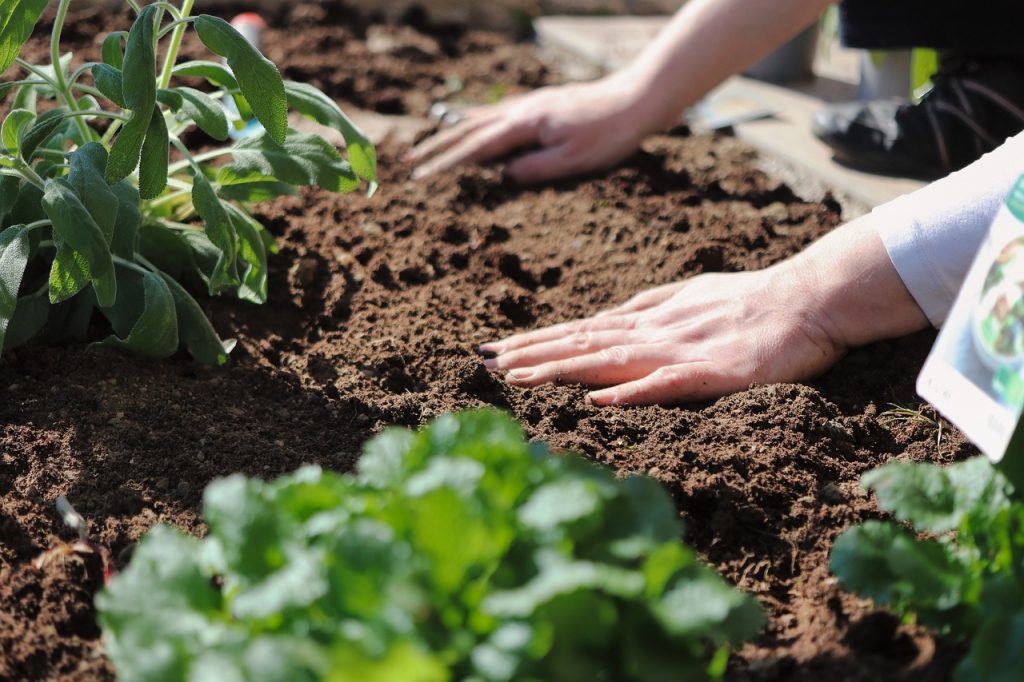
Understanding Soil Health
Soil health refers to the condition of the soil and its ability to support plants, animals, and humans. But what exactly makes soil “healthy”? It encompasses several factors including soil structure, nutrients, organic matter, and biological activity.
Components of Soil Health
-
Soil Structure
Soil structure is about how soil particles are arranged. Good soil structure promotes air circulation and water infiltration, which is essential for root growth. Think of it like the framework of a house; a well-structured soil supports a robust garden. -
Nutrient Availability
Plants need certain nutrients to thrive, including nitrogen, phosphorus, and potassium. Healthy soils provide these essential nutrients in a balanced way. You wouldn’t want to build a house without sufficient materials, right? A balanced supply of nutrients is just as critical for your plants. -
Organic Matter
Organic matter, such as decomposed leaves and compost, is crucial for improving soil health. It enhances soil structure, water retention, and nutrient availability. By adding organic matter, you’re essentially feeding your soil and, by extension, your plants. -
Biological Activity
The living organisms in the soil—fungi, bacteria, worms, and insects—play a pivotal role in breaking down organic matter and helping nutrient cycling. A vibrant soil ecosystem is like a busy city, providing various services that keep everything running smoothly.
Why Soil Health Matters
A healthy garden doesn’t just produce beautiful flowers or bountiful vegetables; it plays a vital role in the ecosystem. So, why should you care about soil health? Here’s what you need to know.
Environmental Impact
Healthy soils can reduce erosion, filter pollutants, and even store carbon, which helps to mitigate climate change. By focusing on soil health, you’re contributing to a more sustainable environment. This means that taking care of your garden can also take care of the planet.
Better Plant Growth
Plants grown in healthy soils are usually more robust and productive. They have better access to nutrients and water, which translates into more vigorous growth and greater resilience to pests and diseases. Just like any living thing, when plants have what they need, they flourish.
Cost-Effectiveness
Investing in soil health can lead to reduced costs over time. Healthy soil requires less fertilizer, irrigation, and pest control. So, while there might be upfront costs to improving your soil, the savings you gain in the long run will be worth it. It’s a bit like building a strong foundation for a home; it saves you money on repairs later.
Assessing Your Soil
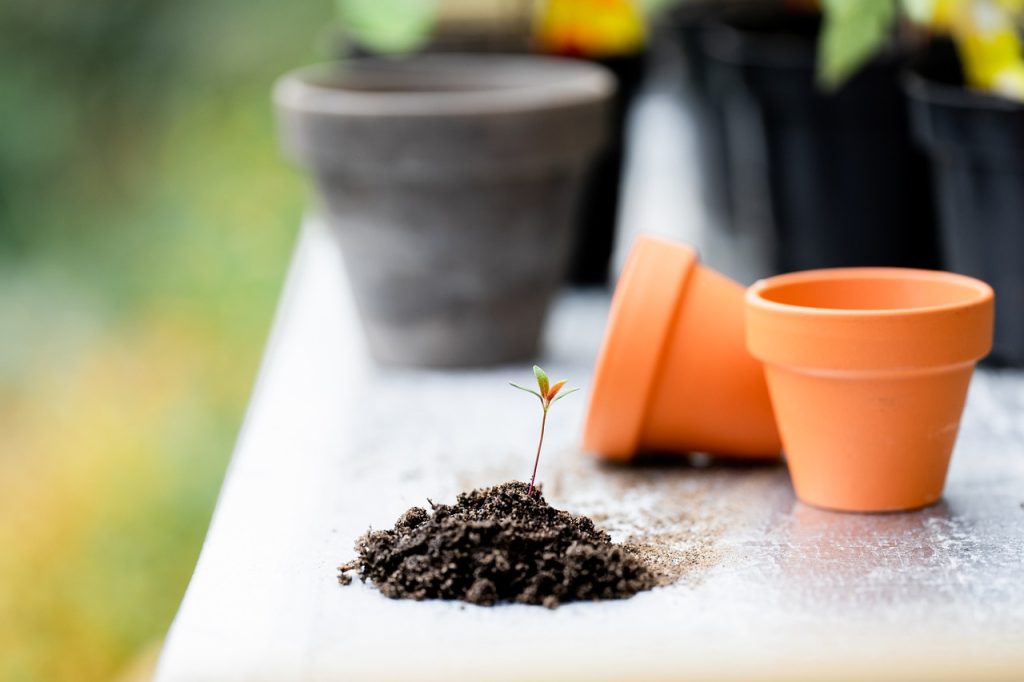
To get started on improving soil health, you need to assess your soil’s current condition. A thorough understanding of where you stand will make the journey ahead much smoother.
Soil Testing
Conducting a soil test is essential for understanding what nutrients your soil may be lacking or have in excess. This can involve sending samples to a laboratory or using DIY testing kits.
-
Collecting Samples
Take samples from different areas of your garden to get a representative view. Aim for about 6-8 inches deep to capture the root zone. -
Testing for Nutrients
Look for a test that covers pH levels, nitrogen, phosphorus, potassium, and organic matter content. This holistic overview will give you a clearer picture of your soil’s health. -
Interpreting Results
Understanding soil test results may seem daunting, but it’s straightforward! Here’s a simplified breakdown:
| Nutrient | Optimal Level | Effect of Imbalance |
|---|---|---|
| pH | 6.0 – 7.0 | Acidic soils can bind nutrients; alkaline soils may leach them. |
| Nitrogen | Moderate to High | Excess leads to rapid growth and pest issues; deficient stunts growth. |
| Phosphorus | 10 – 25 ppm | Low levels reduce flowering and root development; excess can cause algae blooms in waterways. |
| Potassium | 80 – 150 ppm | Deficiency can lead to weak plants; excess may interfere with nutrient uptake. |
Physical Characteristics
Beyond just nutrients, how does your soil feel and look? Here’s what to check:
-
Texture: Rub a handful of moist soil between your fingers. Does it feel gritty? Silty? Clay-like? Sand, silt, and clay ratios play a huge role in drainage and nutrient retention.
-
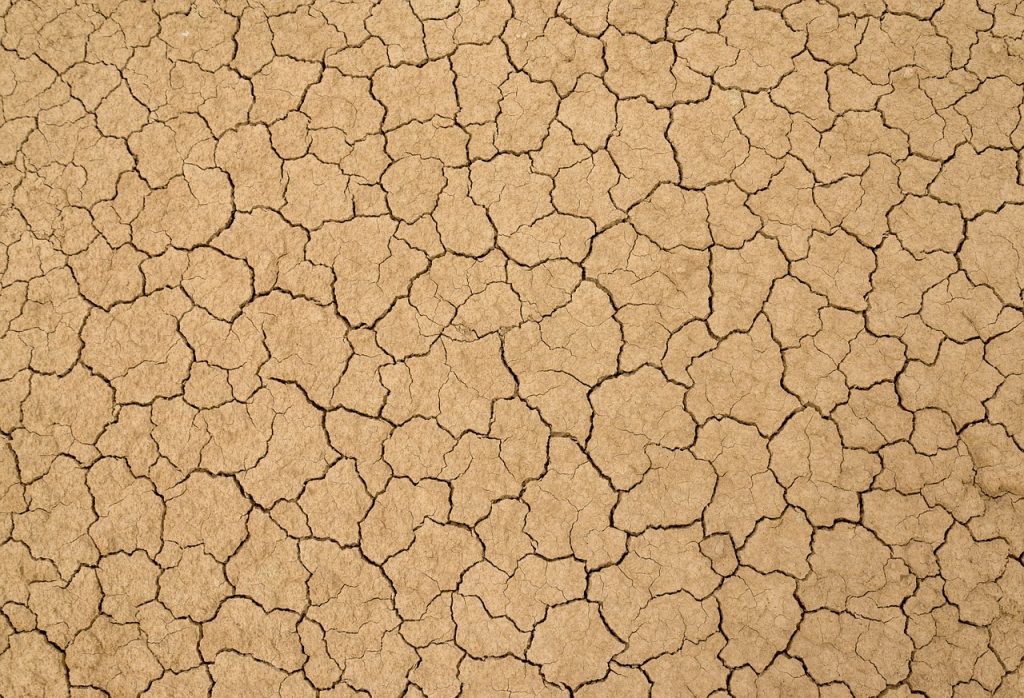
Color: Dark, rich soil often indicates a healthy organic matter level, while pale or gray soil may signal issues.
-
Odor: Healthy soil smells earthy and organic. A strong, unpleasant odor can indicate problems, such as anaerobic bacteria.
Building Healthy Soil
Once you understand your soil’s current condition, you can take steps to improve it. Building healthy soil is quite similar to constructing a strong foundation for a house.
Add Organic Matter
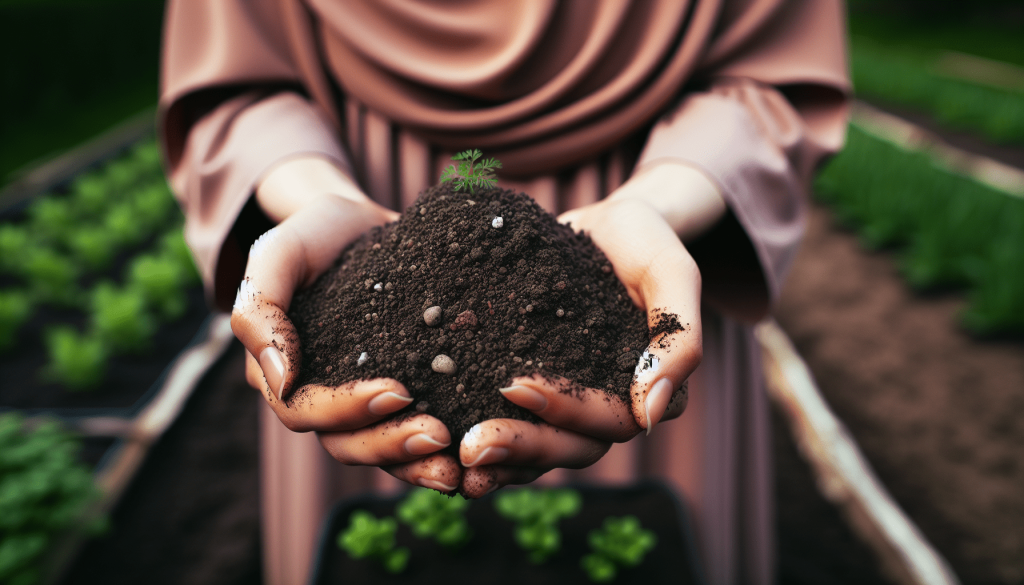
Incorporating organic matter like compost, leaf mold, or well-rotted manure can drastically improve soil health. Here’s how:
-
Compost: Rich in nutrients, it modifies soil structure and enhances moisture retention.
-
Leaf Mold: This is decomposed leaves that increase aeration and water-holding capacity.
-
Manure: When aged properly, animal manure provides excellent nutrients and supports microbial life.
How to Add Organic Matter
-
Top-Dressing: Spread a layer of compost or other organic matter over the soil surface.
-
Tilling: Mix in organic matter into the soil, being cautious not to disturb the soil structure too much.
-
Mulching: Adding organic materials on top of your soil protects against erosion and enhances moisture retention.
Improve Drainage
If your soil tends to retain water, it might lead to root rot and other issues that hinder plant growth.
-
Aeration: Aerating your soil creates spaces for air and water to penetrate deeper. You can use a garden fork to poke holes at intervals.
-
Raised Beds: Building raised beds improves drainage and gives you more control over soil quality.
-
Adding Sand: Mixing coarse sand with clay soils can improve drainage. Just remember, balance is key—too much sand may hinder nutrient retention.
Manage Soil pH
Adjusting your soil’s pH is essential for nutrient availability. Most plants prefer a neutral pH (around 6.5 to 7.0).
- Lime for Acidity: In acidic soils, apply agricultural lime to raise the pH.
- Sulfur for Alkalinity: If your soil is too alkaline, adding elemental sulfur can help balance it out.
Microbial Activity
Healthy soils boast a thriving community of microorganisms. Encouraging this activity should be a priority.
-
Avoid Chemicals: Reduce or eliminate herbicides and pesticides that can harm beneficial soil life.
-
Crop Rotation: Changing the types of plants grown can support a diverse microbial ecosystem.
-
Cover Crops: Planting cover crops during the off-season helps protect and enrich the soil, preventing erosion while improving fertility.
Maintaining Soil Health
Soil health is not a one-time project. Your garden will require ongoing attention to thrive.
Regular Testing
Schedule routine soil testing every 2-3 years. This will help you keep a finger on the pulse of your soil and maintain its health.
Fertilization
Use organic fertilizers that release nutrients slowly, benefiting both your plants and the environment. Always follow your soil test results to determine what your plants actually need.
Erosion Control
Implementing techniques to prevent soil erosion is fundamental, especially on slopes or windy areas.
-
Plant Ground Cover: Dense plantings can shield the soil from erosion.
-
Terracing: Construct terraces on steep slopes to slow down water runoff.
Water Management
Overwatering can harm both your plants and your soil. Adopt practices that preserve moisture while preventing root rot.
-
Drip Irrigation: This method targets the roots directly while minimizing evaporation.
-
Rain Barrels: Collecting rainwater for irrigation not only conserves resources but keeps your garden thriving.
-
Drought-Resistant Plants: Incorporating plants that thrive in your local climate can reduce the need for additional watering.
Conclusion
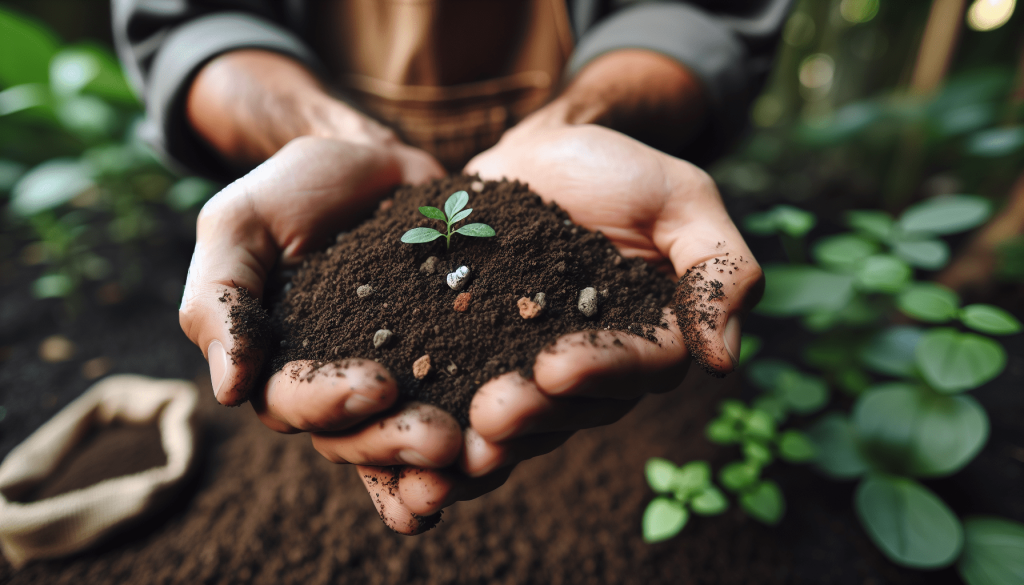
Building soil health is a journey, but it’s one that pays off in the long run. With a little care and attention, you can create a thriving environment for your plants, making your garden the envy of the neighborhood. By focusing on nurturing your soil, you’re not just investing in your garden; you’re prioritizing a healthier planet as well.
As you work your way through these principles, remember to observe, adapt, and enjoy the process. Gardening is as much about the journey as it is about the destination. Happy gardening!