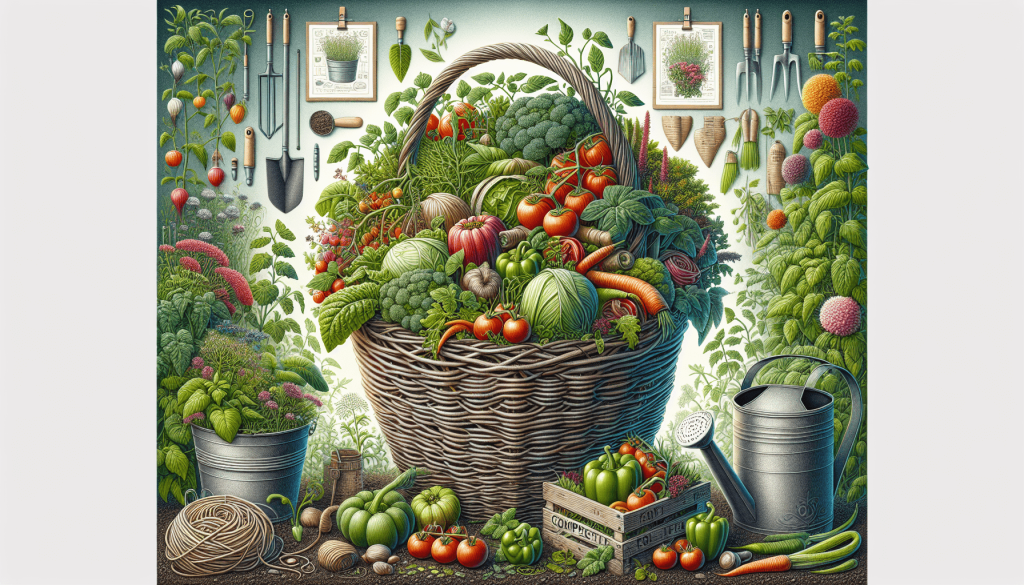

Have you ever thought about how your gardening practices impact the environment? Gardening can be a wonderful way to connect with nature, but it also presents an opportunity to be mindful of our planet. By embracing eco-friendly gardening, you can create a space that not only flourishes but also contributes positively to the environment.
Understanding Eco-Friendly Gardening
Eco-friendly gardening involves sustainable practices that aim to minimize your ecological footprint. This approach encourages you to work in harmony with nature rather than against it. Some principles of eco-friendly gardening include water conservation, soil health, sustainable pest management, and biodiversity. When you integrate these practices into your garden, you help create a healthier planet for everyone.
The Benefits of Eco-Friendly Gardening
You might be wondering why you should consider eco-friendly gardening practices. Here are some great benefits that come with this sustainable approach:
-
Environmental Conservation: By using eco-friendly gardening techniques, you can help protect the environment. Reducing chemical use in your garden minimizes pollution and conserves natural resources.
-
Healthier Plants: Plants grown in healthy soil with natural fertilizers tend to be more resilient and less prone to disease. This means your garden can be more productive with fewer inputs.
-
Cost-Effectiveness: Sustainable practices often lead to long-term savings. For instance, by using rainwater, you can reduce your water bill. Additionally, growing your own herbs and vegetables can save money on groceries.
-
Biodiversity: By encouraging diverse plants and animals in your garden, you create a balanced ecosystem. This diversity can improve pest control naturally and enhance soil health.
-
Personal Satisfaction: There’s a unique joy and fulfillment that comes from knowing you are gardening sustainably. You can take pride in maintaining a garden that contributes positively to the environment.
Key Components of Eco-Friendly Gardening
To effectively practice eco-friendly gardening, it’s beneficial to understand its key components. Below are some essential aspects to consider.
Soil Health
Healthy soil is the foundation of a successful garden. Without it, plants struggle to grow. When tending to your soil, remember the following tips:
-
Composting: You can create rich organic matter by composting kitchen scraps and garden waste. This not only improves soil fertility but also minimizes landfill waste.
-
Mulching: Adding a layer of mulch around your plants helps retain soil moisture, suppress weeds, and gradually enrich the soil as it breaks down.
-
Soil Testing: Regularly testing your soil can inform you about its nutrient content and acidity levels. You can then make amendments as needed to support your plants’ health.
Water Conservation
Water is a precious resource, and conserving it should be a priority. Here are some strategies to help you save water in your garden:
-
Rainwater Harvesting: Collecting rainwater in barrels is an excellent way to water your plants naturally. This method reduces your reliance on municipal water sources.
-
Drip Irrigation: Consider implementing a drip irrigation system. It delivers water directly to the root zone, minimizing evaporation and waste.
-
Native Plants: Incorporating native plants into your garden is a wise choice. They typically require less water and are adapted to your local climate, helping conserve water in the long run.
Organic Pest Management
Preventing pests without resorting to harmful chemicals is fundamental in eco-friendly gardening. Here are some organic pest management practices:
-
Companion Planting: Certain plants can deter pests when planted together. For example, marigolds can help repel nematodes and aphids.
-
Beneficial Insects: Encourage beneficial insects like ladybugs and lacewings that prey on common pests. Planting flowers that attract these helpful friends can enhance your garden’s health.
-
Natural Remedies: Using solutions made from natural ingredients can help control pests. For instance, a mixture of water and dish soap can be effective against aphids.
Biodiversity
Promoting biodiversity in your garden creates a healthy ecosystem. Here’s how you can encourage a variety of life forms:
-
Plant Variety: Grow a diverse range of plants. A mix of flowers, vegetables, and shrubs will support different insect species and pollinators.
-
Habitat Creation: You can create habitats in your garden by leaving some areas wild or adding native plants that attract butterflies, bees, and other wildlife.
-
Avoid Monoculture: Avoid planting only one type of plant over large areas. This practice can lead to pest outbreaks and soil depletion. Instead, practice polyculture for a balanced ecosystem.
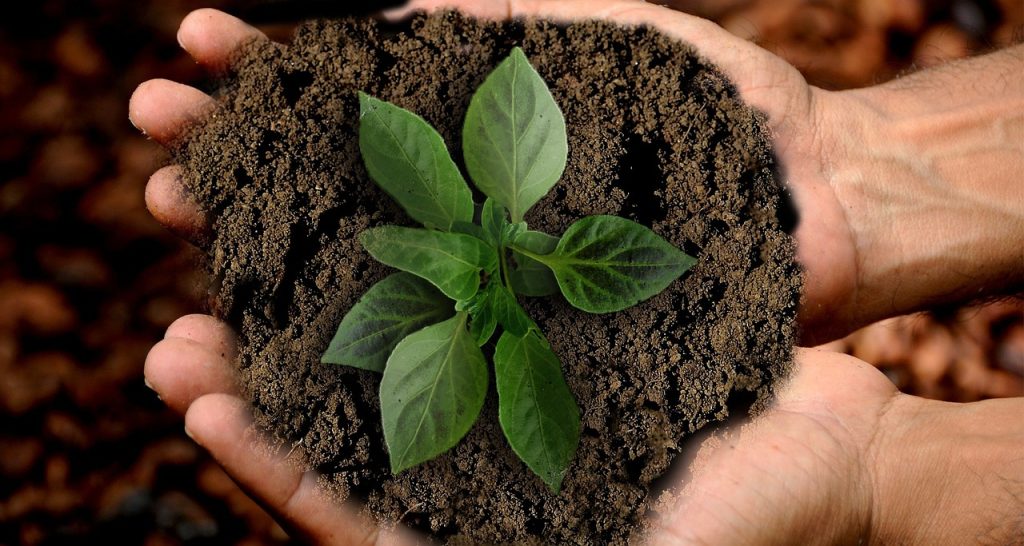
Choosing Eco-Friendly Plants
When selecting plants for your garden, consider those that are not only beautiful but also environmentally friendly. Here are some suggestions:
Native Plants
Native plants are adapted to your location’s climate and soil conditions. They require less water and maintenance and tend to attract local wildlife. Examples include:
| Plant Type | Benefits |
|---|---|
| Coneflowers | Attracts pollinators and thrives in poor soil |
| Black-eyed Susan | Drought-resistant and great for wildlife |
| Milkweed | Essential for monarch butterfly populations |
Perennials vs. Annuals
While annuals provide a burst of color, perennials can be more sustainable. They return year after year without needing replanting. Consider including a mix of both for season-long interest.
Edible Landscaping
Incorporating edible plants into your landscape is a fantastic way to make your garden productive and eco-friendly. You can grow vegetables, herbs, and fruit trees that provide food while adding beauty to your space.
Creating a Sustainable Garden Design
Designing a garden with sustainability in mind can greatly enhance its eco-friendliness. Here are a few design principles to follow:
Permaculture Design
Permaculture is a design philosophy that emphasizes working with nature rather than forcing it. Some key concepts of permaculture include:
- Zoning: Place plants that require more attention closer to your home for easier access.
- Energy Conservation: Design your garden layout to maximize solar energy and wind protection.
- Polyculture: Grow multiple crops in a single area to take advantage of differing plant needs and to promote a diverse ecosystem.
Raised Beds and Vertical Gardening
Using raised beds improves soil drainage and allows for better control over soil quality. Vertical gardening not only saves space but also promotes air circulation, reducing disease risk.

Sustainable Gardening Tools and Supplies
Choosing eco-friendly tools and supplies can further enhance your sustainable garden. Here are a few suggestions:
Eco-Friendly Tools
Look for gardening tools made from sustainable materials, such as:
- Recycled Metals: Tools like shovels and rakes can be made from recycled materials, reducing the demand for new metals.
- Wood: Tools crafted from sustainably harvested wood are a great natural alternative.
Organic Fertilizers and Pesticides
Whenever possible, opt for organic fertilizers and pesticides. Some options include:
| Type | Description |
|---|---|
| Bone Meal | High in phosphorus and great for root growth |
| Neem Oil | Natural insect repellent and mild fungicide |
| Fish Emulsion | Offers a balanced nutrient source |
Community Engagement
Getting involved in your local gardening community can amplify your eco-friendly gardening efforts. Consider the following:
Community Gardens
Participating in or starting a community garden is a wonderful way to connect with your neighbors while growing sustainable food. Sharing resources and knowledge helps everyone improve their gardening practices.
Workshops and Groups
Find workshops or gardening clubs in your area that focus on sustainable practices. Learning from others and sharing experiences can inspire new ideas and foster collaboration.

Embracing Seasonal Practices
Gardening is a year-round activity, and adjusting your practices with the seasons can enhance your eco-friendly approach. Here’s how to embrace seasonal changes:
Spring: Planting and Soil Preparation
During spring, focus on the following:
- Soil Testing and Amendments: Test and amend your soil with compost and organic fertilizers as needed.
- Direct Sowing: Opt for direct sowing of seeds for vegetables and flowers to minimize transplant shock and resource use.
Summer: Maintenance and Pest Control
In the summer months, it’s all about maintenance. Here are some tips:
- Mulch: Continue adding mulch to retain moisture.
- Regular Monitoring: Check for pests and diseases regularly. Catching issues early can prevent larger problems down the road.
Fall: Harvesting and Cleanup
As the growing season winds down, consider the following:
- Sustainable Harvesting: Harvest fruits and vegetables mindfully, ensuring you leave enough for future growth.
- Fall Cleanup: Instead of raking leaves, use them as mulch or add them to your compost pile.
Winter: Planning for Next Year
Use the winter months for planning:
- Design Your Garden: Sketch out your garden plans for next year, incorporating what you learned this season.
- Research: Use this time to research new sustainable techniques, plants, and tools.
Final Thoughts
Gardening is more than just a hobby; it’s an opportunity to nurture the environment and create positive change. By implementing eco-friendly practices, you can enjoy the beauty of your garden while contributing to the health of the planet. Whether you are an experienced gardener or a novice, sustainable gardening is accessible to everyone. The small changes you make today can lead to significant environmental benefits tomorrow.
As you embark on this journey, remember that every little effort counts. Start with one or two eco-friendly practices and gradually integrate more into your routine. Happy gardening!