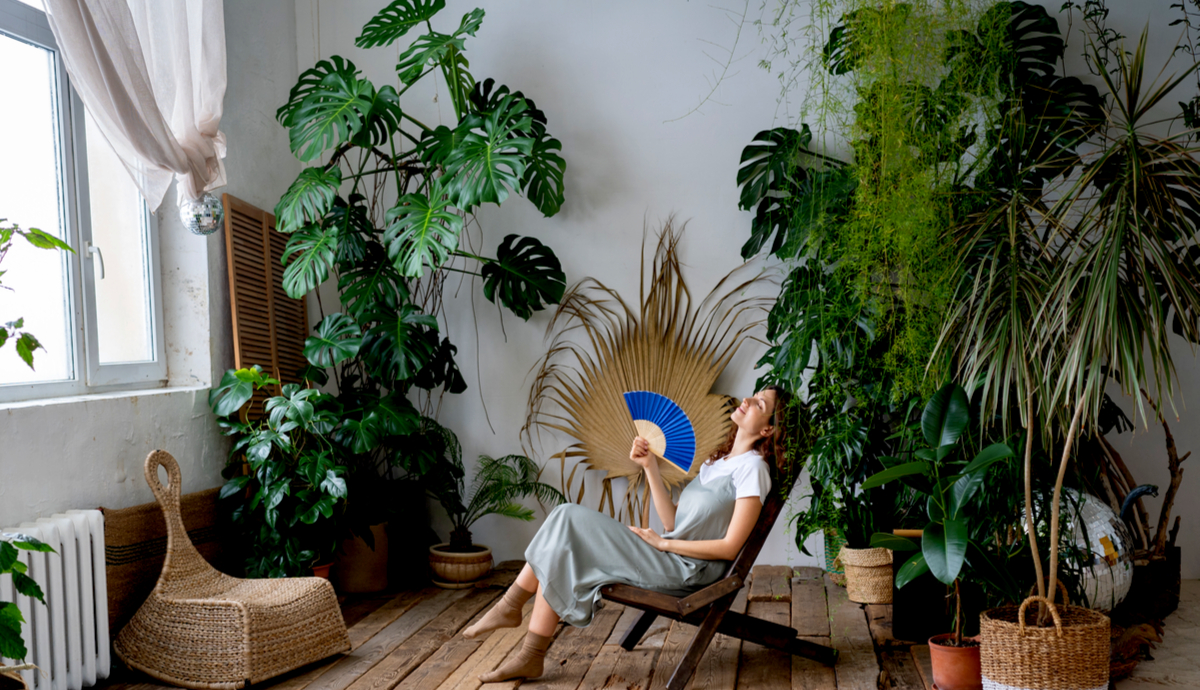
Have you ever thought about bringing a slice of nature into your home? An indoor garden can transform your living space, improve your mood, and even purify the air. Whether you’re a seasoned gardener or just starting, this guide will walk you through the essential steps to create a thriving indoor garden that flourishes year-round.
Understanding Indoor Gardening
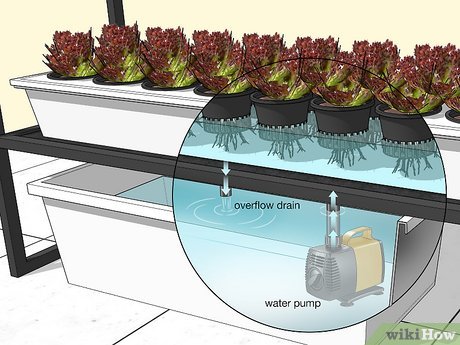
Indoor gardening involves cultivating plants inside your home. From herbs and flowers to leafy greens and succulents, the types of plants you can grow indoors are vast. It’s not just about aesthetics; having plants in your home can have significant benefits for your mental and physical well-being.
Benefits of Indoor Gardening
Creating an indoor garden has numerous advantages:
- Air Quality Improvement: Plants absorb carbon dioxide and release oxygen, helping to purify the air.
- Stress Reduction: Engaging in gardening activities can lower stress levels and promote relaxation.
- Aesthetic Appeal: Greenery enhances the visual appeal of your home, making it feel more inviting.
- Food Security: Growing your herbs and vegetables can supplement your grocery shopping, ensuring you have fresh produce on hand.
Table 1: Benefits of Indoor Gardening
| Benefit | Description |
|---|---|
| Air Quality | Improves indoor air quality, filtering pollutants |
| Stress Relief | Gardening helps reduce stress and increases mindfulness |
| Aesthetics | Enhances the beauty of your home |
| Fresh Produce | Provides access to fresh herbs and vegetables |
Choosing the Right Space
Finding the perfect spot for your indoor garden is crucial. The location will determine the types of plants you can grow successfully.
Assessing Light Conditions
Light is one of the most vital components for indoor gardening. Different plants require varying amounts of light, so you need to assess your available light sources.
- Bright, Direct Light: Areas like south-facing windows are great for sun-loving plants.
- Moderate Light: East or west-facing windows provide gentle light suitable for many indoor plants.
- Low Light: North-facing windows or rooms with little natural light can sustain low-light plants.
Table 2: Plant Light Requirements
| Light Condition | Suitable Plants |
|---|---|
| Bright, Direct | Succulents, Citrus, Fiddle Leaf Fig |
| Moderate | Snake Plant, Peace Lily, Spider Plant |
| Low Light | Pothos, ZZ Plant, Cast Iron Plant |
Temperature and Humidity
Keep in mind that most houseplants thrive in a temperature range of 65°F to 75°F. Be mindful of drafts and sudden temperature changes from heating and cooling systems. Additionally, indoor air can be dryer than outdoor settings, particularly during the winter. You might want to consider using a humidifier or placing a tray of water near your plants to maintain adequate humidity levels.
Selecting the Right Plants
Now that you’ve determined where your garden will be, it’s time to choose the right plants. Selecting plants that match your light conditions, available space, and your gardening skills is essential.
Beginner-Friendly Plants
If you’re new to indoor gardening, start with plants that are easy to care for. Here are some great options:
- Pothos: Almost impossible to kill and thrives in various light conditions.
- Snake Plant: Low water needs and tolerates neglect.
- Spider Plant: Great air purifier and produces “baby” plants.
Herbs and Edibles
Growing herbs and edible plants is rewarding and adds freshness to your cooking. Consider planting:
- Basil: Prefers sunny locations and is perfect for Italian dishes.
- Mint: Grows vigorously and adds flavor to drinks and desserts.
- Lettuce: Fast-growing and provides fresh salads at your fingertips.
Table 3: Beginner Plants and Edible Options
| Type | Ideal Conditions | Maintenance Level |
|---|---|---|
| Pothos | Low to bright indirect light | Very easy |
| Snake Plant | Low to bright light, low water | Very easy |
| Basil | Bright light, moderate water | Moderate |
| Lettuce | Bright light, consistent moisture | Moderate |
Gathering Supplies
Before you start planting, gather the necessary supplies. Here’s a list of essential items you’ll need:
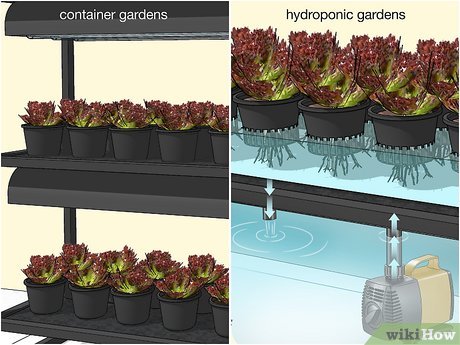
- Containers: Choose pots with drainage holes to prevent water from accumulating.Consider decorative pots to match your interior.
- Potting Soil: A high-quality potting mix tailored to your plant type ensures optimal growth.
- Watering Can: A small can with a spout allows for easy watering without overdoing it.
- Fertilizers: Depending on the plants, you may need specific fertilizers; read instructions carefully.

Planting Techniques
Once you have everything ready, it’s time to get your hands dirty. Here are some basic planting techniques to ensure a successful start.
Potting Your Plants
- Choose Your Pot: Select a pot size that accommodates your plant’s root system.
- Add Potting Mix: Fill the pot partially with potting mix. Tap down lightly to eliminate air pockets.
- Position the Plant: Carefully remove your plant from its nursery pot and place it in the center of the new pot.
- Fill with Soil: Surround the roots with additional potting mix and gently tap down. Leave about an inch between the soil and the pot’s rim.
- Water Immediately: Water the plant thoroughly to settle the soil around the roots.
Watering
Watering techniques can vary by plant type, but here are some general tips:
- Check Moisture: Stick your finger about an inch into the soil; if it’s dry, it’s time to water.
- Deep Watering: Water until it drains out of the bottom, ensuring moisture reaches the root system.
- Avoid Overwatering: Too much water can lead to root rot. Better to underwater than overwater!
Pruning and Maintenance
Regular maintenance is key to keeping your indoor garden healthy. Here are a few simple practices to consider:
- Remove Dead Leaves: Regularly cut off any yellowing or dead leaves to stimulate new growth.
- Rotate Plants: Turn pots occasionally to ensure even growth since plants tend to lean toward the light source.
- Repot When Necessary: If your plant outgrows its pot, transfer it to a larger one to sustain growth.
Providing Proper Lighting
Another critical aspect of indoor gardening is ensuring your plants receive adequate light. Here are some options:
Natural Light
Whenever possible, utilize natural light. Positioning your plants near windows will significantly aid their growth. Keep an eye on their condition and rotate them as needed to receive even light exposure.
Grow Lights
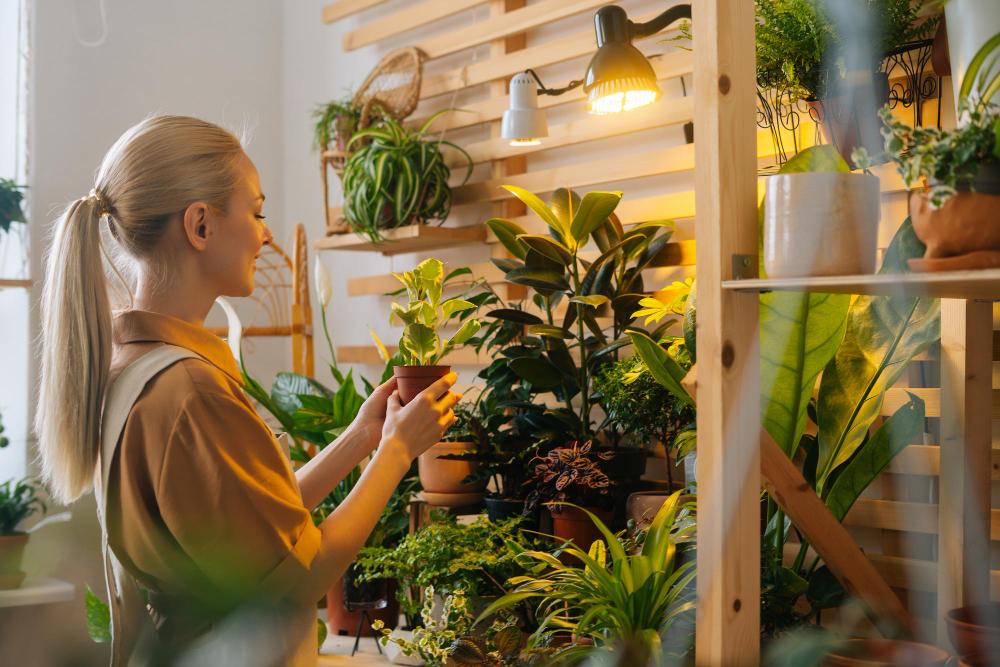
If natural light is limited, consider using grow lights. These artificial lights simulate the sun and can be adjusted based on your plants’ needs.
- LED Grow Lights: Energy-efficient and provide the necessary light spectrum for growth.
- Fluorescent Lights: Cost-effective and ideal for herbs and leafy greens.
Understanding Watering Needs
Watering is a crucial part of maintaining a healthy indoor garden. Different plants require different amounts of water, so it’s essential to know your plants’ specific needs.
Signs of Underwatering
If your plants are underwatered, they may show signs like:
- Dry soil
- Wilting leaves
- Brown leaf edges
Signs of Overwatering
On the flip side, overwatered plants may exhibit:
- Yellow, drooping leaves
- Root rot, which you can identify by mushy roots
- Foul odor from the soil
Table 4: Watering Frequency by Plant Type
| Plant Type | Watering Frequency |
|---|---|
| Succulents | Every 2-3 weeks |
| Snake Plant | Every 2-4 weeks |
| Herbs | Once a week, more during hot weather |
| Leafy Greens | 1-2 times a week |
Fertilizing Your Indoor Garden
Fertilizing is essential to support plant growth during their active growing season. Here’s what you need to know.
When to Fertilize
Most indoor plants benefit from fertilization during spring and summer when they are actively growing. Cut back or reduce frequency during fall and winter when their growth slows.
Types of Fertilizers
- Liquid Fertilizers: Quick-absorbing and easy to apply, ideal for rapid growth.
- Slow-Release Fertilizers: Gradually release nutrients, ideal for maintaining steady growth over time.
How to Apply Fertilizer
- Follow Instructions: Always read the label for mixing ratios and application frequency.
- Water After Application: Ensure to water after applying fertilizer to prevent root burn and to help the soil absorb nutrients.
Pest Management
Indoor plants can face pest problems, but with careful observation, you can catch issues early.
Common Indoor Plant Pests
- Spider Mites: Tiny pests that create fine webs.
- Mealybugs: White, cottony clusters that appear on stems and leaves.
- Aphids: Small, sap-sucking insects that can accumulate on new growth.
Prevention and Treatment
- Regular Inspections: Frequently check for signs of pests or damage.
- Neem Oil: A natural pesticide that can help control many common pests.
- Insecticidal Soap: Effective against soft-bodied insects; apply as directed.
Enhancing Humidity
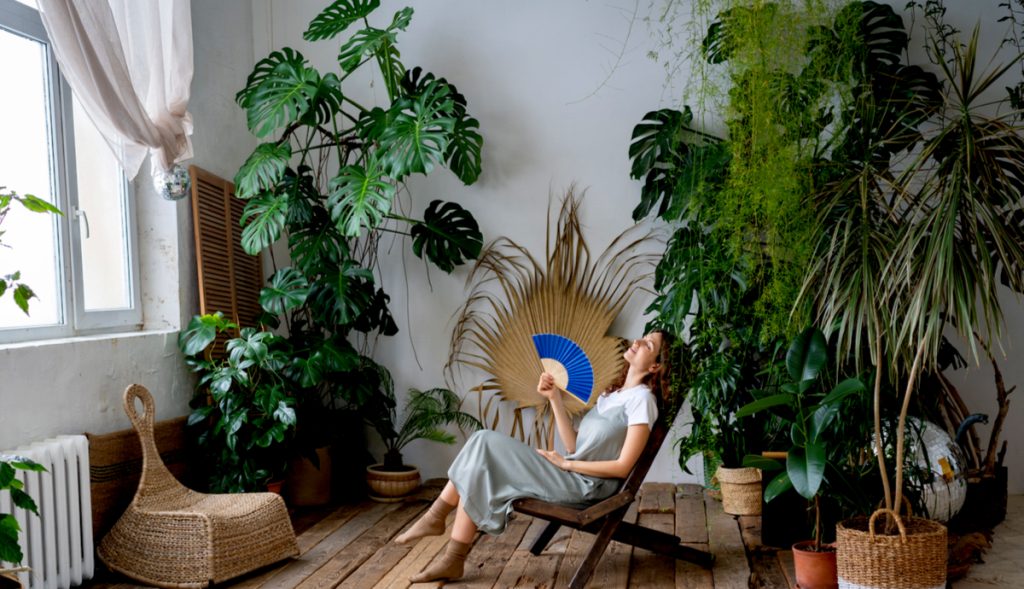
Most indoor plants enjoy humidity levels of 40-60%. If your environment is particularly dry, here’s how you can boost humidity:
Humidity Trays
Fill trays with pebbles and add water. Place your plant pots on top; this helps maintain adequate moisture levels.
Grouping Plants
Placing plants close together can create a microclimate with increased humidity.
Misting
Lightly misting your plants can help improve humidity, but be cautious not to overdo it.
Seasonal Care Tips
Your indoor garden requires different care during the changing seasons. Keep these tips in mind:
Summer Care
- Monitor for signs of stress due to heat.
- Consider moving plants away from harsh afternoon sun.
- Increase watering frequency as evaporation rates rise.
Winter Care
- Reduce watering as most plants enter dormancy.
- Ensure they still receive adequate light, especially shorter days.
- Be vigilant against drafts from windows and doors.
Seasonal Pest Alert
As the seasons change, pests can migrate indoors. Regular inspections become increasingly essential.
Overcoming Common Challenges
You may encounter several challenges while gardening indoors. Understanding these obstacles prepares you to deal with them effectively.
Lack of Light
If your plants aren’t getting enough light, consider moving them closer to windows or investing in grow lights.
Overwatering
This can be a nagging issue for many indoor gardeners. Always ensure proper drainage in pots and adjust watering frequency based on each plant’s needs.
Underwatering
Establish a regular watering schedule based on visual cues to prevent plants from drying out.
Soil Issues
Poor soil can hinder growth. Always use high-quality potting mixes that fit the plants you’re growing.
Connecting with Your Indoor Garden
Creating an indoor garden is more than just growing plants; it’s about fostering a connection with nature. Here are some ways to deepen your relationship with your indoor garden:
Journaling Your Progress
Keep a journal of your gardening journey. Note changes, growth patterns, and experiences. This can not only help track progress, but also bring you joy.
Sharing Greenery
Consider sharing cuttings or excess plants with friends and family. It’s a great way to bond over gardening and spread the love of plants.
Joining a Community
Look for local gardening clubs or online communities. Sharing knowledge and experiences with fellow plant lovers can be highly rewarding.
Conclusion
Cultivating a thriving indoor garden is a wonderful way to bring life into your home while improving your well-being. With careful planning, a bit of patience, and the right tools, you can create a lush, green sanctuary that you can enjoy all year round. Whether you’re nurturing herbs for delicious meals or beautifying your space with vibrant blooms, indoor gardening offers countless benefits. Happy planting!